7 Medical Office Cleaning Mistakes That Increase Infection Risk

7 Common Medical Office Cleaning Mistakes That Can Increase Infection Risks

Medical offices require a higher level of cleaning and disinfection than many commercial spaces. Because patients, visitors, and staff frequently share rooms and touch common surfaces, proper medical office sanitation is essential to maintaining a clean environment.

Common cleaning mistakes, such as overlooking high-touch areas, using products incorrectly, or following inconsistent cleaning routines, can weaken infection control in medical offices. Proper cleaning procedures can help support infection prevention in healthcare facilities.

Professional medical office cleaning services in Knoxville can provide trained cleaning teams and consistent procedures to maintain healthcare environments. At Cherokee Cleaning Company, we provide affordable cleaning solutions tailored to the needs of medical and commercial facilities.

Why Proper Medical Office Cleaning Matters

Medical offices experience continuous movement throughout the day. Patients enter reception areas, sit in waiting rooms, use restrooms, visit examination rooms, and interact with staff and shared equipment. Because many people may touch the same surfaces, routine cleaning must be consistent and methodical.

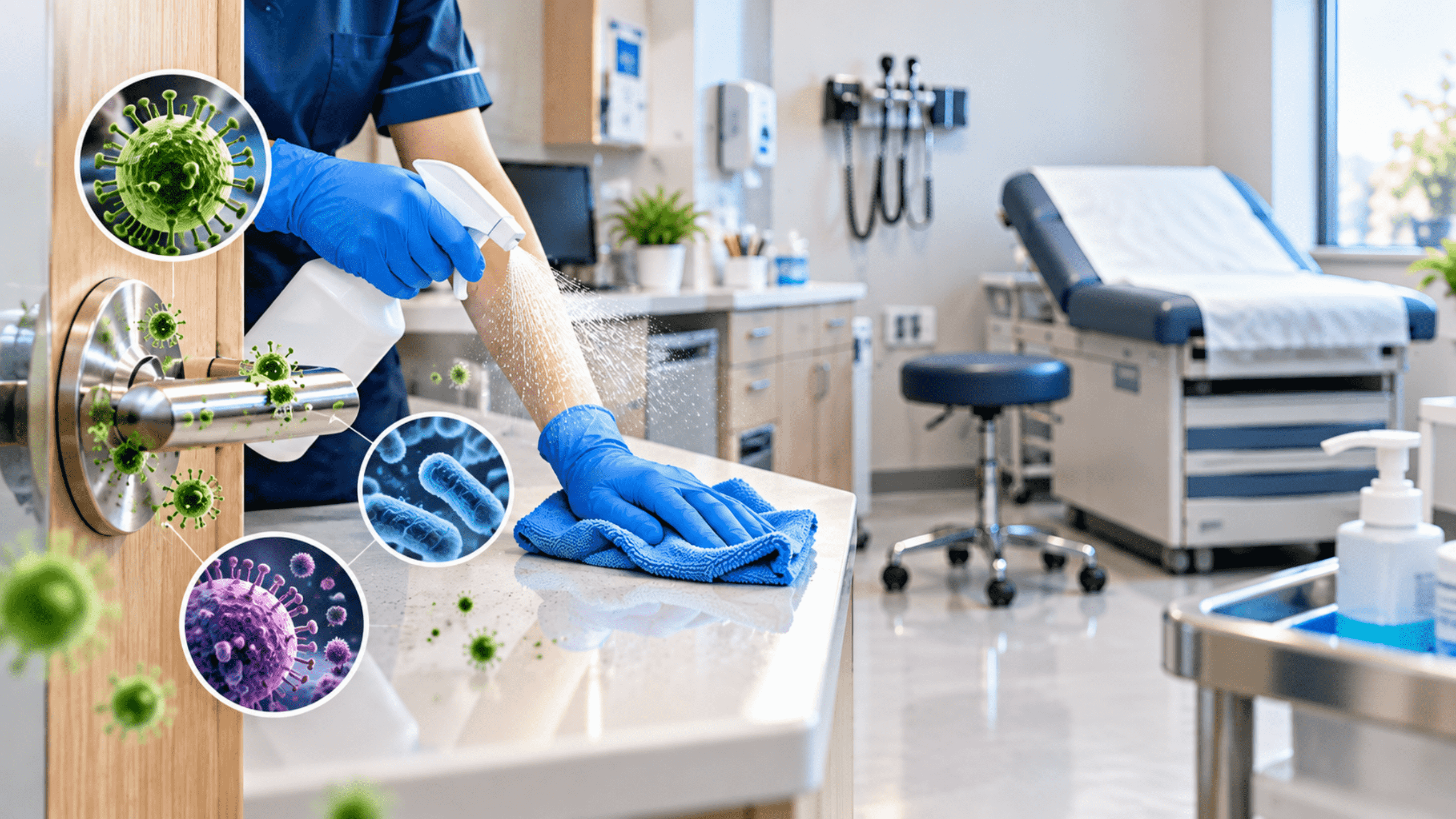
Waiting room chairs, reception counters, door handles, examination tables, faucets, light switches, and frequently handled equipment can require regular attention. Simply making an office appear clean does not necessarily provide effective medical office disinfection. Cleaning removes dirt and organic material, while disinfection uses appropriate products and procedures to reduce harmful microorganisms on surfaces.

Strong cleaning procedures form an important part of broader infection control in medical offices. By combining appropriate cleaning methods with consistent schedules, staff training, and documented procedures, we can support infection prevention in healthcare environments while maintaining a professional setting for patients and employees.

Cleaning vs. Sanitizing vs. Disinfecting

Cleaning involves physically removing dirt, dust, debris, and organic material from surfaces. It is an essential first step because soil and debris can interfere with the effectiveness of some disinfecting processes.

Sanitizing reduces microorganisms on surfaces to levels considered safer according to applicable standards or product directions. It is not necessarily intended to eliminate all microorganisms.

Disinfecting involves using an appropriate chemical product and application procedure to destroy or inactivate many harmful microorganisms on surfaces. Proper product selection, application, and required contact time are important for effective disinfection.

7 Common Medical Office Cleaning Mistakes

Avoiding common medical office cleaning mistakes requires consistent procedures, suitable products, proper cleaning techniques, trained personnel, and attention to both visible and overlooked surfaces.

1. Cleaning High-Touch Surfaces Too Infrequently

One of the most common medical office cleaning mistakes is failing to clean frequently touched surfaces often enough. These surfaces may be handled repeatedly by patients, visitors, healthcare workers, and administrative staff throughout the day.

Common examples include:

  • Door handles and knobs
  • Light switches
  • Reception counters
  • Waiting room chairs and armrests
  • Examination tables
  • Faucet handles
  • Shared keyboards and devices
  • Medical equipment controls
  • Cabinet and drawer handles
  • Phones and other shared office equipment

A surface does not have to look dirty to require attention. High-touch areas can accumulate contamination through repeated contact even when they appear visually clean.

Effective medical office sanitation should identify high-touch surfaces and establish appropriate cleaning frequencies based on patient volume, room usage, and facility requirements. We can use room-specific checklists to ensure these areas receive consistent attention rather than relying only on visual inspections.

2. Using the Wrong Cleaning or Disinfecting Products

Not every cleaning product is appropriate for use in a healthcare environment. Selecting a product simply because it claims to clean a surface may not provide the level of disinfection required for a particular setting.

We should select cleaning and disinfecting products according to manufacturer instructions, facility requirements, surface compatibility, and the intended application. Product labels provide important information about dilution, application methods, required contact time, storage, and safety precautions.

Incorrect dilution can affect product performance, while wiping a disinfectant away before the required contact time may prevent it from working as intended. Using products on incompatible surfaces can also cause damage.

Proper medical office disinfection requires more than having disinfectants available. Cleaning personnel need to understand how and where products should be used, how long surfaces must remain appropriately wet when required, and what precautions should be followed during application. These practices support stronger infection control in medical offices.

3. Cleaning in the Wrong Order

Cleaning technique matters just as much as cleaning frequency. An ineffective sequence can move contaminants from one area to another rather than systematically removing them.

We generally work from cleaner areas toward areas that are more contaminated and from higher surfaces toward lower surfaces. This approach helps prevent debris and contaminants from falling onto areas that have already been cleaned.

Cleaning personnel should also use appropriate tools for different areas and avoid transferring the same materials between patient spaces without proper management. Equipment and supplies used in one room should not automatically be reused in another room if doing so could contribute to cross-contamination.

Why Cleaning Order Matters for Infection Prevention

A systematic cleaning sequence supports infection prevention in healthcare by reducing unnecessary movement of contaminants. When cleaning procedures are standardized, staff can follow the same process consistently rather than relying on individual habits.

This becomes especially important when multiple examination rooms, treatment spaces, restrooms, and shared areas must be cleaned during the same service period.

4. Reusing Cleaning Cloths and Equipment Without Proper Management

Using the same cleaning cloth, mop head, or other material across multiple areas without appropriate management can create cross-contamination concerns. A material that has already been used on one surface may transfer contaminants to another surface if it is reused incorrectly.

We should establish procedures for changing, laundering, disposing of, and storing cleaning materials. Depending on the facility and task, dedicated materials may be appropriate for particular rooms or surfaces.

Mop heads and reusable cloths should be handled according to established procedures rather than being repeatedly reused throughout the facility. Cleaning equipment should also be stored in a way that prevents clean materials from becoming contaminated.

A professional medical facility cleaning service can help establish structured equipment-management procedures so cleaning personnel understand when supplies need to be replaced, cleaned, laundered, or discarded.

5. Ignoring Less Obvious High-Touch Areas

Visible dirt often attracts attention, but many important touchpoints may look completely clean. Phones, keyboards, drawer handles, push plates, armrests, and medical equipment controls can be overlooked during routine cleaning.

Examples of less obvious touchpoints include:

  • Computer keyboards
  • Phones
  • Door push plates
  • Drawer handles
  • Cabinet handles
  • Chair armrests
  • Equipment controls
  • Waiting room tables
  • Shared pens and touchscreens
  • Faucet handles

A detailed cleaning checklist helps prevent these areas from being forgotten. We can identify surfaces according to how frequently they are touched and how they are used within each room.

Instead of focusing only on visible appearance, an effective cleaning program considers how people interact with the environment. This approach creates a more comprehensive sanitation routine.

6. Failing to Follow a Consistent Cleaning Schedule

Inconsistent cleaning can leave frequently touched surfaces untreated for longer than intended. A medical office may have different requirements for reception areas, restrooms, examination rooms, treatment spaces, staff areas, and other locations.

Cleaning frequencies should reflect room usage, patient volume, surface type, and facility procedures. High-traffic areas may require more frequent attention than spaces that are rarely occupied.

A documented schedule should clearly establish what needs to be cleaned, how often it should be cleaned, which procedures should be followed, and who is responsible for each task.

For facilities searching for medical office cleaning services near me, working with a professional provider can be a practical option when maintaining an internal cleaning schedule becomes difficult. Local cleaning providers can help facilities establish recurring service routines that align with their operational needs.

7. Overlooking Staff Training and Infection-Control Procedures

Even a detailed cleaning plan can be ineffective if cleaning personnel do not understand the procedures they are expected to follow. Training should address cleaning techniques, product handling, PPE requirements, cross-contamination prevention, equipment management, and product labels.

Personnel should understand the difference between cleaning and disinfection and recognize the importance of following manufacturer instructions. Where a product requires a specific contact time, staff should know how that requirement affects the cleaning process.

Regular quality checks can also help identify missed areas or inconsistent practices. Refresher training can be useful when procedures, products, equipment, or facility requirements change.

Strong training is therefore an important part of infection control in medical offices. Consistent procedures become easier to maintain when every member of the cleaning team understands the same standards.

Interesting Read: How Do Medical Office Cleaning Services Help Reduce Infection Spread in Hospitals?

How to Improve Medical Office Sanitation and Disinfection

Improving medical office sanitation begins with creating clear, repeatable procedures. We can establish room-specific protocols that identify surfaces, cleaning methods, products, and required frequencies.

A practical approach includes:

  1. Create room-specific cleaning protocols for waiting rooms, examination rooms, restrooms, treatment areas, and other spaces.
  2. Identify high-touch surfaces and establish appropriate cleaning intervals.
  3. Follow manufacturer instructions for every cleaning and disinfecting product.
  4. Use dedicated cleaning materials where appropriate to help reduce cross-contamination.
  5. Establish documented cleaning frequencies based on room usage and patient traffic.
  6. Train cleaning personnel in chemical handling, PPE, cleaning techniques, and infection-control practices.
  7. Maintain cleaning logs to document completed tasks and identify missed services.
  8. Perform regular quality inspections to verify that established procedures are being followed.
  9. Review procedures periodically when patient volume, facility layout, equipment, or operational needs change.

Build a Consistent Infection Prevention Routine

A consistent routine helps make cleaning less dependent on individual memory or judgment. We can use checklists, schedules, training, inspections, and documentation to create repeatable procedures.

When these elements work together, cleaning personnel have clear expectations for maintaining patient-facing areas and frequently touched surfaces. Consistency can support a cleaner environment for patients, visitors, healthcare professionals, and administrative staff.

Interesting Read: Top 5 Simple Tips for Keeping Your Medical Office Clean and Healthy

When Should a Medical Office Consider Professional Cleaning Services?

A medical office may benefit from professional cleaning support when patient volume is high, multiple examination or treatment rooms require attention, or in-house personnel cannot maintain a consistent schedule.

Professional support can also be useful when a facility needs detailed cleaning records, specialized healthcare cleaning procedures, or additional quality-control processes.

A reliable medical office cleaning company can help establish recurring cleaning routines while allowing healthcare personnel to focus on their primary responsibilities. Facilities may also compare different medical office cleaning companies to find a provider with appropriate healthcare experience, trained personnel, and flexible scheduling.

For larger or more specialized facilities, commercial medical cleaning services can provide structured support for multiple areas and recurring cleaning requirements. Property management cleaning services can also help property managers maintain clean, safe, and well-maintained medical facilities by coordinating routine cleaning schedules, common-area maintenance, and facility-specific cleaning needs.

Choosing the Right Medical Office Cleaning Company in Knoxville

Selecting the right provider requires more than comparing prices. A medical office cleaning company should understand the specific demands of healthcare environments and provide consistent procedures that support sanitation and disinfection.

When evaluating a provider, we recommend considering:

  • Experience with healthcare environments
  • Training provided to cleaning professionals
  • Detailed cleaning and disinfection procedures
  • Consistent service schedules
  • Appropriate cleaning products and equipment
  • Quality-control and inspection processes
  • Flexible service options
  • Clear communication and documentation
  • Understanding of healthcare-specific cleaning requirements

A medical office cleaning company in Knoxville should be able to explain how its cleaning procedures address frequently touched surfaces, patient areas, restrooms, examination rooms, and other facility spaces.

Facilities searching for medical office cleaning services in Knoxville should also ask how schedules are developed and how completed work is monitored. A provider offering medical office cleaning should be prepared to adapt its service approach to the facility’s size, patient volume, room usage, and operational requirements.

How Cherokee Cleaning Company Supports Cleaner Medical Offices

Cherokee Cleaning Company provides professional cleaning services in Knoxville, TN, with support to help medical and commercial facilities maintain consistent cleaning routines. We focus on dependable service, careful attention to frequently touched areas, and structured cleaning procedures.

Medical offices can benefit from customized schedules that account for patient traffic, room usage, and facility requirements. We can also pay attention to commonly overlooked areas that may be missed during basic cleaning routines.

Our approach emphasizes consistency in sanitation and disinfection while helping facilities maintain a professional and orderly environment. By using established procedures and reliable scheduling, we help medical facilities maintain cleaning routines that support their broader infection-control practices.

For facilities seeking a dependable medical office cleaning service, professional cleaning support can make it easier to maintain consistent standards across patient-facing and staff areas.

Medical Office Cleaning Mistakes: Quick Checklist

A practical medical office cleaning checklist helps identify common mistakes and establish better practices for high-touch surfaces, disinfectant use, cleaning sequences, supplies, schedules, and staff training.


Cleaning Mistake Better Practice
Infrequent high-touch cleaning Establish regular cleaning intervals
Wrong disinfectant Follow product and facility requirements
Poor cleaning sequence Clean systematically
Reusing contaminated materials Use properly managed cleaning supplies
Ignoring hidden touchpoints Include them in cleaning checklists
Inconsistent schedules Maintain documented routines
Limited staff training Provide ongoing training and quality checks


Also Read: Building Cleaning Services Checklist

Keep Your Medical Office Cleaner and Better Prepared

Avoiding common cleaning mistakes is an important part of maintaining a clean and professionally managed medical environment. Consistent medical office sanitation, appropriate disinfection procedures, careful cleaning techniques, staff training, and documented schedules can help support broader infection-control practices. When internal resources are limited, professional cleaning support can provide the consistency needed across waiting rooms, examination areas, restrooms, treatment spaces, and high-touch surfaces.

Cherokee Cleaning Company is ready to support medical offices with dependable professional cleaning services in Knoxville. Contact Cherokee Cleaning Company at (865) 257-9854 to discuss your medical office cleaning needs.

FAQs About Medical Office Cleaning

How often should a medical office be cleaned?

Cleaning frequency depends on patient traffic, room usage, surface type, facility procedures, and the specific needs of the medical office. High-touch and frequently used areas generally require more consistent attention than low-traffic spaces.

What is the difference between medical office cleaning and regular commercial cleaning?

Medical office cleaning requires attention to healthcare-specific sanitation, disinfection, cross-contamination prevention, cleaning sequences, and product procedures. General commercial cleaning may not address the same healthcare-related requirements.

Why is disinfection important in a medical office?

Disinfection helps reduce harmful microorganisms on appropriate surfaces when the correct products and procedures are used. It is an important component of broader cleaning and infection-control practices within healthcare environments.

What surfaces should be cleaned most frequently in a medical office?

High-touch surfaces can include door handles, light switches, reception counters, chair armrests, examination tables, faucet handles, shared equipment, keyboards, phones, and frequently handled medical equipment controls.

Can improper cleaning increase infection risks?

Improper cleaning practices can contribute to cross-contamination or leave frequently touched surfaces inadequately treated. Using the wrong products, incorrect procedures, poor cleaning sequences, or inconsistent schedules can reduce cleaning effectiveness.

What should I look for in a medical office cleaning company?

Look for healthcare cleaning experience, trained personnel, documented procedures, appropriate products and equipment, consistent scheduling, quality inspections, clear communication, and an understanding of healthcare-specific cleaning requirements.

Do medical offices need specialized cleaning services?

The appropriate level of cleaning depends on the facility and its operations. Medical offices can benefit from providers familiar with healthcare environments, particularly when they need consistent disinfection procedures, detailed schedules, trained personnel, and quality-control processes.

How can professional cleaning services support infection prevention in healthcare?

Professional cleaning services can support established infection-control routines through consistent cleaning schedules, trained personnel, appropriate products, detailed checklists, high-touch surface cleaning, equipment management, and quality inspections.
Medical Office Cleaning Company

How Do Medical Office Cleaning Services Help Reduce Infection Spread in Hospitals?

Hospitals and medical offices are environments where cleanliness isn’t just a matter of appearance it’s a matter of patient safety. Every day, hundreds of people move through waiting rooms, exam areas, operating spaces, restrooms, and staff workstations. With so much foot traffic and constant patient interaction, germs can spread rapidly if facilities aren’t cleaned properly. That’s where professional medical office cleaning services play an essential role.

In this guide, we’ll explore what medical cleaning really involves, how it helps prevent infections, what professionals do differently, and how medical facilities in Tennessee especially those seeking commercial cleaning services in Knoxville can benefit from partnering with experts like Cherokee Cleaning Company.


What Are Medical Office Cleaning Services?

Medical office cleaning services involve specialized cleaning, disinfecting, and sanitizing practices tailored specifically for healthcare environments. Unlike routine commercial cleaning, this type of service follows strict healthcare protocols designed to protect patients, staff, and visitors from harmful pathogens.

Medical cleaning typically includes:

  • Using EPA-approved disinfectants

  • Following CDC and OSHA guidelines

  • Cleaning high-touch surfaces multiple times daily

  • Proper disposal of biohazard waste

  • Preventing cross-contamination between rooms or departments

Because hospitals treat individuals with weakened immune systems, contagious conditions, and open wounds, cleaning is part of their infection control strategy not just routine maintenance.

Why Infection Control Matters and Who Benefits Most

Healthcare-associated infections (HAIs) are a major concern in hospitals and clinics. They happen when a patient receives treatment but ends up contracting an infection while inside the facility. Proper cleaning is one of the best defenses against this.

Benefits of professional medical office cleaning services include:

  • Safer environments for patients with vulnerable immune systems

  • Reduced infection risk for healthcare workers

  • Healthier waiting areas for visitors and families

  • Consistent compliance with public health regulations

Hospitals, urgent care centers, dental offices, pediatric clinics, labs, and outpatient surgical centers are among the facilities that benefit most from specialized healthcare cleaning.


How Medical Office Cleaning Services Reduce Infection Spread

Below are the key ways these services make a major difference.

1. Targeting High-Touch Surfaces Effectively

Dozens of hands touch surfaces like:

  • Door handles

  • Light switches

  • Patient check-in kiosks

  • Exam tables

  • Bed rails

  • Counters

  • Elevator buttons

Professionals use hospital-grade disinfectants proven to kill bacteria and viruses commonly found in healthcare environments.

2. Strict Protocols to Prevent Cross-Contamination

Cross-contamination occurs when germs from one area are accidentally transferred to another something especially dangerous in hospitals.

Professional cleaners prevent this by:

  • Using color-coded tools

  • Changing cleaning cloths frequently

  • Disinfecting equipment between rooms

  • Following top-down cleaning strategies

This reduces the spread of pathogens from high-risk to low-risk zones.

3. Proper Handling of Biohazard Waste

Medical offices generate waste that must be handled safely, including:

  • Blood-soaked materials

  • Sharps

  • Lab materials

  • Contaminated PPE

Trained cleaners follow OSHA procedures to protect staff and patients.

4. Disinfecting Waiting Rooms and Common Areas

Waiting rooms are hotspots for bacteria and viruses because sick patients often share the same space.

Medical cleaning includes:

  • Frequent disinfecting of seating

  • Cleaning children’s play areas

  • Sanitizing clipboards, pens, and check-in surfaces

  • Maintaining spotless restrooms

This helps protect everyone from airborne and surface-borne germs.

5. Cleaning for Air Quality Improvements

Dust, chemicals, and airborne pathogens can affect patients with respiratory issues. Professional cleaners help by:

  • Using HEPA vacuums

  • Cleaning air vents

  • Reducing allergen and microbial buildup

Improved air quality contributes to a safer healing environment.


Common Myths About Medical Office Cleaning

Myth: Any janitorial service can clean a hospital.

Truth: Healthcare cleaning requires specialized training, certified products, and strict protocols that general cleaners are not equipped to provide.

Myth: Disinfecting once a day is enough.

Truth: High-touch areas in medical settings may require cleaning multiple times daily.

Myth: If it smells clean, it’s safe.

Truth: Many harmful pathogens are invisible and odorless; the right disinfectants are what matter.

Myth: DIY cleaning products work the same.

Truth: Consumer-grade cleaners do not meet the standards required to kill dangerous hospital-level bacteria and viruses.


Best Practices for Maintaining a Clean, Healthy Medical Facility

Even with professional cleaning, staff can support infection prevention.

Helpful tips include:

  • Encourage regular handwashing

  • Provide hand sanitizer in all public areas

  • Disinfect shared tools and devices

  • Keep clutter to a minimum so surfaces are easier to clean

  • Educate staff about proper PPE use

  • Schedule consistent professional cleanings

  • Document and follow infection control policies

Combining staff awareness with expert cleaning gives the best protection.


FAQs About Medical Office Cleaning Services

1. How often should a hospital or medical office be cleaned?

High-touch surfaces may need several cleanings per day, while full facility cleaning is typically completed daily or multiple times weekly depending on patient volume.

2. What disinfectants are used in medical cleaning?

Professionals use EPA-registered hospital-grade disinfectants proven effective against viruses, bacteria, fungi, and bloodborne pathogens.

3. Are medical office cleaning services regulated?

Yes. They follow CDC, OSHA, and sometimes state-specific guidelines for healthcare environments.

4. What makes healthcare cleaning different from regular commercial cleaning?

It requires advanced training, safe waste disposal, specific disinfectants, and strict procedures to protect patient health.

5. Should small clinics also use specialized medical cleaners?

Absolutely. Even small practices face infection risks and benefit from professional-grade sanitation.


Why Professional Medical Office Cleaning Services Matter

A clean hospital is a safe hospital. Professional medical office cleaning services significantly reduce the spread of infection, protect vulnerable patients, and help healthcare teams operate more safely. Whether you’re managing a large hospital or a small medical practice, partnering with trained specialists ensures your environment meets the highest standards of cleanliness.

If you’re searching for trusted commercial cleaning services in Knoxville, Cherokee Cleaning Company is here to help.

For expert care, visit our website https://cherokeecleaningcompany.com/ and contact us today to schedule your cleaning consultation.


Read More: What Are the Hidden Hygiene Issues Inside Auto Showrooms That Affect Customer Trust?

Medical Office Cleaning

Medical Office Cleaning Standards: What You Need to Know in 2025

Maintaining a clean and sterile medical office is not just about making a good impression—it’s about protecting public health. In 2025, cleaning standards for healthcare environments have become even more rigorous, with advanced protocols in place to ensure the safety of both patients and staff. Whether you run a private practice, dental clinic, or diagnostic center, understanding these new standards is critical to meeting compliance requirements and fostering trust among your clientele.

The Rising Importance of Medical Office Cleaning

The post-pandemic era has reshaped how medical facilities approach cleanliness. Infections acquired in healthcare settings, known as HAIs (healthcare-associated infections), remain a major concern. This has pushed the medical industry to adopt stricter disinfection practices, invest in advanced cleaning technology, and follow updated CDC and OSHA guidelines.

To help manage these requirements efficiently, many healthcare providers now rely on medical office cleaning services in Knoxville that specialize in sanitizing clinical environments. These professional services are trained in the latest cleaning protocols and use medical-grade disinfectants, which significantly reduce the risk of cross-contamination and pathogen spread.

Key Cleaning Standards in 2025

As we look at cleaning protocols in 2025, several crucial standards have been introduced or enhanced:

  1. Electrostatic Disinfection
    This technology ensures that disinfectants reach every surface by spraying a fine mist that electrostatically wraps around objects. It’s especially effective for high-touch areas in exam rooms and waiting areas.
  2. UV-C Disinfection Systems
    Ultraviolet light technology is increasingly used for terminal cleaning after patient hours. These systems eliminate bacteria and viruses without chemicals, providing an added layer of protection.
  3. EPA-Approved Disinfectants
    Only products listed on the EPA’s List N are approved for use in medical offices. These disinfectants are proven to kill emerging viral pathogens, including SARS-CoV-2 variants.
  4. Cross-Contamination Prevention
    Color-coded cleaning materials, disposable supplies, and strict cleaning routes help prevent the spread of contaminants from one area to another.
  5. High-Touch Point Focus
    Surfaces such as doorknobs, light switches, faucets, exam tables, and chairs are cleaned multiple times daily.
  6. Documentation and Compliance Tracking
    Cleaning teams now maintain digital logs for compliance audits, including what was cleaned, when, and which disinfectants were used.

The Role of Professional Cleaning Services

In a fast-paced medical environment, delegating cleaning to in-house staff is no longer sufficient. Professional commercial cleaning services in Knoxville bring expertise, certification, and consistency to the table. They adhere to protocols mandated by OSHA, CDC, and HIPAA, ensuring your practice remains both compliant and safe.

Outsourcing to a commercial cleaning company also brings benefits like:

  • Scheduled deep cleaning without disrupting patient care

  • Staff trained specifically in healthcare sanitation

  • Use of advanced equipment and disinfectants

  • Flexibility to scale services during flu seasons or health emergencies

Common Areas That Require Specialized Cleaning

Each area of a medical office requires a tailored cleaning approach. Here’s a quick breakdown:

  • Reception & Waiting Areas: Disinfection of chairs, desks, and kiosks

  • Exam Rooms: Frequent sanitization of medical instruments and patient contact surfaces

  • Restrooms: Continuous upkeep with special focus on touchpoints

  • Staff Areas: Kitchenettes, break rooms, and locker rooms cleaned to prevent cross-infection

  • HVAC Vents: Routine filter changes and cleaning to ensure air quality

Choosing the Right Cleaning Partner

When selecting a cleaning partner, medical practices should consider:

  • Certifications in medical facility cleaning

  • Proven track record and reviews

  • Staff training programs

  • Availability for emergency or after-hours cleaning

  • Use of eco-friendly and EPA-approved products

The Cost of Non-Compliance

Failing to meet cleaning standards can have serious consequences, including

  • Patient health risks and HAIs

  • Legal liabilities or penalties from OSHA and health departments

  • Damage to your facility’s reputation

  • Loss of accreditation or insurance complications

In 2025, cleanliness is not optional—it’s a regulatory, ethical, and operational imperative.

FAQs

Q1: How often should a medical office be cleaned?
A: Exam rooms and high-touch surfaces should be disinfected after each patient visit. Common areas should be cleaned multiple times a day, and the entire office should undergo deep cleaning at least weekly.

Q2: What disinfectants are safe for medical use?
A: Only EPA-registered disinfectants, particularly those listed on EPA’s List N, should be used. These are tested against bacteria, fungi, and viruses, including emerging variants.

Q3: Can general commercial cleaners handle medical office cleaning?
A: Not all commercial cleaners are trained in medical sanitation. Look for services that specifically offer medical office cleaning with certifications in healthcare compliance.

Q4: What is the difference between cleaning and disinfecting?
A: Cleaning removes dirt and impurities from surfaces, while disinfecting kills pathogens. Both are essential and should be done using approved products and techniques.

Q5: Do I need to clean HVAC systems too?
A: Yes. HVAC systems can circulate airborne pathogens. Regular filter replacement and duct cleaning are vital in a healthcare setting.

Book your cleaning appointment today.

Read more: Why Your Bank Needs Trained and Certified Cleaning Professionals

Hospital Cleaning Service Knoxville

5 Ways a Hospital Cleaning Service Improves Patient Satisfaction Scores

When it comes to healthcare, patient satisfaction isn’t just about smiling nurses and quick check-ins—it’s also about cleanliness. A spotless, sanitary environment plays a huge role in how patients perceive their care. Hospitals and clinics that invest in professional cleaning services for medical offices often see a significant improvement in their satisfaction scores—and for good reason.

If you’ve ever searched for a medical office cleaning service near me in Knoxville, you already understand the need for trusted professionals who know what it takes to keep healthcare spaces clean, safe, and patient-friendly.

Let’s explore five impactful ways hospital cleaning services can improve patient satisfaction scores.

1. Creating a Safe and Healthy Environment

Patient safety begins with cleanliness. Hospitals harbor a wide range of bacteria, viruses, and pathogens. Professional cleaning services don’t just make things “look” clean—they disinfect and sanitize high-touch surfaces, patient rooms, restrooms, and common areas according to strict medical-grade protocols.

With the right medical office cleaning checklist, every area is addressed thoroughly—from door handles and nurse stations to surgical rooms and waiting areas. This proactive infection control reduces the risk of healthcare-associated infections (HAIs), making patients feel safer and more confident in their care.

2. Boosting First Impressions

Patients begin evaluating your facility the second they walk through the doors. A clean and organized front desk, polished floors, and spotless bathrooms signal professionalism, attention to detail, and compassion—qualities every patient looks for.

Whether it’s a large hospital or a small clinic, hiring a professional medical office cleaning service near Knoxville, TN ensures that your facility shines from the moment a patient steps in.

3. Minimizing Patient Anxiety

A cluttered or dirty healthcare environment can increase stress and unease. On the flip side, a neat and clean space promotes a sense of calm and reassurance. Cleanliness subconsciously tells patients that your staff cares about hygiene—and by extension—their well-being.

Professional cleaners use the right tools, chemicals, and techniques to keep environments both visually clean and germ-free, making patients more relaxed and improving their overall experience.

4. Ensuring Compliance and Quality Standards

The healthcare industry is heavily regulated, especially when it comes to sanitation and hygiene. A reputable cleaning provider understands these requirements and sticks to detailed protocols that help your facility stay compliant with OSHA, CDC, and HIPAA guidelines.

With a clear medical office cleaning checklist in place, cleaning teams can efficiently cover every zone—making audit preparation easier and maintaining high-quality standards that patients notice and appreciate.

5. Enhancing Staff Performance and Morale

A clean working environment isn’t just good for patients—it benefits your staff, too. Nurses, doctors, and administrators perform better in spaces that are organized, hygienic, and well-maintained.

Happy staff members deliver better care, and better care translates into happier patients. Plus, fewer sick days due to a sanitary environment means more consistency in patient care—further improving satisfaction.

What About the Cost?

If you’re worried about medical office cleaning prices, consider this: investing in a top-tier cleaning service is far more affordable than the cost of negative reviews, poor patient outcomes, or compliance penalties. Professional cleaning services in Knoxville, TN often offer customizable plans to fit your facility’s size and needs.

Final Thoughts

Cleanliness isn’t just cosmetic—it’s a core part of the patient experience. Whether you’re running a hospital, clinic, or private practice, partnering with a trusted cleaning company that specializes in cleaning services for medical offices can directly boost your satisfaction scores.

Looking for reliable medical cleaning professionals? If you’re searching for a medical office cleaning service near me in Knoxville, make sure they provide a comprehensive medical office cleaning checklist and transparent medical office cleaning prices to keep your facility clean, compliant, and welcoming.

Frequently Asked Questions (FAQs)

1. Why is cleanliness important in a medical office or hospital?

Cleanliness helps prevent the spread of infections, ensures patient safety, and enhances the overall experience. A spotless environment improves trust and contributes to higher patient satisfaction scores.

2. How often should a medical office be cleaned?

Most medical offices require daily professional cleaning, especially high-touch areas like exam rooms, restrooms, and reception desks. More frequent cleanings may be necessary depending on patient traffic.

3. What should be included in a medical office cleaning checklist?

A detailed medical office cleaning checklist includes:

  • Disinfecting high-touch surfaces

  • Sanitizing exam rooms

  • Cleaning and stocking restrooms

  • Vacuuming, mopping, and dusting

  • Trash removal

  • Reception and waiting area cleaning

4. How do cleaning services affect patient satisfaction scores?

Clean, sanitized environments reduce anxiety and build trust in healthcare settings. Hospitals and clinics that use professional cleaning services often receive better reviews and higher satisfaction scores.

5. Are professional medical office cleaning services expensive?

Medical office cleaning prices vary by size, frequency, and service needs. However, hiring professionals is a valuable investment that prevents costly compliance issues and promotes long-term patient retention.

6. How can I find a reliable medical office cleaning service near me in Knoxville?

Search for companies with healthcare-specific expertise. Use keywords like “medical office cleaning service near me Knoxville” and look for customer reviews, certifications, and transparent pricing.

7. Do medical cleaning services follow healthcare regulations?

Yes. Top-rated companies follow OSHA, CDC, and HIPAA standards and use medical-grade disinfectants and trained staff for full compliance.

Ready to Ensure a Spotless Medical Facility?

Don’t wait—improve your patient satisfaction scores today with expert medical office cleaning services.

👉 Book Now to schedule your customized cleaning plan in Knoxville, TN.

ALSO READ : Top 5 Simple Tips for Keeping Your Medical Office Clean and Healthy

Medical Office Cleaning Services Near Me

Top 5 Simple Tips for Keeping Your Medical Office Clean and Healthy

Maintaining a clean and healthy medical office is crucial for providing a safe and welcoming environment for patients, staff, and visitors. With high foot traffic and the constant handling of medical equipment, it can be challenging to keep everything spotless. However, with a few strategic steps and a little planning, you can ensure your medical office remains sanitary and well-maintained. Here are five simple tips to help you keep your medical office clean and healthy.

1. Establish a Routine Cleaning Schedule

One of the most effective ways to maintain cleanliness in your medical office is to establish a routine cleaning schedule. Medical offices often have busy hours with a constant flow of patients, so it’s essential to ensure that the cleaning doesn’t interfere with daily operations. Regular cleaning ensures that bacteria, viruses, and dirt don’t accumulate in common areas, exam rooms, and restrooms.

You can either assign cleaning tasks to your in-house staff or hire a professional commercial cleaning company to handle it for you. A routine schedule will also make it easier to monitor areas that need extra attention, ensuring that nothing gets overlooked. Don’t forget to include tasks like disinfecting high-touch surfaces such as doorknobs, light switches, and waiting room chairs, as these areas are often the first places germs are spread.

2. Focus on Disinfection

Disinfection is crucial in medical environments where exposure to pathogens is a concern. Ensure that you have effective cleaning products that can eliminate germs, viruses, and bacteria. You should pay special attention to areas that come into frequent contact with hands, such as counters, light switches, and medical equipment.

Use hospital-grade disinfectants to wipe down surfaces and avoid using products that may leave residue or irritate patients and staff. Consider creating a disinfection station near entryways and waiting areas, where visitors and staff can sanitize their hands before touching any surfaces.

For high-touch areas such as waiting room chairs, door handles, and counter surfaces, a deep cleaning routine should be implemented at least once a day, with regular spot cleaning throughout the day.

3. Create a Clean Environment for Your Staff and Patients

A clean medical office doesn’t just apply to visible surfaces—air quality is just as important. Poor indoor air quality can contribute to the spread of airborne illnesses and cause discomfort for patients and staff. Make sure to change air filters regularly and invest in an air purifier, especially in waiting areas or exam rooms where airflow is essential.

Additionally, ensure that the restroom facilities are maintained to a high standard. Clean restrooms are not only essential for patient comfort but also for infection control. Stock the restrooms with soap, disinfectant wipes, and paper towels to encourage staff and patients to maintain personal hygiene.

4. Keep Medical Equipment Clean and Sanitized

In a medical office, the cleanliness of medical equipment cannot be overlooked. Whether you are dealing with diagnostic tools, examination tables, or other equipment, ensuring that these items are regularly cleaned and sanitized is essential for patient safety.

Make it a standard practice to wipe down all medical equipment with a disinfectant after every use. In addition, inspect equipment periodically for signs of wear and tear or contamination. Keeping medical devices in good working condition reduces the risk of cross-contamination and ensures that they are always ready for use.

Depending on the nature of the medical office, you may need to create specialized cleaning protocols for certain equipment. For example, equipment used in surgeries or procedures may require more extensive sterilization methods.

5. Consider Hiring Professional Medical Office Cleaning Services

While keeping your medical office clean is a shared responsibility, the best way to ensure your office is consistently spotless is by enlisting the help of professional medical office cleaning services. These services specialize in maintaining medical environments, using high-quality cleaning products and techniques that meet health and safety standards.

By hiring a professional cleaning service, you can focus on running your practice without worrying about maintaining the cleanliness of your office. A professional cleaning service will not only ensure that your office is disinfected and hygienic but also provide the flexibility of cleaning during off-hours, so it doesn’t disrupt patient care.

Professional cleaning teams are trained to follow specific guidelines for medical offices, from disinfecting exam rooms to sterilizing sensitive equipment. They can also provide specialized services, such as deep cleaning carpets, upholstery, and more, ensuring that every corner of your office is thoroughly cleaned.

Final Thoughts

Maintaining a clean and healthy medical office is vital for the safety and well-being of both patients and staff. By following these five simple tips, you can create a cleaner environment that promotes health and minimizes the risk of infection. Routine cleaning schedules, disinfection practices, and proper care for medical equipment will all contribute to a healthier office.

Additionally, investing in professional commercial cleaning company services and medical office cleaning services will ensure that your office meets high standards of cleanliness and infection control. A clean environment not only enhances the patient experience but also helps build trust and confidence in your practice.

Implement these simple cleaning strategies and watch your medical office thrive as a safe and inviting space for both your staff and patients.

ALSO READ : Why Regular Cleaning is Crucial for Daycare Centers


Medical Office Cleaning Checklist

The Ultimate Medical Office Cleaning Checklist: Ensuring a Safe Environment

In the fast-paced environment of a medical office, cleanliness is not just about appearances; it’s about ensuring the safety and well-being of patients and staff. A clean medical office is essential for maintaining a sterile environment and preventing the spread of infections. To achieve this, a comprehensive cleaning checklist is crucial. In this post, we’ll provide you with the ultimate medical office cleaning checklist to help you maintain a safe and hygienic environment.

Before we dive into the checklist, it’s important to note that maintaining a clean medical office requires more than just regular cleaning. It requires the expertise of a professional medical office cleaning company. If you’re looking for a reliable commercial cleaning service in Knoxville, look no further than Cherokee Cleaning Company. Our experienced team is dedicated to providing top-notch cleaning services tailored to meet the unique needs of medical offices.

Now, let’s get started with the ultimate medical office cleaning checklist:

#1 Reception Area and Waiting Room

  • Dust all surfaces, including furniture, shelves, and window sills.
  • Disinfect all high-touch surfaces, such as door handles, light switches, and countertops.
  • Vacuum carpets and rugs, and mop hard floors.
  • Empty trash cans and replace liners.

#2 Patient Examination Rooms

  • Clean and disinfect examination tables and chairs.
  • Wipe down all medical equipment, including stethoscopes and blood pressure cuffs.
  • Disinfect all surfaces, including countertops, sinks, and light switches.
  • Replace paper liners on examination tables.

#3 Restrooms

  • Clean and disinfect toilets, sinks, and countertops.
  • Refill soap dispensers, paper towel holders, and toilet paper dispensers.
  • Sweep and mop floors, and replace trash can liners.

#4 Common Areas

  • Clean and disinfect common areas, such as break rooms and staff lounges.
  • Wipe down tables, chairs, and other furniture.
  • Vacuum carpets and rugs, and mop hard floors.
  • Empty trash cans and replace liners.

#5 General Cleaning Tasks

  • Dust all surfaces, including window sills, light fixtures, and baseboards.
  • Clean and disinfect all electronics, such as computers and telephones.
  • Vacuum carpets and rugs, and mop hard floors.
  • Clean windows and mirrors.

By following this comprehensive cleaning checklist, you can ensure that your medical office remains clean, safe, and hygienic for patients and staff alike. If you’re in need of professional commercial cleaning services in Knoxville, contact Cherokee Cleaning Company today. We’re here to help you maintain a safe and healthy environment for everyone.

Also Read: The Benefits of Hiring a Professional Commercial Cleaning Company