Hexabet Casino: Entdecken Sie die besten Freispiele und Boni für 2026


Willkommen im Hexabet Casino, einem aufregenden Online-Spielparadies, das Spielern die besten Boni und Freispiele für das Jahr 2026 bietet. Ob Sie ein erfahrener Spieler oder ein Neuling sind, Hexabet bietet eine breite Palette von Casino-Spielen, die durch eine benutzerfreundliche Plattform und einen herausragenden Kundenservice ergänzt werden. Besuchen Sie die Website hexabetcasino.co , um mehr über die neuesten Angebote und Spiele zu erfahren. Lassen Sie uns erkunden, was Sie in diesem pulsierenden Casino erwartet!

Was neue Nutzer vom Hexabet Casino erwarten können

Hexabet Casino ist bekannt für seine beeindruckenden Spielauswahl und ansprechenden Boni. Neuankömmlinge können sich auf einen großzügigen Willkommensbonus von bis zu 250% bis zu 2000 € sowie 300 Freispiele freuen. Die Plattform ist benutzerfreundlich gestaltet, sodass die Registrierung schnell und einfach vonstattengeht. Darüber hinaus bietet das Casino eine Vielzahl von Spielen, darunter Slots, Tischspiele und ein Live Casino, um jedem Geschmack gerecht zu werden.

Ein weiterer Pluspunkt ist der 24/7-Kundenservice, der jederzeit für Unterstützung zur Verfügung steht. Egal, ob Sie Fragen zu Spielen, Einzahlungsmöglichkeiten oder Boni haben, das Team von Hexabet ist immer bereit, Ihnen zu helfen. Diese Kombination aus attraktiven Angeboten und hervorragendem Service macht Hexabet zu einer erstklassigen Wahl im Online-Casino-Bereich.

Schritt-für-Schritt-Anleitung zur Nutzung von Hexabet Casino

Um das Beste aus Ihrem Erlebnis im Hexabet Casino herauszuholen, folgen Sie dieser einfachen Schritt-für-Schritt-Anleitung:

  1. Registrierung: Besuchen Sie die Hexabet-Website und erstellen Sie ein Konto, indem Sie Ihre persönlichen Daten angeben.
  2. Details verifizieren: Bestätigen Sie Ihre Identität, um ein sicheres Spielen zu gewährleisten.
  3. Einzahlung tätigen: Wählen Sie eine der verfügbaren Zahlungsmethoden und tätigen Sie Ihre erste Einzahlung, um Zugang zu Ihrem Bonus zu erhalten.
  4. Spiel auswählen: Durchstöbern Sie das umfangreiche Spieleangebot und wählen Sie Ihr bevorzugtes Casino-Spiel aus.
  5. Spielen: Starten Sie Ihr Spiel und genießen Sie das aufregende Erlebnis im Hexabet Casino!
  • Schnelle und einfache Registrierung
  • Vielfältige Einzahlungsmöglichkeiten
  • Zugang zu exklusiven Boni und Freispielen

Praktische Details für Hexabet Casino

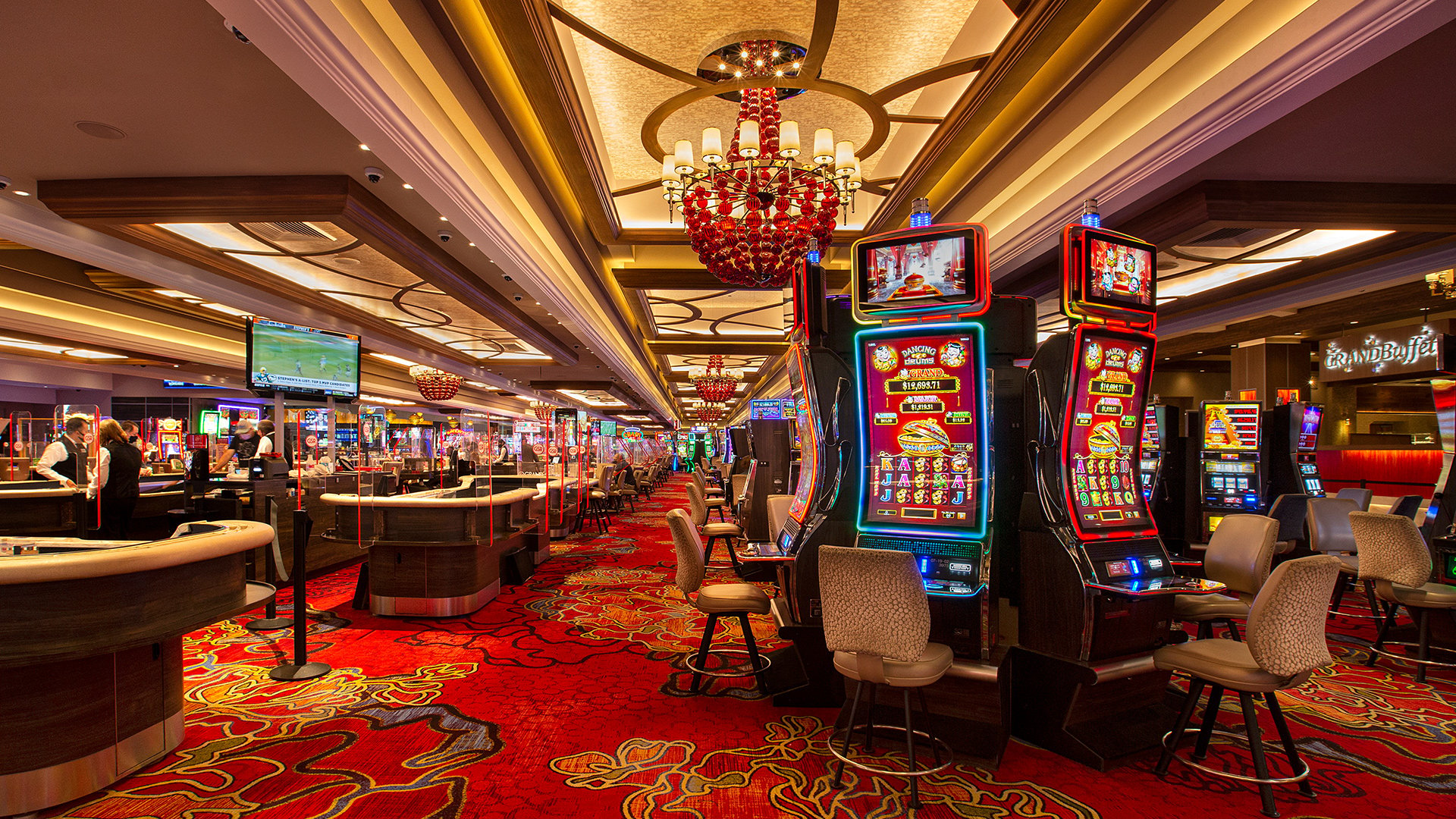
Hexabet Casino bietet seinen Nutzern eine bemerkenswerte Auswahl an Spielen. Neben klassischen Slots gibt es auch eine Vielzahl von Tischspielen wie Blackjack, Roulette und Poker. Das Live Casino ist ein besonderes Highlight, da es Spielern ermöglicht, in Echtzeit gegen echte Dealer zu spielen. Diese immersive Erfahrung bringt den Nervenkitzel eines physischen Casinos direkt zu Ihnen nach Hause.

Die Plattform ist zudem mit modernster Technologie ausgestattet, die eine reibungslose Benutzererfahrung garantiert. Ob Sie auf einem Computer oder einem mobilen Gerät spielen, die Spiele laufen flüssig und die Grafik ist erstklassig. Die Transaktionen sind schnell und sicher, sodass Sie sich keine Sorgen um die Sicherheit Ihrer persönlichen Daten machen müssen.

  • Breite an verfügbaren Spielen
  • Live Casino-Optionen
  • Mobile Kompatibilität für bequemes Spielen unterwegs

Die Kombination aus Spielvielfalt, Technologie und Sicherheit macht das Hexabet Casino zu einer idealen Plattform für alle Spielertypen.

Schlüsselvorteile von Hexabet Casino

Die Entscheidung für das Hexabet Casino bringt viele Vorteile mit sich, die Ihr Spielerlebnis erheblich bereichern können. Die attraktiven Boni sind nur der Anfang; die Plattform bietet auch ein Belohnungsprogramm, bei dem treue Spieler für ihre Einsätze belohnt werden. Die Nutzung des Live Casinos ermöglicht nicht nur Interaktion mit echten Dealern, sondern schafft auch eine authentische Casino-Atmosphäre. Darüber hinaus ist der Kundenservice 24/7 erreichbar, sodass jederzeit Hilfe verfügbar ist.

  • Attraktive Boni und Freispiele
  • Belohnungsprogramm für treue Spieler
  • Exzellente Kundenbetreuung rund um die Uhr

Diese Vorteile zeigen, dass Hexabet Casino nicht nur auf kurzfristige Gewinne abzielt, sondern auch auf ein langfristiges, unterhaltsames Spielerlebnis.

Vertrauen und Sicherheit im Hexabet Casino

Ein entscheidender Aspekt beim Spielen online ist die Sicherheit. Hexabet Casino setzt höchste Standards in Bezug auf den Schutz der Kundendaten und die Sicherheit von Transaktionen. Das Casino ist lizenziert und reguliert, was bedeutet, dass es strengen Vorschriften folgt, um ein sicheres Spielumfeld zu gewährleisten. Verschlüsselungstechnologien schützen persönliche und finanzielle Informationen der Spieler, sodass Sie sich auf das Spielen konzentrieren können.

Darüber hinaus engagiert sich Hexabet für verantwortungsbewusstes Spielen und bietet Tools zur Unterstützung von Spielern, die Hilfe benötigen. Dies zeigt, dass das Casino nicht nur um das Spielerlebnis besorgt ist, sondern auch um das Wohl seiner Kunden.

Warum Hexabet Casino wählen?

Hexabet Casino ist mehr als nur ein weiterer Anbieter in der Online-Casino-Welt. Mit einem beeindruckenden Angebot an Spielen, attraktiven Boni und einem ausgezeichneten Kundenservice hebt es sich von der Konkurrenz ab. Die Benutzerfreundlichkeit der Plattform und die Sicherheitsmaßnahmen tragen zu einem insgesamt positiven Erlebnis bei. Wenn Sie ein aufregendes und sicheres Spielumfeld suchen, ist Hexabet Casino die perfekte Wahl für Sie.

Setzen Sie noch heute Ihre Reise im Hexabet Casino in Gang und entdecken Sie die aufregenden Möglichkeiten, die auf Sie warten!

Commencer avec les casinos en ligne : une approche étape par étape


Comprendre les casinos en ligne

Les casinos en ligne sont des plateformes qui permettent aux joueurs de participer à des jeux de hasard via Internet. Ces sites offrent également de nombreuses promotions attractives, comme celles que l’on peut trouver sur https://simsinos-fr.com , qui rendent l’expérience encore plus excitante pour les utilisateurs. Les joueurs peuvent placer des paris sur une variété de jeux, tels que les machines à sous, le poker, la roulette et le blackjack, directement depuis le confort de leur domicile.

Avec l’essor des technologies numériques, de nombreux casinos en ligne proposent des interfaces conviviales et des graphismes de haute qualité. De plus, la plupart des casinos en ligne offrent des bonus d’inscription et des promotions régulières pour attirer et fidéliser les joueurs. Comprendre comment ces plateformes fonctionnent est essentiel pour maximiser ses chances de gagner.

Choisir un casino en ligne fiable

Choisir un casino en ligne peut sembler une tâche ardue en raison de la multitude d’options disponibles. Il est crucial de vérifier la réputation et la légitimité d’une plateforme avant de s’inscrire. Recherchez des licences délivrées par des autorités reconnues, ce qui garantit que le site opère légalement et suit des normes strictes de sécurité et de protection des joueurs.

En outre, consultez les avis d’autres joueurs pour avoir une idée de leur expérience avec le casino. Les plateformes fiables offrent également des méthodes de paiement sécurisées et un service client réactif pour aider les utilisateurs en cas de problème.

Les différents types de jeux de casino en ligne

Les casinos en ligne proposent une vaste gamme de jeux qui répondent à tous les goûts. Les machines à sous, par exemple, sont les plus populaires en raison de leur simplicité et de leur potentiel de gains élevés. De plus, les jeux de table tels que la roulette et le blackjack attirent les joueurs qui aiment mettre leurs compétences à l’épreuve. Chaque type de jeu a ses propres règles et stratégies, il est donc conseillé de les comprendre avant de commencer à jouer.

Les casinos en ligne offrent également des jeux avec croupiers en direct, où les joueurs peuvent interagir avec de véritables dealers via une diffusion en direct. Cela crée une expérience immersive qui se rapproche de celle d’un casino physique, tout en permettant de jouer depuis chez soi.

Stratégies pour jouer aux jeux de casino en ligne

Avoir une stratégie de jeu est essentiel pour maximiser ses gains dans les casinos en ligne. Que ce soit pour le poker, le blackjack ou d’autres jeux, une bonne compréhension des probabilités et des techniques peut faire la différence entre gagner et perdre. Par exemple, au blackjack, il est souvent conseillé de connaître les stratégies de base pour minimiser l’avantage de la maison.

De plus, il est crucial de gérer son bankroll de manière responsable. Définir un budget pour les sessions de jeu et s’y tenir peut empêcher des pertes excessives. En établissant des limites de mise et en se fixant des objectifs clairs, les joueurs peuvent profiter de l’expérience sans se laisser emporter par l’adrénaline du jeu.

Conclusion sur les casinos en ligne

Les casinos en ligne offrent une expérience de jeu accessible et variée pour tous les passionnés de jeux de hasard. En comprenant les enjeux, en choisissant un site fiable et en ayant une stratégie de jeu solide, les joueurs peuvent profiter pleinement de ce divertissement tout en minimisant les risques financiers. Avec des innovations constantes et une offre de jeux en constante évolution, il est essentiel de rester informé des meilleures pratiques pour jouer.

En 2026, la popularité des casinos en ligne continue de croître, offrant des expériences de jeu toujours plus enrichissantes. Les nouvelles technologies, telles que la réalité virtuelle, commencent également à faire leur apparition, rendant l’avenir des jeux de casino en ligne encore plus prometteur.

Clean Industrial Machinery Without Causing Damage

How to Clean Industrial Machinery Without Damaging Equipment

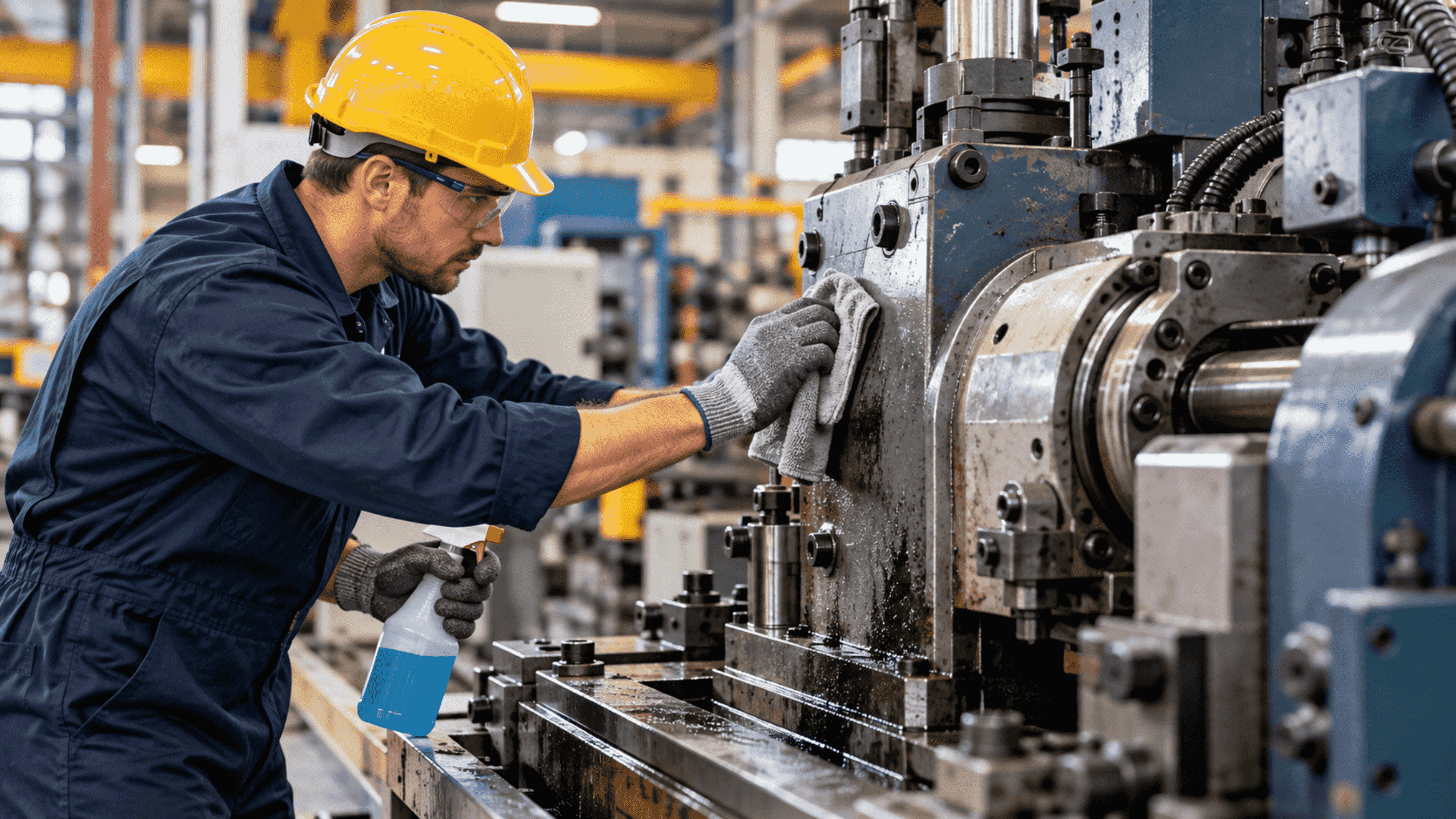
Cleaning industrial machinery properly is essential for maintaining equipment performance, preventing premature wear, and ensuring a safe working environment. However, using the wrong cleaning products, excessive water, or unsuitable techniques can damage sensitive components and lead to costly repairs. Understanding how to clean industrial machinery safely helps businesses maintain their equipment while reducing unnecessary downtime. From removing dust and grease to selecting appropriate cleaning products, the right approach makes a significant difference.

For businesses that need consistent facility maintenance, professional cleaning practices can help protect equipment and maintain cleaner workspaces. Cherokee Cleaning Company understands the importance of maintaining clean commercial and industrial environments. Whether you are reviewing machinery cleaning methods or considering professional industrial cleaning services in Knoxville, TN, the right cleaning approach can help protect your equipment and maintain a cleaner facility.

Why Proper Industrial Machinery Cleaning Matters

Regular industrial machinery cleaning supports equipment reliability, workplace safety, and the overall condition of industrial facilities. Machinery often operates under demanding conditions, including continuous production, exposure to airborne particles, contact with lubricants, and the accumulation of manufacturing residue. Cleaning helps control these contaminants before they interfere with equipment operation or create additional maintenance concerns.

1. Prevents Equipment Damage and Premature Wear

Dust, dirt, and abrasive particles can accumulate around moving components, ventilation openings, seals, and mechanical joints. If these contaminants enter sensitive areas, they may contribute to friction, wear, overheating, or restricted movement. Grease and residue can also conceal developing problems, making it more difficult to identify leaks, corrosion, and damaged components during routine inspections.

Appropriate industrial equipment cleaning removes unwanted buildup while protecting essential machine surfaces. We recommend following manufacturer instructions and using compatible cleaning products to avoid damaging finishes, seals, and protective coatings. Cleaning should complement established lubrication and maintenance procedures rather than replace them.

2. Supports Workplace Safety and Hygiene

Contaminated machinery can contribute to workplace hazards when oil, grease, or production residue accumulates around equipment and nearby walkways. Slippery surfaces may increase the risk of slips and falls, while excessive dust can affect housekeeping standards and, depending on the material, create respiratory or combustible dust hazards.

A structured cleaning program helps control these conditions and keeps equipment surroundings more manageable. Cleaning personnel should also understand the specific hazards associated with industrial contaminants, including chemical residues and potentially hazardous production materials. Appropriate protective equipment, safe waste handling, and documented procedures help support a cleaner working environment.

3. Helps Maintain Machinery Performance and Efficiency

Equipment performs best when its essential components remain free from contaminants that interfere with normal operation. Dust accumulation can restrict cooling airflow, while residue around sensors may affect readings or equipment responses. Deposits around mechanical assemblies can also make inspections and adjustments more difficult.

Regular cleaning helps maintain accessible surfaces, ventilation pathways, and inspection points. However, cleaning methods must remain compatible with the machine’s operating requirements. Sensitive instruments, lubricated assemblies, and precision components may require specialized procedures rather than general-purpose cleaning.

4. Reduces Unexpected Maintenance and Repair Costs

Preventive cleaning can help businesses identify developing equipment issues before they become more serious. Removing surface contamination makes it easier to notice fluid leaks, loose fittings, corrosion, cracks, and other visible abnormalities during authorized inspections.

Although cleaning cannot prevent every mechanical failure, consistent housekeeping can reduce avoidable contamination-related problems and support maintenance planning. Combining cleaning schedules with inspections and manufacturer-recommended servicing helps businesses manage equipment condition more effectively.

How to Clean Industrial Machinery Safely: A Step-by-Step Guide

The safest approach to cleaning industrial machinery begins with understanding the equipment and identifying the hazards associated with its operation and contamination. The following steps provide a general framework, but machine-specific procedures and site safety requirements must always take priority.

1. Review the Manufacturer’s Cleaning Instructions

Before starting, review the manufacturer’s operating manual, maintenance documentation, and cleaning recommendations. These resources identify materials that may be damaged by particular chemicals, surfaces that should not become wet, and components requiring specialized handling.

Check whether the equipment has restrictions concerning solvents, detergents, compressed air, pressure washing, or disassembly. If instructions are unavailable or unclear, consult qualified maintenance personnel before proceeding.

2. Shut Down and Isolate Equipment Before Cleaning

Industrial equipment must be placed in a safe condition before cleaning begins. Follow the site’s approved shutdown procedure and apply lockout/tagout (LOTO) wherever required to isolate hazardous energy sources.

Depending on the equipment, hazards may include electrical power, hydraulic pressure, pneumatic pressure, stored mechanical energy, hot surfaces, and moving parts. Simply switching off a machine may not eliminate these risks.

Only authorized personnel should perform isolation and verify that the equipment is safe to access. Cleaning must never begin while hazardous components remain energized or capable of unexpected movement.

3. Remove Loose Dust, Debris, and Surface Contaminants

Start by removing loose material using a cleaning method approved for the equipment and the contaminant involved. Suitable options may include lint-free cloths, soft brushes, industrial vacuums, or specialized extraction equipment.

Avoid brushing debris into ventilation openings, bearings, electrical enclosures, or other sensitive areas. Compressed air should not be used indiscriminately because it can spread contaminants, damage delicate components, or create airborne hazards. Where dust could be combustible or hazardous to breathe, use an appropriate industrial collection system and follow site-specific controls.

4. Choose the Right Cleaning Products for Equipment Materials

Selecting the correct cleaning product is essential for effective industrial equipment cleaning. Different materials respond differently to chemical exposure. Certain solvents may damage plastics, rubber seals, painted surfaces, adhesives, and protective coatings, while unsuitable products may contribute to corrosion.

Choose a cleaner that is compatible with the equipment materials and approved for the type of contamination being removed. Review product labels and safety data sheets before use, and test compatibility only through an approved procedure.

Never mix cleaning chemicals unless the manufacturer explicitly permits the combination. Use the specified dilution, application method, ventilation, and personal protective equipment.

5. Apply Suitable Machinery Cleaning Methods

The appropriate machinery cleaning methods depend on the equipment’s construction and the type of residue present. Dry wiping may be sufficient for light dust, while an approved degreaser may be necessary for oil buildup. Sensitive equipment may require specialized products and controlled application techniques.

Apply cleaning solutions only to permitted surfaces, using the amount recommended by the product manufacturer. Avoid spraying liquids directly into openings, bearings, connectors, control panels, and other components that are not designed for wet cleaning.

Allow the product to work for the recommended contact time, then remove residue according to the instructions. Avoid scraping or scrubbing aggressively, as doing so could damage the machine’s surface.

6. Avoid Excess Moisture Around Electrical Components

Water and electrical systems require particular care during machinery cleaning. Excess moisture can contribute to corrosion, short circuits, insulation problems, and damage to electronic controls. Even equipment with a water-resistant enclosure may have openings, connectors, or components that are not protected against direct water exposure.

Use approved dry or minimally damp cleaning techniques around sensitive areas. Electrical enclosures should be cleaned according to the manufacturer’s procedures, and only qualified personnel should open or service them.

Never assume that an electrical component is safe to expose to moisture simply because the surrounding machine has a protective housing.

7. Dry Equipment Thoroughly and Inspect Before Restarting

After cleaning, remove residual cleaning solution and moisture using an approved drying method. Pay attention to crevices, joints, seams, and other locations where liquid may collect.

Inspect the equipment for remaining residue, signs of damage, displaced protective covers, and visible abnormalities. Confirm that guards and other components are correctly reinstalled and that the required maintenance checks have been completed.

Before restarting, the responsible personnel must verify that the area is clear, all tools have been removed, and the equipment is ready for operation under the applicable safety procedures. Restarting should follow the manufacturer’s instructions and the facility’s approved process.

Common Machinery Cleaning Methods and When to Use Them

Different machines require different cleaning approaches. Selecting the right method helps remove contamination without introducing unnecessary moisture, chemical exposure, or mechanical stress.

1. Dry Cleaning for Dust and Loose Debris

Dry cleaning is often suitable for removing loose dust, fibers, and surface particles from equipment that should not become wet. Soft brushes, lint-free cloths, and compatible industrial vacuum systems can help control contamination while limiting exposure to liquids.

This approach is particularly useful around sensitive equipment and components that cannot tolerate wet cleaning. The vacuum and collection system must be appropriate for the dust being removed, especially when the material presents a health or combustible dust hazard.

2. Damp Wiping for Sensitive Equipment Surfaces

Damp wiping can remove light residue from approved surfaces without applying large quantities of liquid. A compatible cleaning solution and a well-wrung cloth can help control the amount of moisture introduced.

This method may be suitable for machine housings, accessible exterior panels, and certain nonporous surfaces. It should not be used on components that the manufacturer identifies as unsuitable for moisture exposure.

3. Degreasing for Oil, Grease, and Stubborn Residue

Industrial degreasers help break down oily deposits that ordinary wiping may not remove effectively. The product should match the contaminant and the materials being cleaned.

Before applying a degreaser, consider ventilation, chemical compatibility, ignition risks, residue removal, and waste disposal. Some solvents are flammable or can damage elastomers and coatings. Follow the product’s safety data sheet and the facility’s chemical handling procedures.

4. Controlled Pressure Washing for Suitable Equipment

Pressure washing can be useful for certain heavy-duty equipment and external surfaces designed to tolerate water and mechanical impact. However, it is not appropriate for every industrial machine.

Excessive pressure can force water past seals, damage finishes, dislodge components, and drive contaminants into sensitive areas. Pressure washing should only be used when the equipment manufacturer permits it, with suitable pressure, distance, temperature, and drainage controls.

5. Specialized Cleaning for Delicate or Precision Machinery

Precision instruments, production controls, specialized manufacturing equipment, and sensitive mechanical assemblies may require specific cleaning products, trained personnel, or dedicated procedures.

In these situations, general-purpose cleaning methods can create unnecessary risks. Follow the manufacturer’s instructions and involve qualified technicians when cleaning requires disassembly, access to restricted components, or procedures beyond routine housekeeping.

Common Mistakes to Avoid When Cleaning Industrial Equipment

Incorrect cleaning practices can cause damage even when the intention is to improve equipment condition. Recognizing common mistakes helps businesses maintain consistent standards and avoid preventable problems.

1. Using Harsh Chemicals or Abrasive Cleaning Tools

Strong solvents, highly acidic or alkaline cleaners, metal brushes, and abrasive pads can damage coatings and exposed materials. They may also leave residues that interfere with later production processes.

Choose products and tools based on equipment compatibility rather than cleaning strength alone. Effective cleaning should remove the contaminant without creating another maintenance problem.

2. Applying Excessive Water or High Pressure

Excessive water can enter electrical enclosures, penetrate seals, or remain trapped in difficult-to-reach spaces. High-pressure jets may damage labels, insulation, protective coatings, and delicate assemblies.

Use wet cleaning only where approved, and control the amount of liquid applied. If a machine is not designed for washdown, use a suitable alternative.

3. Ignoring Electrical Components and Sensitive Sensors

Sensors, switches, connectors, control panels, and optical components may be vulnerable to liquids, chemicals, abrasion, and physical contact. Cleaning them with unsuitable products can affect their performance or cause equipment faults.

Identify sensitive components before beginning and follow the specified cleaning procedures. Do not open electrical enclosures or handle internal components unless authorized and qualified to do so.

4. Cleaning Equipment Without Proper Shutdown Procedures

Cleaning around moving machinery or equipment containing stored energy can expose workers to serious injury. Unplanned startup, rotating parts, pressurized systems, and hot surfaces must be addressed before cleaning begins.

Follow established isolation procedures and verify safe conditions before accessing hazardous areas. Never bypass guards or safety controls to make cleaning easier.

5. Restarting Machinery Before It Is Completely Dry and Inspected

Residual moisture, loose cleaning materials, missing guards, and improperly reinstalled components can create operational and safety issues. A quick visual wipe is not sufficient when a cleaning procedure requires a complete inspection.

Establish a clear handover process between cleaning and operations personnel. Restart only after the required drying, inspection, and safety checks have been completed.

How Often Should Industrial Machinery Be Cleaned?

The correct cleaning frequency depends on production activity, environmental conditions, the type of machinery, and the manufacturer’s maintenance recommendations. Equipment operating in dusty environments may need more frequent surface cleaning than machinery used in a controlled production area.

A practical cleaning schedule can include the following activities:

  • Daily cleaning: Remove accessible dust, loose debris, and minor surface contamination where required by operating procedures.
  • Weekly cleaning: Address recurring buildup on approved exterior surfaces, accessible guards, and other designated areas.
  • Scheduled deep cleaning: Perform more detailed cleaning at intervals determined by the equipment manufacturer, contamination levels, and production requirements.
  • Immediate spill response: Address oil, chemical, or production material spills promptly using the site’s approved containment and cleanup procedures.
  • Maintenance-related cleaning: Clean designated components during planned servicing when authorized personnel determine that it is appropriate.

These intervals are examples, not universal requirements. Some machines need cleaning after every production run, while others require less frequent intervention. Certain components must not be cleaned without technical approval.

A documented schedule should identify the equipment, cleaning method, approved products, responsible personnel, frequency, and inspection requirements. Recording completed work helps teams identify recurring contamination and adjust procedures when operating conditions change.

When to Hire Professional Industrial Cleaning Services

Professional industrial cleaning services can help businesses manage cleaning tasks that require specialized knowledge, equipment, or consistent staffing. While routine surface cleaning may be handled by trained facility personnel, more complex cleaning requirements may benefit from professional support.

1. Cleaning Complex or Sensitive Industrial Equipment

Complex machinery often contains components that require controlled cleaning techniques. Professional cleaners who understand industrial environments can help assess the scope of work, identify relevant hazards, and follow the procedures established by the equipment owner.

Where cleaning involves internal assemblies, electrical systems, precision mechanisms, or disassembly, qualified maintenance technicians should remain responsible for the technical work.

2. Removing Heavy Grease and Persistent Contamination

Accumulated grease, stubborn production residue, and extensive surface contamination may require specialized products and collection methods. Professional support can help businesses establish an appropriate approach while considering chemical safety, material compatibility, and waste handling.

The cleaning plan should identify which surfaces can be treated, which products are permitted, and how removed contaminants will be collected and disposed of.

3. Maintaining Large Industrial Facilities

Large facilities contain multiple work areas, machinery types, storage spaces, and shared access routes. Coordinating cleaning across these areas can be difficult without clear responsibilities and schedules.

Professional cleaning services for industries can support facility-wide housekeeping, including approved floor cleaning, accessible exterior surfaces, common areas, and other agreed-upon tasks. Clear scope definitions help distinguish routine facility cleaning from specialized machinery maintenance.

4. Supporting Routine Cleaning and Preventive Maintenance

Consistent cleaning can complement preventive maintenance by keeping equipment surroundings organized and making visible abnormalities easier to identify. Professional cleaning personnel can follow established schedules and document completed tasks within the agreed service scope.

Cleaning teams should not independently adjust machinery, remove protective guards, or perform maintenance outside their training and authorization. Coordination with facility managers helps maintain clear responsibilities.

Choosing the Right Industrial Cleaning Services for Your Facility

Selecting an appropriate provider involves more than comparing prices. Businesses should assess experience, safety procedures, cleaning capabilities, and the provider’s ability to work within operational requirements.

Look for Experience With Industrial Facilities

Industrial environments have different requirements from ordinary office or residential spaces. Look for a provider that understands facility access rules, production schedules, contamination control, and the importance of protecting equipment during cleaning.

Discuss the type of facility, the areas requiring service, and any special restrictions before agreeing on a scope of work.

Ask About Cleaning Methods and Equipment Safety

Before hiring a provider, ask how the team determines which cleaning products and methods are suitable for different surfaces. A responsible cleaning plan should account for moisture sensitivity, chemical compatibility, equipment access, and the manufacturer’s restrictions.

Businesses seeking industrial cleaning services in Knoxville should also clarify whether the work includes machinery exteriors, industrial floors, common areas, or specialized equipment cleaning.

Verify Staff Training and Safety Procedures

Ask about staff training, personal protective equipment, chemical handling, hazard communication, and site-specific safety requirements. Confirm that the provider understands the facility’s access restrictions and shutdown procedures.

For tasks involving hazardous energy, technical disassembly, or sensitive machine components, establish who is authorized to perform the work and who will verify that equipment is safe to restart.

Choose a Company That Offers Consistent Cleaning Schedules

A dependable provider should be able to discuss service frequency, task checklists, access arrangements, and documentation. Scheduled cleaning helps businesses maintain consistent standards without unnecessarily interrupting production.

Companies comparing professional cleaning services in Knoxville, TN should evaluate reliability, communication, scope clarity, and the provider’s ability to adapt to changing facility needs.

Keep Your Facility Clean With Cherokee Cleaning Company

Proper cleaning practices help protect industrial machinery, reduce avoidable damage, and maintain a cleaner workplace. Cherokee Cleaning Company supports businesses seeking reliable cleaning solutions for their facilities.

Our industrial cleaning services in Knoxville can help businesses address facility cleaning needs and maintain organized workspaces. For broader property maintenance, commercial property management cleaning can also support cleaner offices, shared areas, and common spaces.

Contact Cherokee Cleaning Company to discuss your facility’s cleaning requirements and find a suitable cleaning plan for your business.

Frequently Asked Questions

What Is the Safest Way to Clean Industrial Machinery?

The safest method is to follow the manufacturer’s cleaning instructions, isolate hazardous energy sources when required, and select products compatible with the machine’s materials. Use approved tools, control moisture, and complete the required drying and inspection procedures before restarting equipment.

Which Cleaning Products Should Be Avoided on Industrial Equipment?

Avoid chemicals that are incompatible with the machine’s metals, plastics, seals, coatings, or electrical components. Unapproved solvents, corrosive cleaners, abrasive compounds, and products that leave harmful residues may cause damage. Always review manufacturer instructions and product safety data before use.

Can Water Damage Industrial Machinery During Cleaning?

Yes. Water can damage electrical components, contribute to corrosion, penetrate seals, and affect sensitive sensors if the equipment is not designed for wet cleaning. Use water only on approved surfaces and follow the manufacturer’s instructions for moisture control, drying, and inspection.

How Often Should Industrial Equipment Be Cleaned?

Cleaning frequency depends on contamination levels, production activities, operating conditions, and manufacturer recommendations. Some equipment requires daily cleaning, while other machinery needs periodic deep cleaning or immediate attention after spills. A documented schedule helps maintain consistent standards.

When Should Businesses Hire Professional Industrial Cleaning Services?

Businesses should consider professional support when cleaning involves large facilities, persistent contamination, demanding schedules, or specialized cleaning requirements. Tasks involving internal machine components, hazardous energy, or technical disassembly should be assigned to appropriately qualified and authorized personnel.

How Can I Find Industrial Cleaning Services in Knoxville, TN?

Start by researching local providers and reviewing their industrial facility experience, cleaning procedures, safety practices, scheduling options, and service scope. Ask how they protect equipment, handle cleaning chemicals, and work around operating schedules before choosing a provider for your Knoxville facility.

Medical Office Cleaning

7 Common Medical Office Cleaning Mistakes That Can Increase Infection Risks

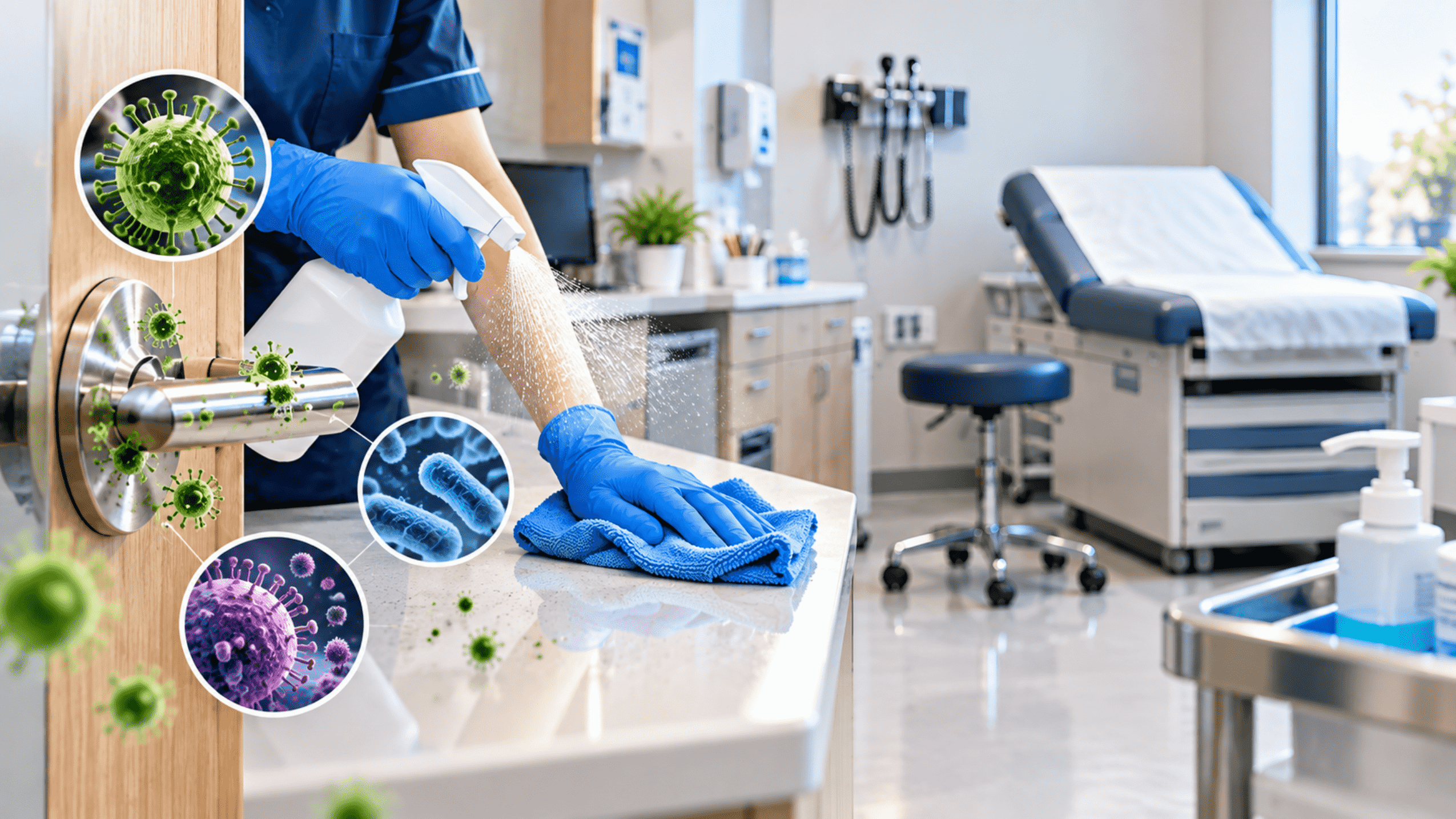
Medical offices require a higher level of cleaning and disinfection than many commercial spaces. Because patients, visitors, and staff frequently share rooms and touch common surfaces, proper medical office sanitation is essential to maintaining a clean environment.

Common cleaning mistakes, such as overlooking high-touch areas, using products incorrectly, or following inconsistent cleaning routines, can weaken infection control in medical offices. Proper cleaning procedures can help support infection prevention in healthcare facilities.

Professional medical office cleaning services in Knoxville can provide trained cleaning teams and consistent procedures to maintain healthcare environments. At Cherokee Cleaning Company, we provide affordable cleaning solutions tailored to the needs of medical and commercial facilities.

Why Proper Medical Office Cleaning Matters

Medical offices experience continuous movement throughout the day. Patients enter reception areas, sit in waiting rooms, use restrooms, visit examination rooms, and interact with staff and shared equipment. Because many people may touch the same surfaces, routine cleaning must be consistent and methodical.

Waiting room chairs, reception counters, door handles, examination tables, faucets, light switches, and frequently handled equipment can require regular attention. Simply making an office appear clean does not necessarily provide effective medical office disinfection. Cleaning removes dirt and organic material, while disinfection uses appropriate products and procedures to reduce harmful microorganisms on surfaces.

Strong cleaning procedures form an important part of broader infection control in medical offices. By combining appropriate cleaning methods with consistent schedules, staff training, and documented procedures, we can support infection prevention in healthcare environments while maintaining a professional setting for patients and employees.

Cleaning vs. Sanitizing vs. Disinfecting

Cleaning involves physically removing dirt, dust, debris, and organic material from surfaces. It is an essential first step because soil and debris can interfere with the effectiveness of some disinfecting processes.

Sanitizing reduces microorganisms on surfaces to levels considered safer according to applicable standards or product directions. It is not necessarily intended to eliminate all microorganisms.

Disinfecting involves using an appropriate chemical product and application procedure to destroy or inactivate many harmful microorganisms on surfaces. Proper product selection, application, and required contact time are important for effective disinfection.

7 Common Medical Office Cleaning Mistakes

Avoiding common medical office cleaning mistakes requires consistent procedures, suitable products, proper cleaning techniques, trained personnel, and attention to both visible and overlooked surfaces.

1. Cleaning High-Touch Surfaces Too Infrequently

One of the most common medical office cleaning mistakes is failing to clean frequently touched surfaces often enough. These surfaces may be handled repeatedly by patients, visitors, healthcare workers, and administrative staff throughout the day.

Common examples include:

  • Door handles and knobs
  • Light switches
  • Reception counters
  • Waiting room chairs and armrests
  • Examination tables
  • Faucet handles
  • Shared keyboards and devices
  • Medical equipment controls
  • Cabinet and drawer handles
  • Phones and other shared office equipment

A surface does not have to look dirty to require attention. High-touch areas can accumulate contamination through repeated contact even when they appear visually clean.

Effective medical office sanitation should identify high-touch surfaces and establish appropriate cleaning frequencies based on patient volume, room usage, and facility requirements. We can use room-specific checklists to ensure these areas receive consistent attention rather than relying only on visual inspections.

2. Using the Wrong Cleaning or Disinfecting Products

Not every cleaning product is appropriate for use in a healthcare environment. Selecting a product simply because it claims to clean a surface may not provide the level of disinfection required for a particular setting.

We should select cleaning and disinfecting products according to manufacturer instructions, facility requirements, surface compatibility, and the intended application. Product labels provide important information about dilution, application methods, required contact time, storage, and safety precautions.

Incorrect dilution can affect product performance, while wiping a disinfectant away before the required contact time may prevent it from working as intended. Using products on incompatible surfaces can also cause damage.

Proper medical office disinfection requires more than having disinfectants available. Cleaning personnel need to understand how and where products should be used, how long surfaces must remain appropriately wet when required, and what precautions should be followed during application. These practices support stronger infection control in medical offices.

3. Cleaning in the Wrong Order

Cleaning technique matters just as much as cleaning frequency. An ineffective sequence can move contaminants from one area to another rather than systematically removing them.

We generally work from cleaner areas toward areas that are more contaminated and from higher surfaces toward lower surfaces. This approach helps prevent debris and contaminants from falling onto areas that have already been cleaned.

Cleaning personnel should also use appropriate tools for different areas and avoid transferring the same materials between patient spaces without proper management. Equipment and supplies used in one room should not automatically be reused in another room if doing so could contribute to cross-contamination.

Why Cleaning Order Matters for Infection Prevention

A systematic cleaning sequence supports infection prevention in healthcare by reducing unnecessary movement of contaminants. When cleaning procedures are standardized, staff can follow the same process consistently rather than relying on individual habits.

This becomes especially important when multiple examination rooms, treatment spaces, restrooms, and shared areas must be cleaned during the same service period.

4. Reusing Cleaning Cloths and Equipment Without Proper Management

Using the same cleaning cloth, mop head, or other material across multiple areas without appropriate management can create cross-contamination concerns. A material that has already been used on one surface may transfer contaminants to another surface if it is reused incorrectly.

We should establish procedures for changing, laundering, disposing of, and storing cleaning materials. Depending on the facility and task, dedicated materials may be appropriate for particular rooms or surfaces.

Mop heads and reusable cloths should be handled according to established procedures rather than being repeatedly reused throughout the facility. Cleaning equipment should also be stored in a way that prevents clean materials from becoming contaminated.

A professional medical facility cleaning service can help establish structured equipment-management procedures so cleaning personnel understand when supplies need to be replaced, cleaned, laundered, or discarded.

5. Ignoring Less Obvious High-Touch Areas

Visible dirt often attracts attention, but many important touchpoints may look completely clean. Phones, keyboards, drawer handles, push plates, armrests, and medical equipment controls can be overlooked during routine cleaning.

Examples of less obvious touchpoints include:

  • Computer keyboards
  • Phones
  • Door push plates
  • Drawer handles
  • Cabinet handles
  • Chair armrests
  • Equipment controls
  • Waiting room tables
  • Shared pens and touchscreens
  • Faucet handles

A detailed cleaning checklist helps prevent these areas from being forgotten. We can identify surfaces according to how frequently they are touched and how they are used within each room.

Instead of focusing only on visible appearance, an effective cleaning program considers how people interact with the environment. This approach creates a more comprehensive sanitation routine.

6. Failing to Follow a Consistent Cleaning Schedule

Inconsistent cleaning can leave frequently touched surfaces untreated for longer than intended. A medical office may have different requirements for reception areas, restrooms, examination rooms, treatment spaces, staff areas, and other locations.

Cleaning frequencies should reflect room usage, patient volume, surface type, and facility procedures. High-traffic areas may require more frequent attention than spaces that are rarely occupied.

A documented schedule should clearly establish what needs to be cleaned, how often it should be cleaned, which procedures should be followed, and who is responsible for each task.

For facilities searching for medical office cleaning services near me, working with a professional provider can be a practical option when maintaining an internal cleaning schedule becomes difficult. Local cleaning providers can help facilities establish recurring service routines that align with their operational needs.

7. Overlooking Staff Training and Infection-Control Procedures

Even a detailed cleaning plan can be ineffective if cleaning personnel do not understand the procedures they are expected to follow. Training should address cleaning techniques, product handling, PPE requirements, cross-contamination prevention, equipment management, and product labels.

Personnel should understand the difference between cleaning and disinfection and recognize the importance of following manufacturer instructions. Where a product requires a specific contact time, staff should know how that requirement affects the cleaning process.

Regular quality checks can also help identify missed areas or inconsistent practices. Refresher training can be useful when procedures, products, equipment, or facility requirements change.

Strong training is therefore an important part of infection control in medical offices. Consistent procedures become easier to maintain when every member of the cleaning team understands the same standards.

Interesting Read: How Do Medical Office Cleaning Services Help Reduce Infection Spread in Hospitals?

How to Improve Medical Office Sanitation and Disinfection

Improving medical office sanitation begins with creating clear, repeatable procedures. We can establish room-specific protocols that identify surfaces, cleaning methods, products, and required frequencies.

A practical approach includes:

  1. Create room-specific cleaning protocols for waiting rooms, examination rooms, restrooms, treatment areas, and other spaces.
  2. Identify high-touch surfaces and establish appropriate cleaning intervals.
  3. Follow manufacturer instructions for every cleaning and disinfecting product.
  4. Use dedicated cleaning materials where appropriate to help reduce cross-contamination.
  5. Establish documented cleaning frequencies based on room usage and patient traffic.
  6. Train cleaning personnel in chemical handling, PPE, cleaning techniques, and infection-control practices.
  7. Maintain cleaning logs to document completed tasks and identify missed services.
  8. Perform regular quality inspections to verify that established procedures are being followed.
  9. Review procedures periodically when patient volume, facility layout, equipment, or operational needs change.

Build a Consistent Infection Prevention Routine

A consistent routine helps make cleaning less dependent on individual memory or judgment. We can use checklists, schedules, training, inspections, and documentation to create repeatable procedures.

When these elements work together, cleaning personnel have clear expectations for maintaining patient-facing areas and frequently touched surfaces. Consistency can support a cleaner environment for patients, visitors, healthcare professionals, and administrative staff.

Interesting Read: Top 5 Simple Tips for Keeping Your Medical Office Clean and Healthy

When Should a Medical Office Consider Professional Cleaning Services?

A medical office may benefit from professional cleaning support when patient volume is high, multiple examination or treatment rooms require attention, or in-house personnel cannot maintain a consistent schedule.

Professional support can also be useful when a facility needs detailed cleaning records, specialized healthcare cleaning procedures, or additional quality-control processes.

A reliable medical office cleaning company can help establish recurring cleaning routines while allowing healthcare personnel to focus on their primary responsibilities. Facilities may also compare different medical office cleaning companies to find a provider with appropriate healthcare experience, trained personnel, and flexible scheduling.

For larger or more specialized facilities, commercial medical cleaning services can provide structured support for multiple areas and recurring cleaning requirements. Property management cleaning services can also help property managers maintain clean, safe, and well-maintained medical facilities by coordinating routine cleaning schedules, common-area maintenance, and facility-specific cleaning needs.

Choosing the Right Medical Office Cleaning Company in Knoxville

Selecting the right provider requires more than comparing prices. A medical office cleaning company should understand the specific demands of healthcare environments and provide consistent procedures that support sanitation and disinfection.

When evaluating a provider, we recommend considering:

  • Experience with healthcare environments
  • Training provided to cleaning professionals
  • Detailed cleaning and disinfection procedures
  • Consistent service schedules
  • Appropriate cleaning products and equipment
  • Quality-control and inspection processes
  • Flexible service options
  • Clear communication and documentation
  • Understanding of healthcare-specific cleaning requirements

A medical office cleaning company in Knoxville should be able to explain how its cleaning procedures address frequently touched surfaces, patient areas, restrooms, examination rooms, and other facility spaces.

Facilities searching for medical office cleaning services in Knoxville should also ask how schedules are developed and how completed work is monitored. A provider offering medical office cleaning should be prepared to adapt its service approach to the facility’s size, patient volume, room usage, and operational requirements.

How Cherokee Cleaning Company Supports Cleaner Medical Offices

Cherokee Cleaning Company provides professional cleaning services in Knoxville, TN, with support to help medical and commercial facilities maintain consistent cleaning routines. We focus on dependable service, careful attention to frequently touched areas, and structured cleaning procedures.

Medical offices can benefit from customized schedules that account for patient traffic, room usage, and facility requirements. We can also pay attention to commonly overlooked areas that may be missed during basic cleaning routines.

Our approach emphasizes consistency in sanitation and disinfection while helping facilities maintain a professional and orderly environment. By using established procedures and reliable scheduling, we help medical facilities maintain cleaning routines that support their broader infection-control practices.

For facilities seeking a dependable medical office cleaning service, professional cleaning support can make it easier to maintain consistent standards across patient-facing and staff areas.

Medical Office Cleaning Mistakes: Quick Checklist

A practical medical office cleaning checklist helps identify common mistakes and establish better practices for high-touch surfaces, disinfectant use, cleaning sequences, supplies, schedules, and staff training.


Cleaning Mistake Better Practice
Infrequent high-touch cleaning Establish regular cleaning intervals
Wrong disinfectant Follow product and facility requirements
Poor cleaning sequence Clean systematically
Reusing contaminated materials Use properly managed cleaning supplies
Ignoring hidden touchpoints Include them in cleaning checklists
Inconsistent schedules Maintain documented routines
Limited staff training Provide ongoing training and quality checks


Also Read: Building Cleaning Services Checklist

Keep Your Medical Office Cleaner and Better Prepared

Avoiding common cleaning mistakes is an important part of maintaining a clean and professionally managed medical environment. Consistent medical office sanitation, appropriate disinfection procedures, careful cleaning techniques, staff training, and documented schedules can help support broader infection-control practices. When internal resources are limited, professional cleaning support can provide the consistency needed across waiting rooms, examination areas, restrooms, treatment spaces, and high-touch surfaces.

Cherokee Cleaning Company is ready to support medical offices with dependable professional cleaning services in Knoxville. Contact Cherokee Cleaning Company at (865) 257-9854 to discuss your medical office cleaning needs.

FAQs About Medical Office Cleaning

How often should a medical office be cleaned?

Cleaning frequency depends on patient traffic, room usage, surface type, facility procedures, and the specific needs of the medical office. High-touch and frequently used areas generally require more consistent attention than low-traffic spaces.

What is the difference between medical office cleaning and regular commercial cleaning?

Medical office cleaning requires attention to healthcare-specific sanitation, disinfection, cross-contamination prevention, cleaning sequences, and product procedures. General commercial cleaning may not address the same healthcare-related requirements.

Why is disinfection important in a medical office?

Disinfection helps reduce harmful microorganisms on appropriate surfaces when the correct products and procedures are used. It is an important component of broader cleaning and infection-control practices within healthcare environments.

What surfaces should be cleaned most frequently in a medical office?

High-touch surfaces can include door handles, light switches, reception counters, chair armrests, examination tables, faucet handles, shared equipment, keyboards, phones, and frequently handled medical equipment controls.

Can improper cleaning increase infection risks?

Improper cleaning practices can contribute to cross-contamination or leave frequently touched surfaces inadequately treated. Using the wrong products, incorrect procedures, poor cleaning sequences, or inconsistent schedules can reduce cleaning effectiveness.

What should I look for in a medical office cleaning company?

Look for healthcare cleaning experience, trained personnel, documented procedures, appropriate products and equipment, consistent scheduling, quality inspections, clear communication, and an understanding of healthcare-specific cleaning requirements.

Do medical offices need specialized cleaning services?

The appropriate level of cleaning depends on the facility and its operations. Medical offices can benefit from providers familiar with healthcare environments, particularly when they need consistent disinfection procedures, detailed schedules, trained personnel, and quality-control processes.

How can professional cleaning services support infection prevention in healthcare?

Professional cleaning services can support established infection-control routines through consistent cleaning schedules, trained personnel, appropriate products, detailed checklists, high-touch surface cleaning, equipment management, and quality inspections.