Gal Sport Betting Tanzania: Quick Sessions, Crash Games, and the GSB iOS App

There is a particular rhythm to mobile betting that many players in Tanzania have come to know well. It is not about sitting down for hours, studying form guides, or building complex accumulators that take a week to settle. It is about the gaps in the day. The ten minutes waiting for a bus. The half-time break at a local match. The moment before sleep when the phone is already in hand. For those moments, the gsb ios app has become a familiar companion, offering a direct line to Gal Sport Betting’s full suite of games without the need for a desktop or a trip to a physical shop.

The pattern is consistent. A player opens the app, checks the balance, and scans for something that will resolve quickly. They are not looking for a marathon. They are looking for a sprint. This is the dominant behaviour across a significant portion of GSB’s user base, and it shapes how the platform is used, which games get played, and how decisions are made in the moment.

The Pull of the Crash Game and the Quick Outcome

For the player who wants immediate feedback, crash games like Aviator have become the default choice. The appeal is obvious. There is no waiting for a match to finish, no dependency on a team holding a lead, and no need to track ninety minutes of play. The entire experience is compressed into a few seconds. The multiplier climbs, the tension builds, and the player must decide when to cash out.

This is where the decision-making pace becomes crucial. A typical session might last no more than fifteen minutes. In that time, a player might place eight or ten bets, each one lasting under a minute. The pattern is always the same. They watch the multiplier rise, feel the urge to hold on for a higher number, and then either cash out with a modest gain or watch the round end with nothing.

The risk tolerance here is interesting. These players are not chasing life-changing sums. They are chasing a steady, small return that makes the session feel worthwhile. A 1.5x cashout is considered a win. A 3x cashout is a great result. Anything above that is rare and celebrated, but not expected. The motivation is not greed. It is the satisfaction of making the right call in a short window.

How the Session Typically Unfolds

Consider a practical example. A player has TSH 10,000 in their account. They open the crash game and decide to stake TSH 500 per round. The first round crashes at 1.2x. They cash out early, taking a small profit. The second round goes to 2.8x, and they hold on a little longer, securing a better return. The third round crashes almost immediately, and the stake is lost.

This is the flow. Small wins, occasional losses, and a running tally in the player’s head. They are not using complex strategies or martingale systems. They are simply reacting to what they see on the screen. The session ends when they hit a target, like doubling their starting balance, or when they lose a predetermined amount. The discipline is self-imposed, and it works because the rounds are so short.

Virtual Sports as a Filler Between Real Events

Virtual sports serve a different purpose in this pattern. They are not the main event, but they fill the gaps. A player might be waiting for a real football match to start, or they might have just finished a crash game session and want something that feels a little more structured. Virtual football, virtual roulette, and other virtual table games offer that structure.

The pace is slower than crash games but still faster than real sports. A virtual match takes a few minutes to complete, and the player can watch the simulation unfold. This appeals to the same desire for quick outcomes, but with a different texture. There is a sense of watching something happen, rather than just watching a number climb.

Players often use virtual sports to test out betting patterns. They might place a small stake on a virtual match to see how the odds feel, or they might use it as a way to stay engaged between real events. The key is that the session remains short. One virtual match, maybe two, and then the player moves on.

The Role of Live Betting in Short Sessions

Live betting on real sports is a different beast, but it still fits the pattern of quick engagement. The player is not watching the full match. They are checking in at key moments. A goal is scored, and they quickly assess whether to back the next goal or the current leader. The odds shift in real time, and the decision must be made fast.

This is where the mobile-first design of Gal Sport Betting really shines. The interface is built for thumb-based navigation, with the live betting section easily accessible. A player can switch from a crash game to a live football match in seconds, place a bet, and then switch back. The same account works across both, which removes any friction.

The typical live betting session is reactive. The player sees a corner kick, a penalty, or a red card, and they act. They are not doing deep analysis. They are reading the moment and making a call. This is the same decision-making pace as the crash game, just applied to a different context.

Controlled Risk and the Small Stake Mentality

The common thread across all these activities is the approach to risk. These players are not high rollers. They are not placing large bets on long-shot accumulators. They are managing a modest bankroll with frequent, small decisions. The stakes are low enough that a loss does not hurt, but high enough that a win feels meaningful.

This mentality is reinforced by the platform’s structure. Mobile money deposits and payouts make it easy to top up with small amounts. A player might deposit TSH 5,000, play for twenty minutes, and then withdraw whatever is left. The cycle is quick and repeatable. There is no need to commit a large sum to the account.

The player’s motivation is entertainment, not income. They know the odds are against them in the long run, but they are not playing for the long run. They are playing for the next few minutes. This is a crucial distinction. The session is the product, not the outcome.

Promotions That Fit the Quick Play Style

Some promotions align naturally with this style of play. The 2UP Early Payout, for example, is perfect for the player who wants to avoid the anxiety of a full match. If their team goes two goals ahead, the bet is settled early. This removes the need to watch the rest of the game and fits the short-session mindset.

The Combo Bet Weekend is another example. It requires a three-selection combo, but the reward is a FreeBet. For the quick-play player, this is a way to get extra value without changing their behaviour. They place the combo, get the FreeBet, and use it on a crash game or a virtual match.

The 50x Refund is also relevant. If one leg of a multi-bet lets the ticket down, the player gets up to fifty times their stake back. This softens the blow of a loss and encourages the player to keep the session going. It is a safety net that fits the controlled risk approach.

The GSB App Experience and Mobile Convenience

The dedicated app for Android and iOS is the primary access point for this style of play. The mobile-first design means everything is optimised for a small screen. Buttons are large enough to tap accurately, menus are simplified, and the loading times are fast. This matters when a player only has a few minutes to spare.

The app is not just a scaled-down version of the website. It is built for the way these players actually use the platform. The crash game loads instantly. The live betting section updates in real time. The virtual sports are streamed without buffering. Every element is designed to reduce friction and keep the player engaged.

For the player who is always on the move, the app is the difference between betting and not betting. They do not have time to open a browser, navigate to the site, and log in. They want to tap an icon and be in the game. The gsb ios app delivers this experience, and it is a key reason why the platform has become so popular among casual, quick-session players.

Why the Same Account for Sports and Casino Matters

The unified account structure is another factor that supports this play pattern. A player can start with a live football bet, move to a crash game, and then try a slot or a virtual table game, all without switching accounts or moving funds. This seamless transition is essential for the player who wants to keep the session flowing.

There is no barrier between different types of betting. The balance is shared, the withdrawal process is the same, and the history is all in one place. This makes it easy to track the session and decide when to stop. The player can see exactly how much they have won or lost across all activities, which supports the disciplined approach to risk.

This is not a platform for the player who wants to separate their sports betting from their casino play. It is a platform for the player who wants everything in one place, accessible in seconds, and ready to go at any moment.

Start Betting Now

The pattern is clear. Short sessions, quick decisions, and controlled risk. Gal Sport Betting Tanzania has built an environment that supports this style of play, from the crash games that resolve in seconds to the virtual sports that fill the gaps and the live betting that rewards fast thinking. The gsb ios app puts all of this in the player’s pocket, ready for the next spare moment.

If this sounds like the way you like to bet, the next step is simple. Download the app, make a small deposit with mobile money, and see how the quick-session style works for you. The rounds are short, the decisions are yours, and the next opportunity is always just a tap away. Start Betting Now.

Clean Industrial Machinery Without Causing Damage

How to Clean Industrial Machinery Without Damaging Equipment

Cleaning industrial machinery properly is essential for maintaining equipment performance, preventing premature wear, and ensuring a safe working environment. However, using the wrong cleaning products, excessive water, or unsuitable techniques can damage sensitive components and lead to costly repairs. Understanding how to clean industrial machinery safely helps businesses maintain their equipment while reducing unnecessary downtime. From removing dust and grease to selecting appropriate cleaning products, the right approach makes a significant difference.

For businesses that need consistent facility maintenance, professional cleaning practices can help protect equipment and maintain cleaner workspaces. Cherokee Cleaning Company understands the importance of maintaining clean commercial and industrial environments. Whether you are reviewing machinery cleaning methods or considering professional industrial cleaning services in Knoxville, TN, the right cleaning approach can help protect your equipment and maintain a cleaner facility.

Why Proper Industrial Machinery Cleaning Matters

Regular industrial machinery cleaning supports equipment reliability, workplace safety, and the overall condition of industrial facilities. Machinery often operates under demanding conditions, including continuous production, exposure to airborne particles, contact with lubricants, and the accumulation of manufacturing residue. Cleaning helps control these contaminants before they interfere with equipment operation or create additional maintenance concerns.

1. Prevents Equipment Damage and Premature Wear

Dust, dirt, and abrasive particles can accumulate around moving components, ventilation openings, seals, and mechanical joints. If these contaminants enter sensitive areas, they may contribute to friction, wear, overheating, or restricted movement. Grease and residue can also conceal developing problems, making it more difficult to identify leaks, corrosion, and damaged components during routine inspections.

Appropriate industrial equipment cleaning removes unwanted buildup while protecting essential machine surfaces. We recommend following manufacturer instructions and using compatible cleaning products to avoid damaging finishes, seals, and protective coatings. Cleaning should complement established lubrication and maintenance procedures rather than replace them.

2. Supports Workplace Safety and Hygiene

Contaminated machinery can contribute to workplace hazards when oil, grease, or production residue accumulates around equipment and nearby walkways. Slippery surfaces may increase the risk of slips and falls, while excessive dust can affect housekeeping standards and, depending on the material, create respiratory or combustible dust hazards.

A structured cleaning program helps control these conditions and keeps equipment surroundings more manageable. Cleaning personnel should also understand the specific hazards associated with industrial contaminants, including chemical residues and potentially hazardous production materials. Appropriate protective equipment, safe waste handling, and documented procedures help support a cleaner working environment.

3. Helps Maintain Machinery Performance and Efficiency

Equipment performs best when its essential components remain free from contaminants that interfere with normal operation. Dust accumulation can restrict cooling airflow, while residue around sensors may affect readings or equipment responses. Deposits around mechanical assemblies can also make inspections and adjustments more difficult.

Regular cleaning helps maintain accessible surfaces, ventilation pathways, and inspection points. However, cleaning methods must remain compatible with the machine’s operating requirements. Sensitive instruments, lubricated assemblies, and precision components may require specialized procedures rather than general-purpose cleaning.

4. Reduces Unexpected Maintenance and Repair Costs

Preventive cleaning can help businesses identify developing equipment issues before they become more serious. Removing surface contamination makes it easier to notice fluid leaks, loose fittings, corrosion, cracks, and other visible abnormalities during authorized inspections.

Although cleaning cannot prevent every mechanical failure, consistent housekeeping can reduce avoidable contamination-related problems and support maintenance planning. Combining cleaning schedules with inspections and manufacturer-recommended servicing helps businesses manage equipment condition more effectively.

How to Clean Industrial Machinery Safely: A Step-by-Step Guide

The safest approach to cleaning industrial machinery begins with understanding the equipment and identifying the hazards associated with its operation and contamination. The following steps provide a general framework, but machine-specific procedures and site safety requirements must always take priority.

1. Review the Manufacturer’s Cleaning Instructions

Before starting, review the manufacturer’s operating manual, maintenance documentation, and cleaning recommendations. These resources identify materials that may be damaged by particular chemicals, surfaces that should not become wet, and components requiring specialized handling.

Check whether the equipment has restrictions concerning solvents, detergents, compressed air, pressure washing, or disassembly. If instructions are unavailable or unclear, consult qualified maintenance personnel before proceeding.

2. Shut Down and Isolate Equipment Before Cleaning

Industrial equipment must be placed in a safe condition before cleaning begins. Follow the site’s approved shutdown procedure and apply lockout/tagout (LOTO) wherever required to isolate hazardous energy sources.

Depending on the equipment, hazards may include electrical power, hydraulic pressure, pneumatic pressure, stored mechanical energy, hot surfaces, and moving parts. Simply switching off a machine may not eliminate these risks.

Only authorized personnel should perform isolation and verify that the equipment is safe to access. Cleaning must never begin while hazardous components remain energized or capable of unexpected movement.

3. Remove Loose Dust, Debris, and Surface Contaminants

Start by removing loose material using a cleaning method approved for the equipment and the contaminant involved. Suitable options may include lint-free cloths, soft brushes, industrial vacuums, or specialized extraction equipment.

Avoid brushing debris into ventilation openings, bearings, electrical enclosures, or other sensitive areas. Compressed air should not be used indiscriminately because it can spread contaminants, damage delicate components, or create airborne hazards. Where dust could be combustible or hazardous to breathe, use an appropriate industrial collection system and follow site-specific controls.

4. Choose the Right Cleaning Products for Equipment Materials

Selecting the correct cleaning product is essential for effective industrial equipment cleaning. Different materials respond differently to chemical exposure. Certain solvents may damage plastics, rubber seals, painted surfaces, adhesives, and protective coatings, while unsuitable products may contribute to corrosion.

Choose a cleaner that is compatible with the equipment materials and approved for the type of contamination being removed. Review product labels and safety data sheets before use, and test compatibility only through an approved procedure.

Never mix cleaning chemicals unless the manufacturer explicitly permits the combination. Use the specified dilution, application method, ventilation, and personal protective equipment.

5. Apply Suitable Machinery Cleaning Methods

The appropriate machinery cleaning methods depend on the equipment’s construction and the type of residue present. Dry wiping may be sufficient for light dust, while an approved degreaser may be necessary for oil buildup. Sensitive equipment may require specialized products and controlled application techniques.

Apply cleaning solutions only to permitted surfaces, using the amount recommended by the product manufacturer. Avoid spraying liquids directly into openings, bearings, connectors, control panels, and other components that are not designed for wet cleaning.

Allow the product to work for the recommended contact time, then remove residue according to the instructions. Avoid scraping or scrubbing aggressively, as doing so could damage the machine’s surface.

6. Avoid Excess Moisture Around Electrical Components

Water and electrical systems require particular care during machinery cleaning. Excess moisture can contribute to corrosion, short circuits, insulation problems, and damage to electronic controls. Even equipment with a water-resistant enclosure may have openings, connectors, or components that are not protected against direct water exposure.

Use approved dry or minimally damp cleaning techniques around sensitive areas. Electrical enclosures should be cleaned according to the manufacturer’s procedures, and only qualified personnel should open or service them.

Never assume that an electrical component is safe to expose to moisture simply because the surrounding machine has a protective housing.

7. Dry Equipment Thoroughly and Inspect Before Restarting

After cleaning, remove residual cleaning solution and moisture using an approved drying method. Pay attention to crevices, joints, seams, and other locations where liquid may collect.

Inspect the equipment for remaining residue, signs of damage, displaced protective covers, and visible abnormalities. Confirm that guards and other components are correctly reinstalled and that the required maintenance checks have been completed.

Before restarting, the responsible personnel must verify that the area is clear, all tools have been removed, and the equipment is ready for operation under the applicable safety procedures. Restarting should follow the manufacturer’s instructions and the facility’s approved process.

Common Machinery Cleaning Methods and When to Use Them

Different machines require different cleaning approaches. Selecting the right method helps remove contamination without introducing unnecessary moisture, chemical exposure, or mechanical stress.

1. Dry Cleaning for Dust and Loose Debris

Dry cleaning is often suitable for removing loose dust, fibers, and surface particles from equipment that should not become wet. Soft brushes, lint-free cloths, and compatible industrial vacuum systems can help control contamination while limiting exposure to liquids.

This approach is particularly useful around sensitive equipment and components that cannot tolerate wet cleaning. The vacuum and collection system must be appropriate for the dust being removed, especially when the material presents a health or combustible dust hazard.

2. Damp Wiping for Sensitive Equipment Surfaces

Damp wiping can remove light residue from approved surfaces without applying large quantities of liquid. A compatible cleaning solution and a well-wrung cloth can help control the amount of moisture introduced.

This method may be suitable for machine housings, accessible exterior panels, and certain nonporous surfaces. It should not be used on components that the manufacturer identifies as unsuitable for moisture exposure.

3. Degreasing for Oil, Grease, and Stubborn Residue

Industrial degreasers help break down oily deposits that ordinary wiping may not remove effectively. The product should match the contaminant and the materials being cleaned.

Before applying a degreaser, consider ventilation, chemical compatibility, ignition risks, residue removal, and waste disposal. Some solvents are flammable or can damage elastomers and coatings. Follow the product’s safety data sheet and the facility’s chemical handling procedures.

4. Controlled Pressure Washing for Suitable Equipment

Pressure washing can be useful for certain heavy-duty equipment and external surfaces designed to tolerate water and mechanical impact. However, it is not appropriate for every industrial machine.

Excessive pressure can force water past seals, damage finishes, dislodge components, and drive contaminants into sensitive areas. Pressure washing should only be used when the equipment manufacturer permits it, with suitable pressure, distance, temperature, and drainage controls.

5. Specialized Cleaning for Delicate or Precision Machinery

Precision instruments, production controls, specialized manufacturing equipment, and sensitive mechanical assemblies may require specific cleaning products, trained personnel, or dedicated procedures.

In these situations, general-purpose cleaning methods can create unnecessary risks. Follow the manufacturer’s instructions and involve qualified technicians when cleaning requires disassembly, access to restricted components, or procedures beyond routine housekeeping.

Common Mistakes to Avoid When Cleaning Industrial Equipment

Incorrect cleaning practices can cause damage even when the intention is to improve equipment condition. Recognizing common mistakes helps businesses maintain consistent standards and avoid preventable problems.

1. Using Harsh Chemicals or Abrasive Cleaning Tools

Strong solvents, highly acidic or alkaline cleaners, metal brushes, and abrasive pads can damage coatings and exposed materials. They may also leave residues that interfere with later production processes.

Choose products and tools based on equipment compatibility rather than cleaning strength alone. Effective cleaning should remove the contaminant without creating another maintenance problem.

2. Applying Excessive Water or High Pressure

Excessive water can enter electrical enclosures, penetrate seals, or remain trapped in difficult-to-reach spaces. High-pressure jets may damage labels, insulation, protective coatings, and delicate assemblies.

Use wet cleaning only where approved, and control the amount of liquid applied. If a machine is not designed for washdown, use a suitable alternative.

3. Ignoring Electrical Components and Sensitive Sensors

Sensors, switches, connectors, control panels, and optical components may be vulnerable to liquids, chemicals, abrasion, and physical contact. Cleaning them with unsuitable products can affect their performance or cause equipment faults.

Identify sensitive components before beginning and follow the specified cleaning procedures. Do not open electrical enclosures or handle internal components unless authorized and qualified to do so.

4. Cleaning Equipment Without Proper Shutdown Procedures

Cleaning around moving machinery or equipment containing stored energy can expose workers to serious injury. Unplanned startup, rotating parts, pressurized systems, and hot surfaces must be addressed before cleaning begins.

Follow established isolation procedures and verify safe conditions before accessing hazardous areas. Never bypass guards or safety controls to make cleaning easier.

5. Restarting Machinery Before It Is Completely Dry and Inspected

Residual moisture, loose cleaning materials, missing guards, and improperly reinstalled components can create operational and safety issues. A quick visual wipe is not sufficient when a cleaning procedure requires a complete inspection.

Establish a clear handover process between cleaning and operations personnel. Restart only after the required drying, inspection, and safety checks have been completed.

How Often Should Industrial Machinery Be Cleaned?

The correct cleaning frequency depends on production activity, environmental conditions, the type of machinery, and the manufacturer’s maintenance recommendations. Equipment operating in dusty environments may need more frequent surface cleaning than machinery used in a controlled production area.

A practical cleaning schedule can include the following activities:

  • Daily cleaning: Remove accessible dust, loose debris, and minor surface contamination where required by operating procedures.
  • Weekly cleaning: Address recurring buildup on approved exterior surfaces, accessible guards, and other designated areas.
  • Scheduled deep cleaning: Perform more detailed cleaning at intervals determined by the equipment manufacturer, contamination levels, and production requirements.
  • Immediate spill response: Address oil, chemical, or production material spills promptly using the site’s approved containment and cleanup procedures.
  • Maintenance-related cleaning: Clean designated components during planned servicing when authorized personnel determine that it is appropriate.

These intervals are examples, not universal requirements. Some machines need cleaning after every production run, while others require less frequent intervention. Certain components must not be cleaned without technical approval.

A documented schedule should identify the equipment, cleaning method, approved products, responsible personnel, frequency, and inspection requirements. Recording completed work helps teams identify recurring contamination and adjust procedures when operating conditions change.

When to Hire Professional Industrial Cleaning Services

Professional industrial cleaning services can help businesses manage cleaning tasks that require specialized knowledge, equipment, or consistent staffing. While routine surface cleaning may be handled by trained facility personnel, more complex cleaning requirements may benefit from professional support.

1. Cleaning Complex or Sensitive Industrial Equipment

Complex machinery often contains components that require controlled cleaning techniques. Professional cleaners who understand industrial environments can help assess the scope of work, identify relevant hazards, and follow the procedures established by the equipment owner.

Where cleaning involves internal assemblies, electrical systems, precision mechanisms, or disassembly, qualified maintenance technicians should remain responsible for the technical work.

2. Removing Heavy Grease and Persistent Contamination

Accumulated grease, stubborn production residue, and extensive surface contamination may require specialized products and collection methods. Professional support can help businesses establish an appropriate approach while considering chemical safety, material compatibility, and waste handling.

The cleaning plan should identify which surfaces can be treated, which products are permitted, and how removed contaminants will be collected and disposed of.

3. Maintaining Large Industrial Facilities

Large facilities contain multiple work areas, machinery types, storage spaces, and shared access routes. Coordinating cleaning across these areas can be difficult without clear responsibilities and schedules.

Professional cleaning services for industries can support facility-wide housekeeping, including approved floor cleaning, accessible exterior surfaces, common areas, and other agreed-upon tasks. Clear scope definitions help distinguish routine facility cleaning from specialized machinery maintenance.

4. Supporting Routine Cleaning and Preventive Maintenance

Consistent cleaning can complement preventive maintenance by keeping equipment surroundings organized and making visible abnormalities easier to identify. Professional cleaning personnel can follow established schedules and document completed tasks within the agreed service scope.

Cleaning teams should not independently adjust machinery, remove protective guards, or perform maintenance outside their training and authorization. Coordination with facility managers helps maintain clear responsibilities.

Choosing the Right Industrial Cleaning Services for Your Facility

Selecting an appropriate provider involves more than comparing prices. Businesses should assess experience, safety procedures, cleaning capabilities, and the provider’s ability to work within operational requirements.

Look for Experience With Industrial Facilities

Industrial environments have different requirements from ordinary office or residential spaces. Look for a provider that understands facility access rules, production schedules, contamination control, and the importance of protecting equipment during cleaning.

Discuss the type of facility, the areas requiring service, and any special restrictions before agreeing on a scope of work.

Ask About Cleaning Methods and Equipment Safety

Before hiring a provider, ask how the team determines which cleaning products and methods are suitable for different surfaces. A responsible cleaning plan should account for moisture sensitivity, chemical compatibility, equipment access, and the manufacturer’s restrictions.

Businesses seeking industrial cleaning services in Knoxville should also clarify whether the work includes machinery exteriors, industrial floors, common areas, or specialized equipment cleaning.

Verify Staff Training and Safety Procedures

Ask about staff training, personal protective equipment, chemical handling, hazard communication, and site-specific safety requirements. Confirm that the provider understands the facility’s access restrictions and shutdown procedures.

For tasks involving hazardous energy, technical disassembly, or sensitive machine components, establish who is authorized to perform the work and who will verify that equipment is safe to restart.

Choose a Company That Offers Consistent Cleaning Schedules

A dependable provider should be able to discuss service frequency, task checklists, access arrangements, and documentation. Scheduled cleaning helps businesses maintain consistent standards without unnecessarily interrupting production.

Companies comparing professional cleaning services in Knoxville, TN should evaluate reliability, communication, scope clarity, and the provider’s ability to adapt to changing facility needs.

Keep Your Facility Clean With Cherokee Cleaning Company

Proper cleaning practices help protect industrial machinery, reduce avoidable damage, and maintain a cleaner workplace. Cherokee Cleaning Company supports businesses seeking reliable cleaning solutions for their facilities.

Our industrial cleaning services in Knoxville can help businesses address facility cleaning needs and maintain organized workspaces. For broader property maintenance, commercial property management cleaning can also support cleaner offices, shared areas, and common spaces.

Contact Cherokee Cleaning Company to discuss your facility’s cleaning requirements and find a suitable cleaning plan for your business.

Frequently Asked Questions

What Is the Safest Way to Clean Industrial Machinery?

The safest method is to follow the manufacturer’s cleaning instructions, isolate hazardous energy sources when required, and select products compatible with the machine’s materials. Use approved tools, control moisture, and complete the required drying and inspection procedures before restarting equipment.

Which Cleaning Products Should Be Avoided on Industrial Equipment?

Avoid chemicals that are incompatible with the machine’s metals, plastics, seals, coatings, or electrical components. Unapproved solvents, corrosive cleaners, abrasive compounds, and products that leave harmful residues may cause damage. Always review manufacturer instructions and product safety data before use.

Can Water Damage Industrial Machinery During Cleaning?

Yes. Water can damage electrical components, contribute to corrosion, penetrate seals, and affect sensitive sensors if the equipment is not designed for wet cleaning. Use water only on approved surfaces and follow the manufacturer’s instructions for moisture control, drying, and inspection.

How Often Should Industrial Equipment Be Cleaned?

Cleaning frequency depends on contamination levels, production activities, operating conditions, and manufacturer recommendations. Some equipment requires daily cleaning, while other machinery needs periodic deep cleaning or immediate attention after spills. A documented schedule helps maintain consistent standards.

When Should Businesses Hire Professional Industrial Cleaning Services?

Businesses should consider professional support when cleaning involves large facilities, persistent contamination, demanding schedules, or specialized cleaning requirements. Tasks involving internal machine components, hazardous energy, or technical disassembly should be assigned to appropriately qualified and authorized personnel.

How Can I Find Industrial Cleaning Services in Knoxville, TN?

Start by researching local providers and reviewing their industrial facility experience, cleaning procedures, safety practices, scheduling options, and service scope. Ask how they protect equipment, handle cleaning chemicals, and work around operating schedules before choosing a provider for your Knoxville facility.
Medical Office Cleaning

7 Common Medical Office Cleaning Mistakes That Can Increase Infection Risks

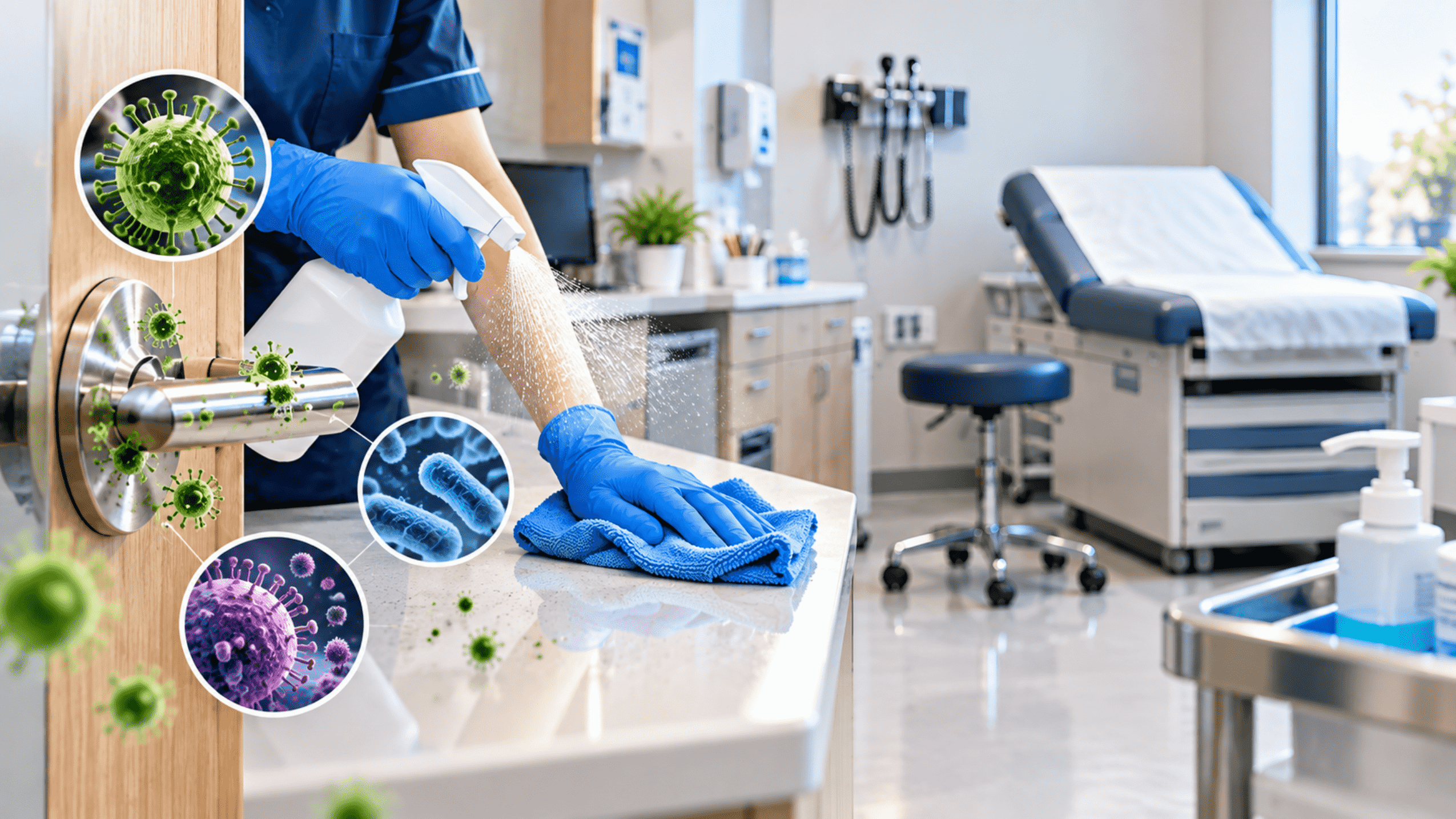
Medical offices require a higher level of cleaning and disinfection than many commercial spaces. Because patients, visitors, and staff frequently share rooms and touch common surfaces, proper medical office sanitation is essential to maintaining a clean environment.

Common cleaning mistakes, such as overlooking high-touch areas, using products incorrectly, or following inconsistent cleaning routines, can weaken infection control in medical offices. Proper cleaning procedures can help support infection prevention in healthcare facilities.

Professional medical office cleaning services in Knoxville can provide trained cleaning teams and consistent procedures to maintain healthcare environments. At Cherokee Cleaning Company, we provide affordable cleaning solutions tailored to the needs of medical and commercial facilities.

Why Proper Medical Office Cleaning Matters

Medical offices experience continuous movement throughout the day. Patients enter reception areas, sit in waiting rooms, use restrooms, visit examination rooms, and interact with staff and shared equipment. Because many people may touch the same surfaces, routine cleaning must be consistent and methodical.

Waiting room chairs, reception counters, door handles, examination tables, faucets, light switches, and frequently handled equipment can require regular attention. Simply making an office appear clean does not necessarily provide effective medical office disinfection. Cleaning removes dirt and organic material, while disinfection uses appropriate products and procedures to reduce harmful microorganisms on surfaces.

Strong cleaning procedures form an important part of broader infection control in medical offices. By combining appropriate cleaning methods with consistent schedules, staff training, and documented procedures, we can support infection prevention in healthcare environments while maintaining a professional setting for patients and employees.

Cleaning vs. Sanitizing vs. Disinfecting

Cleaning involves physically removing dirt, dust, debris, and organic material from surfaces. It is an essential first step because soil and debris can interfere with the effectiveness of some disinfecting processes.

Sanitizing reduces microorganisms on surfaces to levels considered safer according to applicable standards or product directions. It is not necessarily intended to eliminate all microorganisms.

Disinfecting involves using an appropriate chemical product and application procedure to destroy or inactivate many harmful microorganisms on surfaces. Proper product selection, application, and required contact time are important for effective disinfection.

7 Common Medical Office Cleaning Mistakes

Avoiding common medical office cleaning mistakes requires consistent procedures, suitable products, proper cleaning techniques, trained personnel, and attention to both visible and overlooked surfaces.

1. Cleaning High-Touch Surfaces Too Infrequently

One of the most common medical office cleaning mistakes is failing to clean frequently touched surfaces often enough. These surfaces may be handled repeatedly by patients, visitors, healthcare workers, and administrative staff throughout the day.

Common examples include:

  • Door handles and knobs
  • Light switches
  • Reception counters
  • Waiting room chairs and armrests
  • Examination tables
  • Faucet handles
  • Shared keyboards and devices
  • Medical equipment controls
  • Cabinet and drawer handles
  • Phones and other shared office equipment

A surface does not have to look dirty to require attention. High-touch areas can accumulate contamination through repeated contact even when they appear visually clean.

Effective medical office sanitation should identify high-touch surfaces and establish appropriate cleaning frequencies based on patient volume, room usage, and facility requirements. We can use room-specific checklists to ensure these areas receive consistent attention rather than relying only on visual inspections.

2. Using the Wrong Cleaning or Disinfecting Products

Not every cleaning product is appropriate for use in a healthcare environment. Selecting a product simply because it claims to clean a surface may not provide the level of disinfection required for a particular setting.

We should select cleaning and disinfecting products according to manufacturer instructions, facility requirements, surface compatibility, and the intended application. Product labels provide important information about dilution, application methods, required contact time, storage, and safety precautions.

Incorrect dilution can affect product performance, while wiping a disinfectant away before the required contact time may prevent it from working as intended. Using products on incompatible surfaces can also cause damage.

Proper medical office disinfection requires more than having disinfectants available. Cleaning personnel need to understand how and where products should be used, how long surfaces must remain appropriately wet when required, and what precautions should be followed during application. These practices support stronger infection control in medical offices.

3. Cleaning in the Wrong Order

Cleaning technique matters just as much as cleaning frequency. An ineffective sequence can move contaminants from one area to another rather than systematically removing them.

We generally work from cleaner areas toward areas that are more contaminated and from higher surfaces toward lower surfaces. This approach helps prevent debris and contaminants from falling onto areas that have already been cleaned.

Cleaning personnel should also use appropriate tools for different areas and avoid transferring the same materials between patient spaces without proper management. Equipment and supplies used in one room should not automatically be reused in another room if doing so could contribute to cross-contamination.

Why Cleaning Order Matters for Infection Prevention

A systematic cleaning sequence supports infection prevention in healthcare by reducing unnecessary movement of contaminants. When cleaning procedures are standardized, staff can follow the same process consistently rather than relying on individual habits.

This becomes especially important when multiple examination rooms, treatment spaces, restrooms, and shared areas must be cleaned during the same service period.

4. Reusing Cleaning Cloths and Equipment Without Proper Management

Using the same cleaning cloth, mop head, or other material across multiple areas without appropriate management can create cross-contamination concerns. A material that has already been used on one surface may transfer contaminants to another surface if it is reused incorrectly.

We should establish procedures for changing, laundering, disposing of, and storing cleaning materials. Depending on the facility and task, dedicated materials may be appropriate for particular rooms or surfaces.

Mop heads and reusable cloths should be handled according to established procedures rather than being repeatedly reused throughout the facility. Cleaning equipment should also be stored in a way that prevents clean materials from becoming contaminated.

A professional medical facility cleaning service can help establish structured equipment-management procedures so cleaning personnel understand when supplies need to be replaced, cleaned, laundered, or discarded.

5. Ignoring Less Obvious High-Touch Areas

Visible dirt often attracts attention, but many important touchpoints may look completely clean. Phones, keyboards, drawer handles, push plates, armrests, and medical equipment controls can be overlooked during routine cleaning.

Examples of less obvious touchpoints include:

  • Computer keyboards
  • Phones
  • Door push plates
  • Drawer handles
  • Cabinet handles
  • Chair armrests
  • Equipment controls
  • Waiting room tables
  • Shared pens and touchscreens
  • Faucet handles

A detailed cleaning checklist helps prevent these areas from being forgotten. We can identify surfaces according to how frequently they are touched and how they are used within each room.

Instead of focusing only on visible appearance, an effective cleaning program considers how people interact with the environment. This approach creates a more comprehensive sanitation routine.

6. Failing to Follow a Consistent Cleaning Schedule

Inconsistent cleaning can leave frequently touched surfaces untreated for longer than intended. A medical office may have different requirements for reception areas, restrooms, examination rooms, treatment spaces, staff areas, and other locations.

Cleaning frequencies should reflect room usage, patient volume, surface type, and facility procedures. High-traffic areas may require more frequent attention than spaces that are rarely occupied.

A documented schedule should clearly establish what needs to be cleaned, how often it should be cleaned, which procedures should be followed, and who is responsible for each task.

For facilities searching for medical office cleaning services near me, working with a professional provider can be a practical option when maintaining an internal cleaning schedule becomes difficult. Local cleaning providers can help facilities establish recurring service routines that align with their operational needs.

7. Overlooking Staff Training and Infection-Control Procedures

Even a detailed cleaning plan can be ineffective if cleaning personnel do not understand the procedures they are expected to follow. Training should address cleaning techniques, product handling, PPE requirements, cross-contamination prevention, equipment management, and product labels.

Personnel should understand the difference between cleaning and disinfection and recognize the importance of following manufacturer instructions. Where a product requires a specific contact time, staff should know how that requirement affects the cleaning process.

Regular quality checks can also help identify missed areas or inconsistent practices. Refresher training can be useful when procedures, products, equipment, or facility requirements change.

Strong training is therefore an important part of infection control in medical offices. Consistent procedures become easier to maintain when every member of the cleaning team understands the same standards.

Interesting Read: How Do Medical Office Cleaning Services Help Reduce Infection Spread in Hospitals?

How to Improve Medical Office Sanitation and Disinfection

Improving medical office sanitation begins with creating clear, repeatable procedures. We can establish room-specific protocols that identify surfaces, cleaning methods, products, and required frequencies.

A practical approach includes:

  1. Create room-specific cleaning protocols for waiting rooms, examination rooms, restrooms, treatment areas, and other spaces.
  2. Identify high-touch surfaces and establish appropriate cleaning intervals.
  3. Follow manufacturer instructions for every cleaning and disinfecting product.
  4. Use dedicated cleaning materials where appropriate to help reduce cross-contamination.
  5. Establish documented cleaning frequencies based on room usage and patient traffic.
  6. Train cleaning personnel in chemical handling, PPE, cleaning techniques, and infection-control practices.
  7. Maintain cleaning logs to document completed tasks and identify missed services.
  8. Perform regular quality inspections to verify that established procedures are being followed.
  9. Review procedures periodically when patient volume, facility layout, equipment, or operational needs change.

Build a Consistent Infection Prevention Routine

A consistent routine helps make cleaning less dependent on individual memory or judgment. We can use checklists, schedules, training, inspections, and documentation to create repeatable procedures.

When these elements work together, cleaning personnel have clear expectations for maintaining patient-facing areas and frequently touched surfaces. Consistency can support a cleaner environment for patients, visitors, healthcare professionals, and administrative staff.

Interesting Read: Top 5 Simple Tips for Keeping Your Medical Office Clean and Healthy

When Should a Medical Office Consider Professional Cleaning Services?

A medical office may benefit from professional cleaning support when patient volume is high, multiple examination or treatment rooms require attention, or in-house personnel cannot maintain a consistent schedule.

Professional support can also be useful when a facility needs detailed cleaning records, specialized healthcare cleaning procedures, or additional quality-control processes.

A reliable medical office cleaning company can help establish recurring cleaning routines while allowing healthcare personnel to focus on their primary responsibilities. Facilities may also compare different medical office cleaning companies to find a provider with appropriate healthcare experience, trained personnel, and flexible scheduling.

For larger or more specialized facilities, commercial medical cleaning services can provide structured support for multiple areas and recurring cleaning requirements. Property management cleaning services can also help property managers maintain clean, safe, and well-maintained medical facilities by coordinating routine cleaning schedules, common-area maintenance, and facility-specific cleaning needs.

Choosing the Right Medical Office Cleaning Company in Knoxville

Selecting the right provider requires more than comparing prices. A medical office cleaning company should understand the specific demands of healthcare environments and provide consistent procedures that support sanitation and disinfection.

When evaluating a provider, we recommend considering:

  • Experience with healthcare environments
  • Training provided to cleaning professionals
  • Detailed cleaning and disinfection procedures
  • Consistent service schedules
  • Appropriate cleaning products and equipment
  • Quality-control and inspection processes
  • Flexible service options
  • Clear communication and documentation
  • Understanding of healthcare-specific cleaning requirements

A medical office cleaning company in Knoxville should be able to explain how its cleaning procedures address frequently touched surfaces, patient areas, restrooms, examination rooms, and other facility spaces.

Facilities searching for medical office cleaning services in Knoxville should also ask how schedules are developed and how completed work is monitored. A provider offering medical office cleaning should be prepared to adapt its service approach to the facility’s size, patient volume, room usage, and operational requirements.

How Cherokee Cleaning Company Supports Cleaner Medical Offices

Cherokee Cleaning Company provides professional cleaning services in Knoxville, TN, with support to help medical and commercial facilities maintain consistent cleaning routines. We focus on dependable service, careful attention to frequently touched areas, and structured cleaning procedures.

Medical offices can benefit from customized schedules that account for patient traffic, room usage, and facility requirements. We can also pay attention to commonly overlooked areas that may be missed during basic cleaning routines.

Our approach emphasizes consistency in sanitation and disinfection while helping facilities maintain a professional and orderly environment. By using established procedures and reliable scheduling, we help medical facilities maintain cleaning routines that support their broader infection-control practices.

For facilities seeking a dependable medical office cleaning service, professional cleaning support can make it easier to maintain consistent standards across patient-facing and staff areas.

Medical Office Cleaning Mistakes: Quick Checklist

A practical medical office cleaning checklist helps identify common mistakes and establish better practices for high-touch surfaces, disinfectant use, cleaning sequences, supplies, schedules, and staff training.


Cleaning Mistake Better Practice
Infrequent high-touch cleaning Establish regular cleaning intervals
Wrong disinfectant Follow product and facility requirements
Poor cleaning sequence Clean systematically
Reusing contaminated materials Use properly managed cleaning supplies
Ignoring hidden touchpoints Include them in cleaning checklists
Inconsistent schedules Maintain documented routines
Limited staff training Provide ongoing training and quality checks


Also Read: Building Cleaning Services Checklist

Keep Your Medical Office Cleaner and Better Prepared

Avoiding common cleaning mistakes is an important part of maintaining a clean and professionally managed medical environment. Consistent medical office sanitation, appropriate disinfection procedures, careful cleaning techniques, staff training, and documented schedules can help support broader infection-control practices. When internal resources are limited, professional cleaning support can provide the consistency needed across waiting rooms, examination areas, restrooms, treatment spaces, and high-touch surfaces.

Cherokee Cleaning Company is ready to support medical offices with dependable professional cleaning services in Knoxville. Contact Cherokee Cleaning Company at (865) 257-9854 to discuss your medical office cleaning needs.

FAQs About Medical Office Cleaning

How often should a medical office be cleaned?

Cleaning frequency depends on patient traffic, room usage, surface type, facility procedures, and the specific needs of the medical office. High-touch and frequently used areas generally require more consistent attention than low-traffic spaces.

What is the difference between medical office cleaning and regular commercial cleaning?

Medical office cleaning requires attention to healthcare-specific sanitation, disinfection, cross-contamination prevention, cleaning sequences, and product procedures. General commercial cleaning may not address the same healthcare-related requirements.

Why is disinfection important in a medical office?

Disinfection helps reduce harmful microorganisms on appropriate surfaces when the correct products and procedures are used. It is an important component of broader cleaning and infection-control practices within healthcare environments.

What surfaces should be cleaned most frequently in a medical office?

High-touch surfaces can include door handles, light switches, reception counters, chair armrests, examination tables, faucet handles, shared equipment, keyboards, phones, and frequently handled medical equipment controls.

Can improper cleaning increase infection risks?

Improper cleaning practices can contribute to cross-contamination or leave frequently touched surfaces inadequately treated. Using the wrong products, incorrect procedures, poor cleaning sequences, or inconsistent schedules can reduce cleaning effectiveness.

What should I look for in a medical office cleaning company?

Look for healthcare cleaning experience, trained personnel, documented procedures, appropriate products and equipment, consistent scheduling, quality inspections, clear communication, and an understanding of healthcare-specific cleaning requirements.

Do medical offices need specialized cleaning services?

The appropriate level of cleaning depends on the facility and its operations. Medical offices can benefit from providers familiar with healthcare environments, particularly when they need consistent disinfection procedures, detailed schedules, trained personnel, and quality-control processes.

How can professional cleaning services support infection prevention in healthcare?

Professional cleaning services can support established infection-control routines through consistent cleaning schedules, trained personnel, appropriate products, detailed checklists, high-touch surface cleaning, equipment management, and quality inspections.

Commercial Cleaning for Health and Safety

How Commercial Cleaning Services Support Health and Safety Compliance

Maintaining a clean workplace is an essential part of protecting employees, customers, patients, and visitors. Professional commercial cleaning services help businesses maintain hygienic facilities, reduce avoidable safety hazards, and establish consistent cleaning practices that support workplace health and safety expectations. At Cherokee Cleaning Company, we provide dependable cleaning solutions designed around the needs of commercial facilities throughout the Knoxville area.

A clean facility involves much more than making surfaces look presentable. Regular cleaning helps address dirt, dust, spills, waste, germs, and frequently touched surfaces that can affect the overall workplace environment. By combining structured cleaning schedules, appropriate sanitation procedures, trained personnel, and facility-specific cleaning plans, businesses can create safer and healthier spaces while maintaining a professional appearance.

Why Cleaning Matters for Workplace Health and Safety

Workplace cleanliness directly affects how safely and comfortably people can use a facility. Employees spend significant amounts of time in offices, break rooms, restrooms, hallways, and shared spaces. Customers and visitors also interact with entrances, reception areas, seating, doors, counters, and other commonly touched surfaces.

1. Reducing Germs and Contamination

Frequently touched surfaces can accumulate dirt and microorganisms throughout the day. Door handles, light switches, elevator buttons, keyboards, counters, faucets, restroom fixtures, and shared equipment may receive repeated contact from different individuals.

Regular cleaning and appropriate disinfection help reduce the accumulation of contaminants on these surfaces. Commercial cleaning services can establish routines that focus on areas with frequent contact and higher cleaning needs, helping businesses maintain a consistently hygienic environment.

2. Preventing Slips, Trips, and Falls

Floor conditions are another important aspect of workplace safety. Dust, debris, spilled liquids, tracked-in moisture, and improperly maintained flooring can contribute to slip and trip hazards.

Routine floor cleaning helps remove debris and maintain cleaner walking surfaces. Prompt attention to spills is particularly important in entrances, kitchens, restrooms, hallways, and other areas where moisture or liquids may be present.

3. Maintaining Hygienic Shared Spaces

Shared spaces require consistent attention because many people use them throughout the day. Break rooms, conference rooms, kitchens, reception areas, restrooms, and common areas can quickly become untidy without a structured cleaning routine.

Professional cleaning helps maintain these spaces through regular surface cleaning, waste removal, restroom sanitation, floor care, and attention to high-touch points.

4. Supporting a Healthier Workplace Environment

A well-maintained workplace can contribute to a more comfortable environment for employees and visitors. Regular removal of dust, dirt, trash, and accumulated debris helps maintain cleaner indoor spaces while supporting the overall condition of the facility.

A structured approach also makes it easier for businesses to identify areas that require additional attention instead of relying on occasional or inconsistent cleaning.

How Commercial Cleaning Services Support Compliance

Health and safety compliance involves maintaining appropriate workplace practices, and cleaning can form an important part of those practices. While specific requirements vary according to the type of facility and applicable regulations, professional cleaning services can help businesses establish consistent processes for maintaining sanitary and safe environments.

1. Consistent Cleaning Schedules

Consistency is one of the most important advantages of professional cleaning. Instead of cleaning only when a facility appears dirty, businesses can establish daily, weekly, or periodic cleaning schedules based on their operational needs.

High-traffic facilities may require more frequent attention than smaller offices. A customized schedule can account for occupancy, operating hours, facility size, industry requirements, and areas that experience heavier use.

2. Proper Sanitation Procedures

Effective sanitation requires more than simply wiping visible dirt from a surface. Cleaning procedures should be appropriate for the surface, environment, and type of contamination being addressed.

Professional cleaners can follow established procedures for restrooms, kitchens, common areas, high-touch surfaces, floors, and other facility zones. This systematic approach helps create more consistent cleaning results.

3. Safe Handling of Cleaning Chemicals

Cleaning products should be handled, stored, and used responsibly. Professional cleaning teams can follow product instructions and established workplace safety procedures when working with cleaning chemicals.

Appropriate labeling, storage, dilution, application, and handling practices can help reduce unnecessary exposure and prevent improper use of cleaning products.

4. Waste Management

Regular trash removal helps prevent unpleasant odors, overflowing waste containers, pest concerns, and unsanitary conditions. Commercial cleaning teams can incorporate waste collection into routine service schedules.

Restrooms, break rooms, kitchens, work areas, and common spaces can all generate different types and volumes of waste. A planned waste-management routine helps keep these areas orderly throughout the workweek.

5. Documentation and Cleaning Checklists

Cleaning checklists can provide structure and accountability. They can identify specific areas that need to be cleaned, the frequency of service, and tasks that require special attention.

For facilities with specialized requirements, documented procedures can also help management communicate expectations clearly and maintain consistency between cleaning visits.

6. Attention to High-Touch Surfaces

High-touch areas deserve particular attention because they are repeatedly contacted throughout the day. Depending on the facility, these may include door handles, railings, switches, faucets, counters, elevator controls, shared equipment, and other frequently touched surfaces.

Including these points within routine cleaning procedures helps ensure that important areas are not overlooked.

Key Areas That Require Regular Cleaning

Every facility has different cleaning priorities, but several areas generally require consistent attention.

1. Offices and Workstations

Workstations can accumulate dust, fingerprints, crumbs, paper debris, and other contaminants. Shared desks, conference tables, chairs, telephones, common equipment, and surrounding surfaces may require regular cleaning.

Cleaning schedules can be structured to minimize disruption while keeping work areas presentable and hygienic.

2. Restrooms

Restrooms require frequent and thorough cleaning because they experience regular use throughout the day. Cleaning may include toilets, sinks, faucets, mirrors, dispensers, floors, partitions, touchpoints, and waste containers.

Consistent restroom sanitation is essential for maintaining both hygiene and a positive impression of the facility.

3. Break Rooms and Kitchens

Food preparation and eating areas require careful cleaning to prevent the buildup of food residue, grease, crumbs, and waste. Counters, tables, sinks, appliances, floors, and frequently touched surfaces should be included in appropriate cleaning routines.

Regular attention also helps keep shared spaces more comfortable for employees.

4. Entrances and Common Areas

Entrances often receive substantial foot traffic and can collect dirt, moisture, leaves, and debris brought in from outside. Reception areas, waiting spaces, hallways, elevators, stairways, and other common areas may also require frequent cleaning.

Maintaining these areas helps create a cleaner first impression while addressing potential safety concerns associated with debris and tracked-in moisture.

5. Floors and High-Touch Surfaces

Floor care should be matched to the type of flooring installed in the facility. Vacuuming, sweeping, mopping, spot cleaning, and periodic deep cleaning may all be appropriate depending on the environment.

High-touch surfaces should also be incorporated into routine cleaning plans rather than treated as an afterthought.

The Role of Professional Cleaning Services

Businesses looking for cleaning services in Knoxville, TN can benefit from working with a provider that understands the practical requirements of commercial facilities. Every business operates differently, so a useful cleaning plan should reflect the building’s size, layout, traffic patterns, operating schedule, and specific cleaning priorities.

Commercial cleaning Knoxville businesses rely on should provide dependable routines rather than inconsistent service. Professional cleaners can work around business hours and establish cleaning frequencies that help maintain facilities without unnecessarily interrupting employees, customers, or daily operations.

With professional cleaning services in Knoxville, TN, businesses can establish customized cleaning programs for offices, retail facilities, professional environments, healthcare settings, and other commercial properties. A facility-specific approach helps ensure that frequently used areas receive appropriate attention while less frequently used spaces are still maintained according to schedule.

How Janitorial Services Help Maintain a Safer Workplace

Reliable janitorial services in Knoxville, TN can support everyday facility maintenance through a combination of routine cleaning and ongoing upkeep. Janitorial work often includes tasks that are essential to keeping commercial environments orderly and functional.

Regular services may include:

  • Restroom cleaning and sanitation
  • Trash and recycling removal
  • Vacuuming and sweeping
  • Mopping and floor maintenance
  • Dusting and surface cleaning
  • Cleaning entrances and common areas
  • High-touch surface cleaning
  • Break room and kitchen cleaning
  • Spot cleaning
  • Periodic deep-cleaning tasks

A structured janitorial program reduces the likelihood that important routine tasks will be forgotten. Instead of addressing cleaning needs only after they become noticeable, businesses can maintain a predictable schedule that supports the ongoing condition of the facility.

Professional cleaning services can also be adjusted as a business’s needs change. Seasonal traffic, special events, staffing changes, renovations, and changes in operating hours may all affect the appropriate cleaning frequency.

Interesting Read: The Importance of Janitorial Services for a Clean and Professional Workplace

Medical Office Cleaning Requires Extra Attention

Healthcare environments require a particularly careful approach to cleanliness. Medical office cleaning services should account for patient traffic, waiting areas, treatment spaces, restrooms, reception areas, staff spaces, and frequently touched surfaces.

Medical offices may experience continuous movement between patients, employees, and visitors. As a result, cleaning routines should be organized around the facility’s operational requirements and the appropriate sanitation procedures for each area.

High-touch surfaces such as door handles, reception counters, chairs, switches, faucets, and other commonly contacted points should receive appropriate attention. Waiting rooms also require regular cleaning because they may experience frequent turnover throughout the day.

Restrooms and staff areas require consistent sanitation as well. By developing a cleaning plan specifically for the medical environment, professional cleaning teams can help maintain a consistently hygienic setting while working within the facility’s schedule.

Healthcare facilities should also ensure that their cleaning program aligns with applicable regulations, infection-control policies, and facility-specific requirements. Professional cleaning supports these efforts but does not replace the facility’s own regulatory or clinical responsibilities.

Interesting Read: How to Choose the Right Cleaning Products for Your Office

Benefits of Working With a Professional Cleaning Company

Hiring a professional cleaning provider can offer several practical advantages for businesses.

  • Consistent Cleaning Standards

A professional service can establish defined routines and cleaning standards so that essential tasks are performed regularly. Consistency is especially valuable for larger facilities or businesses with multiple work areas.

  • Reduced Workplace Health Risks

Regular cleaning helps address accumulated dirt, waste, spills, and frequently touched surfaces. While cleaning cannot eliminate every workplace health risk, maintaining hygienic surroundings is an important component of responsible facility management.

  • Better Facility Appearance

Clean floors, organized common areas, sanitary restrooms, and well-maintained workspaces create a professional appearance. This can influence the experience of employees, customers, clients, patients, and visitors.

  • More Productive Employees

Employees can work more comfortably in an organized and well-maintained environment. Removing routine cleaning responsibilities from employees can also allow them to focus on their primary responsibilities.

  • Professional Equipment and Cleaning Methods

Commercial cleaning providers have access to equipment and products suited to different surfaces and facility requirements. Professional methods can provide more thorough results than basic cleaning performed with limited equipment.

  • Flexible Cleaning Schedules

Businesses may need cleaning before opening, after closing, during low-traffic periods, or on specific days of the week. A flexible cleaning schedule can help maintain the facility while reducing interference with normal business activities.

Interesting Read: The Benefits of Hiring a Professional Commercial Cleaning Company

Choosing the Right Commercial Cleaning Provider

Selecting a cleaning company should involve more than comparing prices. Businesses should consider whether the provider can deliver reliable service, appropriate procedures, trained staff, and communication that fits the facility’s requirements.

1. Experience

Look for a provider with experience cleaning commercial environments similar to your facility. Different industries can have different cleaning priorities, so relevant experience can be valuable.

2. Cleaning Procedures

Ask how cleaning tasks are organized and whether the company uses structured procedures for common areas, restrooms, floors, high-touch surfaces, and specialized spaces.

3. Staff Training

Cleaning personnel should understand appropriate equipment use, product handling, workplace safety practices, and the cleaning procedures expected for the facility.

4. Scheduling Flexibility

The cleaning schedule should work with business operations. A provider should be able to discuss cleaning frequencies and service times that minimize disruption.

5. Safety Practices

Responsible chemical handling, equipment operation, waste removal, and cleaning procedures should be part of the provider’s overall approach.

6. Communication

Clear communication makes it easier to address changing priorities, special requests, missed tasks, and facility-specific concerns. A dependable provider should make it straightforward for businesses to communicate their needs.

7. Facility-Specific Requirements

A successful cleaning plan should account for the actual facility rather than relying on a one-size-fits-all checklist. Floor types, occupancy, traffic, restrooms, kitchens, entrances, medical areas, and other spaces may require different approaches.

How Cherokee Cleaning Company Supports Cleaner, Safer Workplaces

At Cherokee Cleaning Company, we focus on providing reliable cleaning solutions that support the everyday needs of businesses throughout the Knoxville area. We understand that commercial cleaning is part of maintaining a facility, not simply an occasional task performed when a building becomes visibly dirty.

We can develop customized cleaning plans around the size, layout, schedule, traffic level, and priorities of each facility. Our approach emphasizes consistent service and attention to the areas that matter most to employees, customers, patients, and visitors.

Our cleaning routines can include offices, workstations, restrooms, break rooms, entrances, common areas, floors, high-touch surfaces, and other areas identified during the planning process. We can also adapt cleaning schedules around normal business operations to minimize disruption.

For businesses seeking commercial cleaning in Knoxville services, a dependable cleaning routine can make facility maintenance easier to manage. Instead of leaving cleaning responsibilities to employees or addressing problems only when they become noticeable, businesses can establish a professional service schedule that supports consistent cleanliness.

We also recognize that different facilities require different levels of attention. An office, medical practice, retail facility, and high-traffic commercial building may have very different cleaning requirements. Our professional approach allows cleaning plans to be structured around the facility rather than forcing every business into the same routine.

Interesting Read: The Importance of Disinfection in Commercial Cleaning: Ensuring a Safe and Healthy Workspace

Conclusion

Commercial cleaning services are important for maintaining cleaner, safer, and more professional workplaces. Regular attention to restrooms, floors, entrances, workstations, break rooms, high-touch surfaces, waste, and common areas helps businesses address everyday cleanliness and safety concerns before they become larger problems.

A consistent cleaning schedule can also make facility management more predictable. With appropriate cleaning procedures, responsible product handling, routine waste removal, documented checklists, and trained cleaning personnel, businesses can establish a stronger foundation for workplace hygiene and safety.

For businesses throughout Knoxville, choosing dependable professional cleaning services in Knoxville, TN can provide the consistency needed to maintain commercial facilities effectively. Cherokee Cleaning Company provides customized cleaning solutions designed around individual facility requirements, helping businesses maintain cleaner environments while supporting the health, safety, and comfort of the people who use them. Schedule commercial cleaning services with Cherokee Cleaning Company to create a reliable cleaning routine tailored to your facility’s needs. 

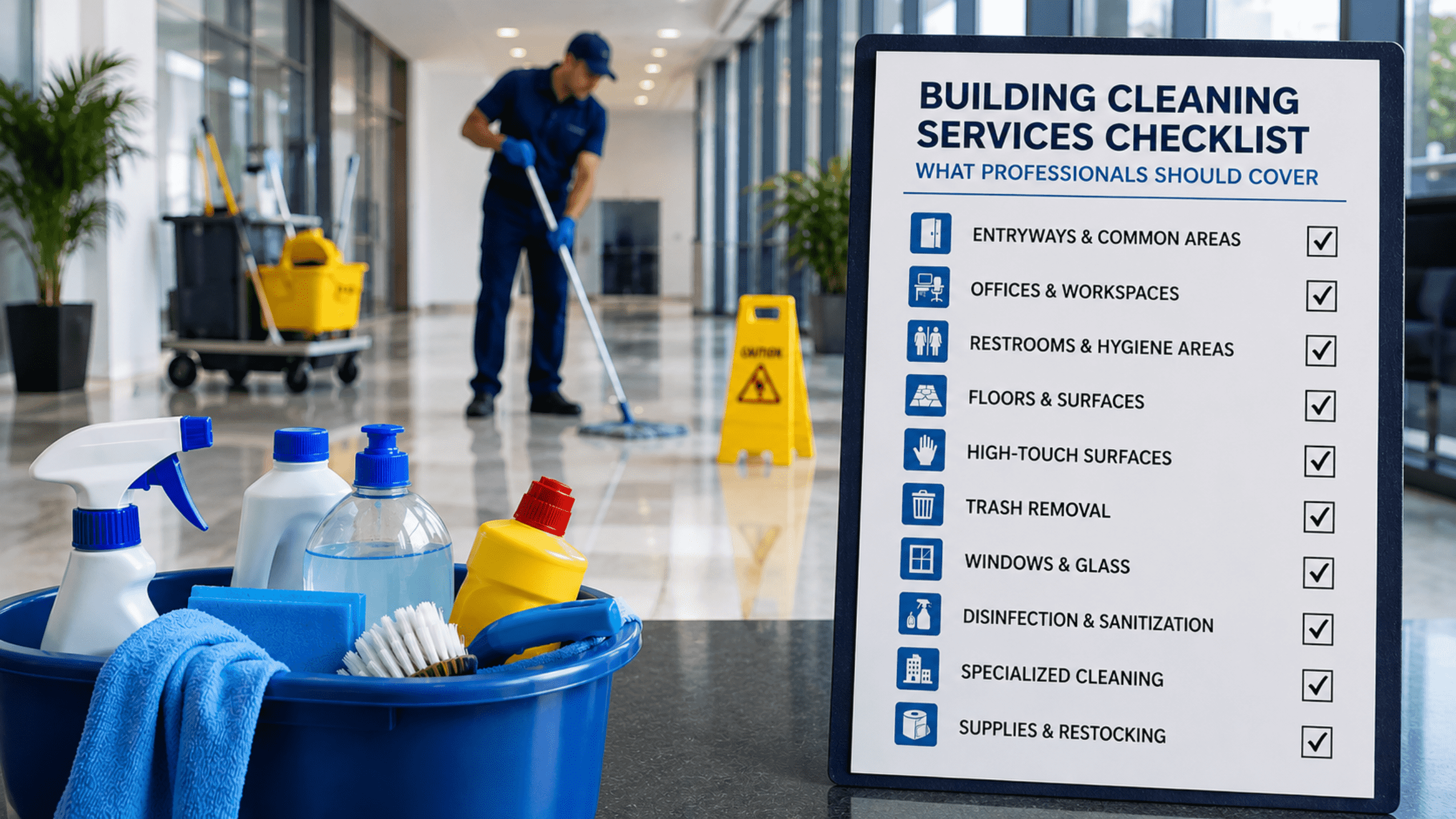
Building Cleaning Services Checklist

Building Cleaning Services Checklist: What Professionals Should Cover

A detailed building cleaning checklist helps commercial facilities maintain cleanliness, hygiene, safety, appearance, and consistent service quality. We use structured cleaning plans to ensure important areas are addressed based on facility needs, traffic levels, and cleaning frequency. For businesses seeking Building Cleaning Services in Knoxville, TN, a professional checklist provides a practical way to understand what should be included in a reliable cleaning program.

What Should a Professional Building Cleaning Services Checklist Include?

A professional building cleaning checklist should cover every area that employees, customers, visitors, and facility staff regularly use. We organize cleaning responsibilities according to location, cleaning frequency, surface type, traffic level, and facility requirements.

A complete checklist should identify routine tasks as well as periodic deep-cleaning requirements. This approach helps our teams maintain consistent standards while reducing the possibility of overlooked areas. Professional building cleaning services may include general cleaning, sanitation, floor care, restroom maintenance, waste removal, high-touch surface disinfection, and specialized cleaning.

1. Entryways, Lobbies, and Common Areas

Entryways and lobbies create an immediate impression of a business, so we give these high-traffic areas consistent attention. Our checklist can include:

  • Dusting and wiping accessible surfaces
  • Cleaning entry doors and glass surfaces
  • Removing fingerprints, dirt, and debris
  • Vacuuming carpets and entrance mats
  • Sweeping and mopping hard floors
  • Emptying trash containers and replacing liners
  • Cleaning reception areas and waiting spaces
  • Maintaining visible high-touch surfaces
  • Removing cobwebs from accessible areas

Because dirt is frequently tracked inside through entrances, these areas may require more frequent attention than lower-traffic spaces.

2. Restrooms and Hygiene Areas

Restrooms require careful cleaning because they are essential to workplace hygiene and visitor comfort. We focus on both visible cleanliness and appropriate sanitation.

A professional restroom checklist may include:

  • Cleaning and disinfecting toilets and urinals
  • Cleaning sinks, faucets, counters, and fixtures
  • Cleaning mirrors and other glass surfaces
  • Sweeping and mopping restroom floors
  • Disinfecting frequently touched surfaces
  • Restocking soap and paper products
  • Emptying waste containers
  • Checking odor control
  • Cleaning partitions and accessible surfaces

Regular restroom maintenance helps facilities remain clean, presentable, and comfortable throughout the workday.

3. Offices and Workspaces

Office cleaning should maintain a professional environment without unnecessarily disturbing employees or their personal belongings. We focus on accessible surfaces and areas that can collect dust, dirt, and everyday debris.

Typical tasks include:

  • Dusting desks, furniture, shelves, and accessible surfaces
  • Vacuuming carpets
  • Sweeping and mopping hard floors
  • Cleaning high-touch areas
  • Emptying waste bins
  • Cleaning doors and handles
  • Maintaining a presentable workspace
  • Removing visible dust and debris

Cleaning schedules can be adjusted around business hours to minimize disruption to employees and daily operations.

Cleaning Services for Office Buildings

Office buildings have different cleaning requirements depending on their size, occupancy, layout, and operating hours. Cleaning services for office buildings in Knoxville, TN should provide a combination of daily maintenance, weekly detail work, and periodic deep cleaning.

Daily service may focus on restrooms, trash removal, floors, common areas, and frequently touched surfaces. Weekly services can address detailed dusting, carpet spot treatment, and areas that receive less frequent attention.

Periodic cleaning may include carpet extraction, interior glass cleaning, upholstery care, detailed floor maintenance, and hard-to-reach areas. We can build cleaning schedules around the facility’s actual requirements rather than applying the same routine to every building.

Building Cleaning Services: Key Areas Professionals Cover

Comprehensive building cleaning services should extend beyond basic dusting and vacuuming. Commercial properties require coordinated cleaning throughout entrances, offices, restrooms, break rooms, hallways, floors, and shared spaces.

We assess the facility to determine which areas require daily attention and which can be maintained weekly or periodically. This creates a more practical cleaning plan while helping businesses maintain consistent standards.

Floors, Carpets, and Hard Surfaces

Floor maintenance is one of the most visible parts of commercial cleaning. We typically include:

  • Vacuuming carpets and rugs
  • Sweeping hard floors
  • Mopping appropriate surfaces
  • Spot cleaning spills and stains
  • Cleaning entrance mats
  • Maintaining high-traffic areas
  • Performing periodic carpet care
  • Conducting deeper floor cleaning when required

Different flooring materials require different cleaning approaches. A professional team should select suitable equipment and cleaning products based on the surface.

High-Touch Surfaces

Frequently touched surfaces can accumulate dirt and require regular attention. Depending on the facility, our checklist may include:

  • Door handles and push plates
  • Light switches
  • Elevator buttons
  • Handrails
  • Countertops
  • Shared equipment
  • Frequently touched fixtures

High-touch cleaning should be incorporated into the facility’s routine rather than treated as an occasional task.

Specialized Cleaning for Different Commercial Properties

Every commercial property has its own operational requirements. A corporate office, industrial facility, financial institution, property management portfolio, and medical office cannot always follow an identical cleaning schedule.

Our commercial building cleaning services can be organized around the property’s layout, occupancy, traffic patterns, operating hours, and cleaning expectations.

1. Business Cleaning Services

Business facilities need cleaning that supports both employees and visitors. Business cleaning services in Knoxville can cover offices, reception areas, conference rooms, restrooms, break rooms, hallways, and other shared spaces.

We can establish flexible schedules based on business operations. Consistent cleaning helps businesses maintain a professional appearance while keeping routine maintenance organized.

2. Industrial Cleaning Services

Industrial environments can involve larger spaces, heavier traffic, equipment areas, storage zones, and demanding floor-cleaning requirements. Our cleaning plans can focus on floors, common areas, high-traffic zones, and designated equipment areas while keeping appropriate safety practices in mind.

The Industrial Cleaning Services process should consider the facility’s operational environment and avoid interfering with normal business activities.

3. Property Management Cleaning

Property managers often need reliable cleaning across multiple buildings or shared areas. Property management cleaning may include lobbies, hallways, elevators, restrooms, vacant spaces, common areas, and turnover cleaning.

A standardized checklist helps maintain consistent expectations across different properties while allowing individual buildings to receive customized attention.

4. Financial Institution Cleaning

Financial institutions depend heavily on a polished and well-maintained environment. Cleaning can include customer-facing areas, waiting spaces, offices, employee areas, restrooms, floors, and high-touch surfaces.

We can provide Financial Institution Cleaning services around the institution’s operating hours to minimize disruption to employees and customers. 

5. Medical Office Cleaning Services

Medical environments require particularly careful cleaning practices because hygiene is a major operational consideration. Medical office cleaning Services can include waiting rooms, offices, restrooms, common areas, floors, and frequently touched surfaces.

Cleaning procedures should be appropriate for the facility and its specific requirements. A professional provider should understand the importance of consistent sanitation, appropriate products, and careful cleaning practices.

Interesting Read: Understanding the Different Types of Commercial Cleaning Services

Daily, Weekly, and Periodic Building Cleaning Checklist

Cleaning frequency has a direct effect on how consistently a commercial facility looks and functions. We divide tasks into daily, weekly, and periodic categories to make the cleaning program easier to manage.

1. Daily Cleaning Tasks

Daily cleaning commonly includes:

  • Removing trash and replacing liners
  • Cleaning and maintaining restrooms
  • Vacuuming or maintaining floors
  • Cleaning high-touch surfaces
  • Cleaning entrances and common areas
  • Maintaining break rooms
  • Addressing visible spills and debris

2. Weekly Cleaning Tasks

Weekly tasks can provide more detailed maintenance, including:

  • Detailed dusting
  • Deep restroom cleaning
  • Carpet spot treatment
  • Cleaning less frequently touched surfaces
  • Detailed cleaning of corners and edges
  • Additional break room maintenance

3. Periodic Deep Cleaning Tasks

Periodic services can address areas that daily cleaning cannot fully maintain. These may include:

  • Carpet and upholstery cleaning
  • Interior glass cleaning
  • Floor deep cleaning
  • Detailed cleaning of hard-to-reach areas
  • Thorough sanitation of designated areas
  • Deep cleaning of high-traffic surfaces

The exact frequency should depend on the property’s use, traffic, flooring, occupancy, and operational requirements.

What to Look for in a Building Cleaning Company

Choosing a building cleaning company involves more than comparing basic service lists. We recommend evaluating whether the provider can create a cleaning program that matches the property’s actual requirements.

Important considerations include:

  • Experience with commercial properties
  • Trained cleaning professionals
  • Customized cleaning plans
  • Reliable scheduling
  • Quality control and inspections
  • Appropriate cleaning equipment and products
  • Experience with different facility types
  • Clear communication
  • Consistent service standards
  • Ability to adjust services as facility needs change

Professional cleaning services should provide a clear understanding of what will be cleaned, how often tasks will be completed, and how quality will be monitored.

Why a Professional Building Cleaning Checklist Matters

A structured checklist gives cleaning teams a consistent framework to follow. It also gives businesses a practical way to review whether essential areas are being maintained.

The benefits can include more consistent cleaning quality, a better workplace appearance, improved hygiene, fewer missed tasks, easier quality monitoring, and a better experience for employees, customers, and visitors.

A checklist can also make communication easier. When cleaning responsibilities are documented clearly, businesses and cleaning teams have a shared understanding of expected services.

How Cherokee Cleaning Company Can Help

At Cherokee Cleaning Company, we understand that every commercial property has different cleaning requirements. We can develop customized cleaning solutions for buildings based on their size, layout, traffic, operating schedule, and specific service needs.

Our approach can support building cleaning, office cleaning, business facilities, industrial environments, property management locations, financial institutions, and medical offices. We focus on creating practical cleaning schedules that cover important areas consistently without applying unnecessary services.

For businesses looking for cleaning services in Knoxville, TN, a customized checklist can help establish clear expectations and maintain reliable service standards. We can tailor cleaning routines around daily maintenance, weekly detail work, and periodic deep-cleaning needs.

Conclusion

A professional Building Cleaning Services checklist should cover more than visible dust and debris. Entryways, lobbies, offices, restrooms, floors, carpets, break rooms, high-touch surfaces, and shared spaces all require appropriate attention.

We believe effective commercial cleaning starts with a clear plan that matches the facility’s specific needs. By selecting a reliable cleaning partner with trained professionals, appropriate equipment, flexible scheduling, and quality-control procedures, businesses can maintain cleaner and more presentable environments.

Cherokee Cleaning Company can help businesses establish customized cleaning programs designed around their facility and operating requirements. Contact us today to discuss your building’s cleaning needs and create a professional cleaning plan that works for your property.

Frequently Asked Questions

1. What should be included in a professional building cleaning checklist?

A professional checklist should cover entrances, lobbies, offices, restrooms, floors, carpets, common areas, high-touch surfaces, trash removal, break rooms, and periodic deep-cleaning tasks based on the property’s needs.

2. How often should a commercial building be cleaned?

Most commercial buildings benefit from daily routine cleaning, with additional weekly and periodic services. The ideal frequency depends on building size, occupancy, traffic, business type, and specific hygiene requirements.

3. What areas should be cleaned every day in an office building?

Daily cleaning commonly includes restrooms, trash containers, entrances, common areas, floors, break rooms, and frequently touched surfaces. Offices and workspaces can be serviced according to the building’s schedule and usage.

4. Do professional cleaning companies provide customized checklists?

Yes. A professional cleaning company can develop a checklist based on the facility’s layout, operating hours, traffic levels, flooring, occupancy, and cleaning priorities rather than using the same schedule for every commercial property.

5. What is included in periodic deep cleaning?

Periodic deep cleaning may include carpet and upholstery cleaning, interior glass cleaning, detailed floor care, hard-to-reach areas, detailed sanitation, and other tasks that are not necessary during every routine cleaning visit.

6. How do cleaning checklists improve commercial cleaning quality?

A checklist helps cleaning teams follow consistent procedures, reduces missed tasks, clarifies responsibilities, and makes quality inspections easier. It also allows businesses to monitor whether important areas receive appropriate attention.

7. How can businesses choose the right building cleaning company in Knoxville?

Businesses should consider commercial cleaning experience, trained staff, customized plans, reliable scheduling, quality control, appropriate equipment, facility-specific experience, and the provider’s ability to adapt services as cleaning requirements change.

Commercial Cleaning Services for Office

How to Choose Reliable Commercial Cleaning Services for Your Office

A clean office is more than an attractive workspace. It reflects your company’s professionalism, protects employee health, enhances productivity, and creates a welcoming environment for clients and visitors. Every detail, from spotless floors to sanitized workstations, contributes to a positive business image and a healthier workplace.

Choosing the right commercial cleaning services is one of the most important investments a business can make. A dependable cleaning provider ensures consistent cleanliness, helps maintain compliance with workplace hygiene standards, and allows your team to focus on daily operations without worrying about maintenance.

In this guide, we explain how to identify a trustworthy commercial cleaning company, what qualities to prioritize, the questions to ask before hiring, and how professional office cleaning services help your business operate efficiently while maintaining the highest standards of cleanliness.

Why Hiring Professional Commercial Cleaning Services Matters

Professional cleaning delivers far more than a neat appearance. Businesses that partner with experienced professional commercial cleaners benefit from healthier environments, improved efficiency, and long-term cost savings.

1. Creates a Healthier Workplace

Dust, bacteria, allergens, and viruses accumulate on desks, keyboards, conference tables, and shared equipment every day. Regular commercial office cleaning significantly reduces harmful contaminants and promotes a healthier environment for employees and visitors.

2. Improves Employee Productivity

Employees perform better in organized and sanitized workplaces. A clutter-free office reduces distractions, while clean air and disinfected surfaces improve comfort and focus.

3. Makes a Great First Impression

Clients often judge a business before conversations even begin. Clean reception areas, polished floors, spotless windows, and sanitized restrooms demonstrate professionalism and attention to detail.

4. Reduces the Spread of Germs and Bacteria

Routine disinfecting of high-touch areas minimizes illness and decreases employee absenteeism. Professional business cleaning services follow proven sanitation practices that protect everyone in the workplace.

5. Supports OSHA and Workplace Cleanliness Standards

Maintaining a clean workplace helps businesses comply with health and safety expectations while reducing risks associated with poor sanitation.

Signs You Need Reliable Commercial Cleaning Services

Many businesses overlook warning signs until cleanliness begins affecting employees and customers. If you notice any of the following, it may be time to invest in reliable commercial cleaning services.

  • Dust returns shortly after cleaning.
  • Carpets appear stained or worn.
  • Restrooms develop unpleasant odors.
  • Breakrooms remain untidy throughout the day.
  • Employees report allergies or respiratory irritation.
  • Sick days continue increasing.
  • Trash overflows before scheduled pickups.
  • Cleaning quality changes from week to week.
  • Clients notice dirty waiting areas.
  • Your current provider frequently misses scheduled tasks.

Consistent office cleaning services eliminate these issues while maintaining a professional business environment.

Interesting Read: How to Choose the Right Cleaning Products for Your Office

10 Things to Look for When Choosing a Commercial Cleaning Company

Selecting the right commercial cleaning company requires careful evaluation of experience, service quality, reliability, safety standards, and customer support to ensure lasting results.

1. Industry Experience

Experience often reflects reliability.

An established cleaning company understands the unique requirements of various industries, including corporate offices, medical facilities, educational institutions, retail stores, warehouses, and manufacturing facilities.

Look for companies with years of proven experience serving businesses similar to yours.

2. Licensed, Bonded, and Insured

Always verify that your cleaning provider carries proper licensing, bonding, and insurance.

Insurance protects your business from unexpected accidents, property damage, or employee injuries while cleaning your facility.

Never hire a provider that cannot verify adequate coverage.

3. Customized Cleaning Plans

Every office has unique cleaning requirements.

Reliable providers develop customized schedules based on:

  • Daily cleaning
  • Weekly cleaning
  • Monthly deep cleaning
  • Weekend service
  • Evening cleaning
  • Emergency cleaning

Flexible scheduling ensures minimal disruption to daily business operations.

4. Well-Trained Cleaning Staff

Professional cleaning depends on skilled employees.

Ask whether the company provides:

  • Background checks
  • Professional onboarding
  • Safety training
  • Equipment training
  • Chemical handling education
  • Ongoing quality improvement

Well-trained staff consistently deliver superior cleaning results.

5. Positive Reviews and Testimonials

Online reviews provide valuable insight into customer satisfaction.

Before selecting a commercial cleaning company, review:

  • Google Reviews
  • Local business directories
  • Customer testimonials
  • Business references

Look for consistent praise regarding reliability, communication, professionalism, and cleaning quality.

6. Modern Equipment and Eco-Friendly Products

Today’s cleaning technology delivers better results while reducing environmental impact.

Quality providers use:

  • HEPA filtration vacuums
  • Microfiber cleaning systems
  • Hospital-grade disinfectants
  • Green-certified cleaning solutions
  • Advanced floor equipment

Eco-friendly products improve indoor air quality without compromising sanitation.

7. Wide Range of Cleaning Services

Choose a provider capable of handling multiple cleaning needs under one contract.

Comprehensive business cleaning services may include:

  • Office cleaning
  • Medical facility cleaning
  • Retail cleaning
  • Industrial cleaning
  • School cleaning
  • Warehouse cleaning
  • Floor maintenance
  • Carpet care
  • Window cleaning
  • Post-construction cleanup

Having one provider simplifies scheduling and quality control.

8. Transparent Pricing

Reliable companies provide detailed proposals outlining every service included.

Avoid providers that offer vague estimates or unusually low pricing.

Quality quotes should clearly explain:

  • Cleaning frequency
  • Scope of work
  • Supplies included
  • Equipment provided
  • Additional service costs

Transparent pricing eliminates unexpected expenses.

9. Quality Assurance Process

Consistent results require regular inspections.

Professional companies conduct:

  • Supervisor inspections
  • Quality checklists
  • Customer feedback reviews
  • Routine performance evaluations

These systems help maintain high cleaning standards over time.

10. Excellent Customer Support

Strong communication builds long-term business relationships.

Look for providers offering:

  • Fast response times
  • Dedicated account managers
  • Easy scheduling adjustments
  • Emergency cleaning support
  • Prompt issue resolution

Reliable customer service ensures concerns are handled quickly and professionally.

Questions to Ask Before Hiring Office Cleaning Services

Asking the right questions before hiring office cleaning services helps you compare providers, understand service quality, and choose a cleaning partner that meets your business needs.

Before signing a contract, ask these important questions:

  • What services are included in the cleaning agreement?
  • Do you provide all cleaning products and equipment?
  • Can cleaning be scheduled after business hours?
  • How do you resolve quality concerns?
  • Can you provide local business references?
  • How are employees screened and trained?
  • Are you fully insured?
  • Do you offer customized cleaning schedules?
  • What quality control procedures do you follow?
  • Can services be adjusted as our business grows?

Clear answers help you compare providers with confidence.

Types of Commercial Cleaning Services Your Office May Need

Different businesses require different cleaning solutions. Professional providers offer comprehensive office cleaning services designed to maintain healthy, productive workplaces.

1. Daily Office Cleaning

Routine dusting, vacuuming, trash removal, workstation cleaning, and disinfecting maintain a consistently clean environment.

2. Restroom Sanitization

Restrooms require frequent disinfection to eliminate bacteria, replenish supplies, and maintain hygiene standards.

3. Floor Cleaning and Maintenance

Services include:

  • Sweeping
  • Mopping
  • Buffing
  • Waxing
  • Tile cleaning
  • Hardwood floor care

Proper maintenance extends flooring life while improving appearance.

4. Carpet Cleaning

Professional carpet cleaning removes deep dirt, allergens, stains, and odors while extending carpet lifespan.

5. Window Cleaning

Clean windows improve natural lighting and enhance your business’s professional appearance inside and out.

6. Breakroom Cleaning

Kitchen areas require frequent sanitation to prevent bacteria buildup around appliances, countertops, sinks, and dining tables

7. Trash Removal

Routine waste collection prevents odors while keeping offices clean and organized throughout the day.

8. Medical Office Cleaning

Healthcare environments require specialized cleaning procedures.

Professional medical office cleaning services include:

  • Surface disinfection
  • Waiting room sanitation
  • Examination room cleaning
  • High-touch surface disinfection
  • Infection prevention protocols

These services help maintain safe healthcare environments for patients and staff.

Interesting Read: Top 10 Benefits of Using Professional Office Cleaning Services

Why Local Businesses Choose Office Cleaning Services

Local cleaning companies understand Knoxville businesses, provide faster response times, flexible scheduling, and personalized cleaning solutions that support long-term workplace cleanliness.

Businesses seeking office cleaning services in Knoxville, TN appreciate benefits such as:

  • Faster response times
  • Flexible scheduling
  • Personalized customer support
  • Familiarity with local industries
  • Consistent communication
  • Reliable emergency services

Experienced providers offering cleaning services in Knoxville, TN develop customized plans that align with each client’s operating schedule and facility requirements.

Common Mistakes to Avoid When Hiring a Commercial Cleaning Company

Avoid costly hiring mistakes by evaluating cleaning companies carefully, verifying credentials, comparing service plans, and selecting quality over the lowest available price.

1. Choosing Only the Lowest Price

Low pricing often results in reduced service quality, inadequate staffing, or inconsistent cleaning.

2. Ignoring Customer Reviews

Online feedback provides valuable insight into reliability and professionalism.

3. Not Verifying Insurance

Never hire a cleaning provider without confirming insurance coverage.

4. Skipping the Walkthrough

Facility walkthroughs allow providers to develop accurate cleaning plans and pricing.

5. Not Requesting a Customized Cleaning Plan

Every office has different needs. Customized service plans deliver better long-term value than generic packages.

Interesting Read: The Benefits of Hiring a Professional Commercial Cleaning Company

Conclusion

Selecting the right commercial cleaning partner directly impacts workplace health, employee productivity, and your company’s professional reputation. Rather than focusing solely on price, prioritize experience, reliability, customized service, trained staff, transparent communication, and consistent quality assurance.

At Cherokee Cleaning Services, we are committed to helping businesses maintain spotless, healthy work environments with dependable cleaning solutions tailored to their unique needs. Contact our team today to schedule a customized consultation and discover how professional cleaning can support your business every day.

Frequently Asked Questions

How often should an office be professionally cleaned?

Most offices benefit from daily cleaning, while smaller workplaces may only require services several times each week depending on employee traffic, workspace size, and business operations.

What is included in commercial cleaning services?

Services commonly include dusting, vacuuming, restroom sanitation, trash removal, floor care, window cleaning, breakroom cleaning, disinfecting high-touch surfaces, and customized deep cleaning.

How do I know if a commercial cleaning company is reliable?

Look for licensing, insurance, positive customer reviews, trained staff, transparent pricing, quality inspections, and strong communication before selecting a provider.

Are commercial cleaning services worth the investment?

Yes. Professional cleaning improves employee health, enhances productivity, creates positive client impressions, reduces maintenance costs, and extends the life of office furnishings.

Can office cleaning services be scheduled after business hours?

Yes. Most professional providers offer evening, overnight, and weekend cleaning schedules to minimize disruptions during normal business operations.

Do commercial cleaning companies provide cleaning supplies?

Most professional companies supply their own cleaning equipment, disinfectants, eco-friendly products, and specialized tools as part of the service agreement.

What types of businesses need commercial office cleaning?

Corporate offices, medical clinics, schools, retail stores, warehouses, industrial facilities, financial institutions, and professional offices all benefit from regular commercial cleaning.

What is the difference between janitorial services and commercial cleaning services?

Janitorial services typically focus on routine daily maintenance, while commercial cleaning often includes specialized deep cleaning, floor restoration, carpet care, window cleaning, and advanced sanitation.

How much do office cleaning services cost in Knoxville, TN?

Pricing depends on building size, cleaning frequency, service requirements, and facility type. Most companies provide customized estimates after an on-site assessment.

Why should I choose Cherokee Cleaning Services for my office?

Cherokee Cleaning Services delivers experienced cleaning professionals, customized service plans, eco-friendly products, dependable scheduling, transparent pricing, and exceptional customer support for businesses across Knoxville, TN.

Property Management Cleaning Services

How to Clean Your Property: Tips Every Investor & Manager Should Follow

In today’s competitive real estate market, cleanliness has a direct impact on property value, tenant satisfaction, and long-term profitability. Investors, landlords, and property managers must recognize that maintaining spotless spaces is not just about aesthetics, it’s a strategic investment in their properties. High standards of property management and cleaning ensure that properties remain attractive, safe, and compliant with modern expectations.

For those managing residential complexes, commercial buildings, or mixed-use developments, consistent cleaning routines and reliable property management cleaning services can significantly reduce tenant turnover and enhance brand reputation. In growing regions like Knoxville, where property demand is rising, maintaining clean and well-managed properties is essential to staying ahead. A structured approach to cleaning ensures that every corner of your property reflects professionalism and care, ultimately protecting your investment and maximizing returns.

Why Property Management Cleaning Matters

Effective cleaning for property management companies is more than routine maintenance; it is a cornerstone of operational success. First impressions play a critical role in leasing decisions. Prospective tenants often judge a property within seconds, and a clean environment immediately signals professionalism and trustworthiness.

Additionally, maintaining proper hygiene and sanitation standards protects both tenants and staff. High-touch surfaces, shared spaces, and frequently used amenities must be regularly disinfected to prevent the spread of germs and ensure a healthy environment.

Another major advantage of hiring a commercial property management cleaning service is the reduction in long-term maintenance costs. Dirt, grime, and neglect can lead to permanent damage to flooring, fixtures, and infrastructure. Regular cleaning preserves the condition of assets, extending their lifespan and reducing the need for costly repairs or replacements.

Essential Cleaning Checklist for Property Managers

A comprehensive checklist ensures that no aspect of your property is overlooked. Professional property management cleaning services follow structured routines to maintain consistency and quality.

1. Interior Cleaning

Interior spaces require detailed attention to maintain a polished appearance and a hygienic environment.

Floors & Carpets: Vacuuming, mopping, and deep carpet cleaning remove dirt buildup and allergens.

Walls & Surfaces: Dusting and stain removal keep interiors looking fresh and well-maintained.

Kitchens & Appliances: Degreasing countertops, cleaning ovens, and sanitizing sinks prevent contamination.

Bathrooms: Deep sanitization of toilets, sinks, tiles, and mirrors ensures a spotless and germ-free space.

2. Exterior Cleaning

The exterior of a property forms the first impression and must be consistently maintained.

Parking Areas: Sweeping and debris removal enhance safety and appearance.

Windows: Regular washing improves natural lighting and visual appeal.

Landscaping: Maintaining greenery and removing waste creates an inviting environment.

3. Common Areas

Shared spaces require frequent cleaning due to high usage.

Lobbies: Daily cleaning maintains a welcoming atmosphere.

Elevators: Sanitizing buttons and surfaces ensures hygiene.

Hallways: Dusting, vacuuming, and odor control improve tenant comfort.

Interesting Read: The Importance of Customized Cleaning Plans for Property Management Firms

Move-In & Move-Out Cleaning Tips

Move-in and move-out transitions demand a higher level of attention. Professional cleaning services for property management in Knoxville ensure that units are thoroughly prepared for new occupants.

Deep cleaning is essential before handing over a property. This includes sanitizing all surfaces, removing previous tenant residues, and ensuring appliances are spotless. A detailed checklist helps avoid disputes related to cleanliness and security deposits.

For move-outs, inspecting the property and performing a complete cleaning ensures the unit is ready for the next tenant without delays. This minimizes vacancy periods and helps maintain consistent rental income.

How Often Should You Schedule Cleaning?

Cleaning frequency depends on the type and usage of the property. A well-structured plan provided by a commercial property management cleaning service ensures optimal results.

Daily Cleaning: Ideal for high-traffic areas such as lobbies, elevators, and restrooms.

Weekly Cleaning: Suitable for offices, hallways, and shared facilities.

Monthly Deep Cleaning: Targets carpets, upholstery, and less frequently used areas.

High-traffic properties require more frequent cleaning to maintain standards, while low-traffic spaces can follow a less intensive schedule without compromising cleanliness.

Benefits of Hiring Professional Cleaning Services

Maintaining a property at the highest standard requires more than occasional cleaning, it demands consistency, expertise, and the right resources. Below are the key advantages of choosing expert cleaning solutions:

  • Time Efficiency: Frees up valuable time for property managers to focus on operations, tenant relations, and business growth.
  • Consistent Results: Ensures a uniform level of cleanliness across all units and common areas.
  • Advanced Equipment: Uses professional-grade tools and techniques for deeper and more effective cleaning.
  • Improved Hygiene Standards: Reduce germs, bacteria, and allergens, creating a healthier environment.
  • Enhanced Property Appearance: Maintains a polished and professional look that attracts and retains tenants.
  • Cost Savings: Prevents long-term damage to surfaces and fixtures, reducing repair and replacement expenses.
  • Flexible Scheduling: Allows cleaning to be performed at convenient times without disrupting tenants.
  • Expertise & Experience: Skilled staff understand industry standards and best practices for different property types.
  • Better Tenant Satisfaction: Clean and well-maintained properties lead to happier tenants and lower turnover rates.
  • Compliance & Safety: Helps meet health, safety, and sanitation regulations effectively.

Incorporating professional cleaning services into your property management strategy not only improves day-to-day operations but also strengthens long-term value, tenant trust, and overall property performance.

Interesting Read: Top 5 Property Management Cleaning Services Tips You Need to Know

Choosing the Right Property Management Cleaning Company

Selecting the right partner is crucial for maintaining high standards in cleaning for property management companies. Reliable providers offer tailored solutions based on property type, size, and specific cleaning requirements, ensuring consistent and professional results.
Experience in the industry plays a vital role, especially when choosing a commercial cleaning company with proven expertise. Companies that provide professional cleaning services in Knoxville, bring valuable local knowledge, allowing them to respond quickly and meet regional expectations effectively.

Experience in the industry plays a vital role, especially when choosing a commercial cleaning company with proven expertise. Companies that provide professional cleaning services in Knoxville, bring valuable local knowledge, allowing them to respond quickly and meet regional expectations effectively.

Flexible scheduling is another important factor, enabling cleaning teams to work around tenant needs without disruption. Additionally, always choose a provider that is fully licensed and insured to ensure accountability, safety, and peace of mind.

For broader service integration, it is beneficial to partner with a company that offers specialized solutions alongside comprehensive commercial cleaning services. Combining these with reliable janitorial services in Knoxville, TN ensures long-term operational efficiency while maintaining a clean, safe, and professional property environment.

Interesting Read: Why Property Management Companies Need Specialized Cleaning Solutions?

Common Cleaning Mistakes to Avoid

Even experienced property managers can make avoidable mistakes when it comes to cleaning.

Ignoring High-Touch Areas: Door handles, switches, and railings require frequent sanitization.

Inconsistent Schedules: Irregular cleaning leads to visible deterioration.

Over-Reliance on DIY Cleaning: Lack of professional tools results in subpar outcomes.

Skipping Deep Cleaning: Surface-level cleaning fails to address hidden dirt and bacteria.

Avoiding these mistakes ensures that properties maintain a consistently high standard of cleanliness.

Final Thoughts

Maintaining a clean property is a strategic necessity for investors and managers aiming to maximize returns and tenant satisfaction. Structured routines, professional support, and attention to detail create a lasting impression and protect property value.

Investing in expert cleaning solutions not only enhances aesthetics but also ensures long-term operational efficiency. For property owners seeking reliable results, partnering with trusted cleaning professionals in Knoxville is the most effective way to maintain excellence and stay competitive.

Contact a trusted cleaning service in Knoxville today to elevate your property standards and ensure long-term success.

FAQs

1. What is property management cleaning?

Property management cleaning involves maintaining residential and commercial properties through regular and deep cleaning to ensure cleanliness, safety, and tenant satisfaction.

2. How often should property cleaning be done?

Cleaning frequency depends on usage, but high-traffic areas require daily cleaning, while other spaces can be maintained weekly or monthly.

3. Why should property managers hire professional cleaning services?

Professional services ensure consistent quality, save time, and use advanced equipment for better results.

4. What is included in move-out cleaning?

Move-out cleaning includes deep sanitization, appliance cleaning, floor care, and removal of all dirt and residue left by previous tenants.

5. How does cleaning impact property value?

Regular cleaning preserves materials, prevents damage, and enhances overall appeal, increasing property value.

6. What should I look for in a cleaning company?

Look for experience, local expertise, flexible scheduling, and proper licensing and insurance.

7. Are cleaning services customizable for different properties?

Yes, professional cleaning providers offer tailored plans based on property size, type, and specific requirements.

Hire Daycare Cleaning Company

What Questions Should You Ask Before Hiring a Daycare Cleaning Company?

Choosing the right cleaning partner for a daycare isn’t just about keeping floors shiny it’s about protecting children’s health, supporting staff, and giving parents peace of mind. With so many Knoxville daycare cleaning services available, it can feel overwhelming to know which company truly understands the unique needs of childcare environments.

In this guide, we’ll break down the most important questions you should ask before hiring a daycare cleaning company. Whether you run a small childcare center or a large early learning facility, this article will help you make a confident, informed decision. We’ll also highlight real-world considerations that reputable providers, like Cherokee Cleaning Company, take seriously when caring for spaces where children learn and play.

What Are Knoxville Daycare Cleaning Services?

Knoxville daycare cleaning services are specialized commercial cleaning solutions designed specifically for childcare facilities. Unlike standard office cleaning, daycare cleaning focuses on reducing germs, preventing illness, and maintaining strict hygiene standards in areas frequently touched by children.

These services typically include:

  • Sanitizing toys, play areas, and learning surfaces
  • Disinfecting restrooms and diaper-changing stations
  • Cleaning floors, carpets, and entryways
  • Proper waste disposal and odor control

Daycare environments require cleaners who understand child-safe products, CDC-aligned practices, and the daily rhythms of childcare centers. This is why choosing an experienced provider matters.

Why Hiring the Right Daycare Cleaning Company Matters

Children’s immune systems are still developing, which makes them more vulnerable to germs and bacteria. A poorly cleaned daycare can quickly become a hotspot for colds, flu, and other illnesses.

The right cleaning company helps:

  • Reduce the spread of germs and infections
  • Meet health department and licensing requirements
  • Create a safe, welcoming space for children and parents
  • Support staff by maintaining a clean work environment

Many daycare owners in Tennessee also look for providers that offer broader Commercial Cleaning Services in Clinton or nearby areas, ensuring consistent standards across multiple locations if needed.

Key Questions to Ask Before Hiring a Daycare Cleaning Company

1. Do You Have Experience Cleaning Daycare or Childcare Facilities?

Not all cleaning companies are familiar with the needs of daycares. Ask for specific experience with childcare centers, preschools, or early learning facilities.

Experienced providers understand:

  • High-touch surface prioritization
  • Child-safe cleaning protocols
  • Scheduling around nap times and school hours

A reputable cleaning company in Knoxville should be able to explain how daycare cleaning differs from standard commercial cleaning.

2. What Cleaning Products Do You Use?

This is one of the most important questions. Children are sensitive to harsh chemicals, strong fumes, and allergens.

Look for companies that use:

  • Non-toxic, child-safe disinfectants
  • EPA-approved or green cleaning products
  • Proper dilution and labeling practices

Professional teams should be transparent about their products and willing to adjust if your daycare has specific requirements.

3. How Do You Prevent the Spread of Germs?

Effective daycare cleaning isn’t just about appearance it’s about infection control.

Ask about their approach to:

  • Disinfecting toys and shared materials
  • Cleaning high-touch surfaces like door handles and tables
  • Cross-contamination prevention (using color-coded cloths or tools)

Reliable Knoxville daycare cleaning services follow consistent systems to reduce germ transfer between rooms.

4. Are Your Staff Trained and Background Checked?

Trust is essential when cleaners work in spaces designed for children.

A professional company should provide:

  • Background-checked cleaning staff
  • Ongoing training in daycare-specific cleaning
  • Clear supervision and quality checks

This level of professionalism is what separates experienced providers from generic cleaning crews.

5. Can You Customize a Cleaning Plan for Our Daycare?

Every daycare is different. Some have infant rooms, others have outdoor play areas or kitchens.

Ask whether the company can tailor services based on:

  • Facility size and layout
  • Daily vs. weekly cleaning needs
  • Special areas like nap rooms or food prep spaces

Companies offering both daycare and Commercial Cleaning Services in Clinton often have flexible plans to accommodate various industries.

Common Misconceptions About Daycare Cleaning

Myth: Any cleaning company can clean a daycare.

Truth: Daycares require specialized knowledge, child-safe products, and strict hygiene protocols.

Myth: More chemicals mean better cleaning.

Truth: Overuse of harsh chemicals can be harmful. Proper technique and safe disinfectants are more effective.

Myth: Cleaning after hours is enough.

Truth: Some areas may need daytime touch-ups, especially restrooms and high-traffic zones.

Best Practices for Choosing the Right Daycare Cleaning Partner

When evaluating a cleaning company in Knoxville, keep these tips in mind:

  • Request references from other daycare clients
  • Ask for a written cleaning checklist
  • Confirm insurance and compliance standards
  • Choose a company that communicates clearly and consistently

A trusted provider like Cherokee Cleaning Company focuses on long-term partnerships, not one-size-fits-all solutions.

Frequently Asked Questions (FAQ)

How often should a daycare be professionally cleaned?

Most daycares benefit from daily cleaning, with deeper sanitization scheduled weekly or monthly depending on usage.

Are green cleaning products effective for daycares?

Yes. Many eco-friendly products are highly effective and safer for children when used correctly.

Can cleaning services work around daycare hours?

Yes. Many Knoxville daycare cleaning services offer flexible scheduling, including evenings or early mornings.

What areas should be cleaned most frequently?

High-touch areas like toys, tables, door handles, and restrooms should be cleaned and disinfected daily.

Is daycare cleaning more expensive than regular commercial cleaning?

Costs can vary, but daycare cleaning reflects the higher standards and specialized care required.

Making the Right Choice for Your Daycare

Hiring the right daycare cleaning company is an investment in children’s health, staff well-being, and your center’s reputation. By asking the right questions and understanding what quality Knoxville daycare cleaning services look like, you can avoid common mistakes and choose a partner you trust.

If you’re looking for a reliable team that understands childcare environments and also provides Commercial Cleaning Services in Clinton, Cherokee Cleaning Company is here to help. We take pride in being a dependable cleaning company in Knoxville that prioritizes safety, consistency, and clear communication.

Visit our website https://cherokeecleaningcompany.com/ to learn more about our services, or contact us today to discuss a customized daycare cleaning plan that fits your needs.

Read More: How Eco-Friendly Cleaning Solutions Benefit Banks and Staff

Auto Dealership Cleaning

What Does Auto Dealership Cleaning Include? A Complete Service Guide

Keeping a car dealership spotless isn’t just about appearances it’s about trust, professionalism, and customer experience. When potential buyers walk onto a lot or into a showroom, they’re already forming opinions. Dusty floors, smudged glass, or cluttered offices can quietly undermine confidence, even if the vehicles themselves are top-notch.

That’s where auto dealership cleaning services come in. These specialized services are designed to meet the unique needs of dealerships, from high-traffic showrooms to service bays and customer waiting areas. In this guide, we’ll break down exactly what auto dealership cleaning includes, who it helps most, common misconceptions, and best practices so you can make informed decisions without needing any technical background.

What Is Auto Dealership Cleaning Services?

Auto dealership cleaning services are professional commercial cleaning solutions tailored specifically for car dealerships. Unlike general office cleaning, these services focus on spaces where cleanliness directly affects customer perception, vehicle presentation, and workplace safety.

In simple terms, it’s a structured cleaning approach that covers:

  • Customer-facing areas like showrooms and restrooms
  • Employee spaces such as offices and break rooms
  • High-use zones like service departments and waiting lounges

The goal is to create a clean, welcoming, and hygienic environment that supports sales, service operations, and long-term brand reputation.

Why Auto Dealership Cleaning Services Matter (and Who They Help)

Why It’s Important

Car dealerships are high-traffic environments. Customers, staff, and vehicles move in and out all day, bringing in dirt, dust, and germs. Regular, professional cleaning helps:

  • Maintain a polished, professional image
  • Protect vehicle finishes from dust and debris
  • Improve indoor air quality
  • Reduce slip-and-fall risks
  • Support employee health and productivity

Who Benefits Most

Auto dealership cleaning services are especially valuable for:

  • New and used car dealerships
  • Luxury or high-end showrooms, where presentation is critical
  • Dealerships with service centers, oil bays, or parts departments
  • Busy locations with frequent customer turnover

Many dealerships in East Tennessee also rely on regional providers such as Knoxville commercial cleaning services or Oak Ridge commercial cleaning services to ensure consistent, local support.

Key Areas Covered in Auto Dealership Cleaning Services

1. What Does Showroom Cleaning Include?

The showroom is the heart of any dealership. Cleaning typically involves:

  • Dusting and polishing floors, desks, and display surfaces
  • Cleaning glass doors, windows, and partitions
  • Vacuuming carpets and mopping hard floors
  • Spot-cleaning walls and removing fingerprints

A clean showroom helps vehicles shine literally and figuratively.

2. How Are Offices and Staff Areas Cleaned?

Behind the scenes matters too. Office and staff area cleaning often includes:

  • Trash removal and recycling
  • Desk and surface wipe-downs
  • Break room and kitchenette cleaning
  • Restroom sanitation

These areas support employee morale and daily operations.

3. What About Service Bays and Workshops?

Service areas require a different approach due to grease, oil, and heavy use. Cleaning may include:

  • Sweeping and degreasing floors
  • Removing oil spills safely
  • Emptying waste containers
  • Cleaning customer waiting areas connected to service departments

Professional cleaners use appropriate products to meet safety and environmental standards.

4. Are Customer Waiting Areas Included?

Yes. Waiting areas are often cleaned with extra care, including:

  • Upholstery and chair cleaning
  • Coffee stations and counters
  • Magazines racks and tables
  • Restroom checks and restocking

These details directly affect customer comfort during service visits.

Common Misconceptions About Auto Dealership Cleaning

Myth: Regular janitorial cleaning is enough.
Truth: Dealerships have unique needs vehicle dust, tire marks, oil residue that standard cleaning may miss.

Myth: Cleaning after hours isn’t necessary.
Truth: After-hours cleaning prevents disruption and ensures a spotless environment before doors open.

Myth: It’s only about looks.
Truth: Cleanliness also supports safety, hygiene, and long-term facility maintenance.

Myth: All commercial cleaners offer the same service.
Truth: Specialized auto dealership cleaning services are more detailed and tailored than generic options.

Tips for Getting the Most Out of Auto Dealership Cleaning Services

To maximize results, consider these best practices:

  • Schedule regular cleanings (daily or multiple times per week for busy locations)
  • Customize the scope based on showroom size, service bays, and traffic
  • Use a local provider familiar with regional needs, such as Knoxville or Oak Ridge commercial cleaning services
  • Communicate priorities, like showroom glass or restrooms
  • Request inspections or checklists to maintain consistent quality

Frequently Asked Questions (FAQ)

How often should a car dealership be professionally cleaned?

Most dealerships benefit from daily or near-daily cleaning, especially for showrooms and restrooms. Service areas may require more frequent attention.

Are auto dealership cleaning services safe for vehicles?

Yes. Professional cleaners use non-abrasive, vehicle-safe methods to avoid scratches or damage.

Do cleaning services work around dealership hours?

Absolutely. Many providers offer evening or early-morning cleaning to avoid disrupting staff or customers.

Is dealership cleaning customizable?

Yes. Services are typically tailored to the size, layout, and specific needs of each dealership.

What’s the difference between dealership cleaning and auto detailing?

Dealership cleaning focuses on facilities and shared spaces, while auto detailing is for individual vehicles.

Choosing the Right Auto Dealership Cleaning Services

A clean dealership isn’t just a nice-to-have it’s a business essential. From spotless showrooms to safe service bays, auto dealership cleaning services support customer trust, employee efficiency, and long-term success. By understanding what’s included and avoiding common misconceptions, dealership owners and managers can make smarter, more confident choices.

If you’re looking for reliable, professional support, Cherokee Cleaning Company offers customized solutions designed for dealerships of all sizes. Contact us today to learn more, or visit our website https://cherokeecleaningcompany.com/ to explore how our auto dealership cleaning services can help your business make the right first impression every time.

Read More: How Do Medical Office Cleaning Services Help Reduce Infection Spread in Hospitals?

Eco-Friendly Cleaning Solutions Benefit for Banks and Staff

How Eco-Friendly Cleaning Solutions Benefit Banks and Staff

Maintaining a clean banking environment is more important than ever. Customers expect spotless spaces, employees need healthy working conditions, and banks must uphold strict hygiene standards. That’s where modern bank cleaning services make a major difference especially when they use eco-friendly solutions.

In this article, we’ll explore how green cleaning methods work, why banks benefit from them, what to look for in a professional cleaning team, and how sustainable practices support both staff and customer experience. If you’re comparing options or rethinking your current cleaning routine, this guide will help you make informed decisions with confidence.

What Are Eco-Friendly Bank Cleaning Services?

Eco-friendly bank cleaning services use cleaning products, equipment, and methods designed to be safer for people and the environment. Instead of harsh chemicals, they rely on plant-based solutions, low-toxicity formulas, and sustainable processes that still deliver powerful results.

These services focus on three main goals:

  • Reducing chemical exposure for staff and customers
  • Minimizing environmental impact
  • Delivering consistent, high-standard cleanliness suitable for financial institutions

Because banks handle high foot traffic, shared surfaces, and sensitive equipment, eco-friendly methods help maintain cleanliness without compromising the well-being of anyone in the building.

Why Eco-Friendly Cleaning Matters for Banks

1. Supports Healthier Work Environments

Employees in banks spend hours around counters, desks, teller windows, and offices. Eco-friendly products help reduce symptoms like headaches, respiratory irritation, and allergies that harsh chemicals may trigger.

2. Enhances the Customer Experience

A fresh, pleasant-smelling space makes a positive impression. Customers who walk into a clean bank feel more confident in the institution’s professionalism and care.

3. Protects Delicate Banking Equipment

ATMs, touchscreens, card readers, computers, and printers require gentle cleaning products. Eco-friendly solutions reduce wear and prevent corrosion over time.

4. Helps Banks Meet Sustainability Goals

Many institutions now prioritize environmental responsibility. Using green products supports company values and delivers measurable improvements in sustainability practices.

5. Works Well With High-Traffic Cleaning Needs

Eco-friendly options are effective for lobbies, waiting areas, restrooms, offices, and vault areas without leaving strong odors or chemical residues behind.

Key Questions and Features to Know About Eco-Friendly Bank Cleaning Services

1. What Makes a Cleaning Product Eco-Friendly?

Eco-friendly products typically:

  • Contain plant-based ingredients
  • Avoid ammonia, chlorine, and synthetic fragrances
  • Are biodegradable
  • Are certified by organizations like Green Seal or EPA Safer Choice

Think of them as cleaners that work with the environment rather than against it.

2. Are Eco-Friendly Methods Strong Enough for Banks?

Yes! Many green cleaning agents are just as effective as traditional chemicals. Professional cleaners using these products often combine them with:

  • Microfiber cloths
  • HEPA-filter vacuums
  • Steam cleaning machines
    These tools improve sanitation without relying on harsh chemicals.

3. What Areas of a Bank Benefit Most From Green Cleaning?

Banks have many high-touch and high-traffic areas that pair perfectly with eco-friendly cleaning:

  • Teller counters
  • Waiting room chairs and tables
  • Touchscreens and ATMs
  • Glass doors and windows
  • Restrooms
  • Break rooms
  • Conference rooms

Eco-friendly cleaning helps keep everything safe and hygienic while reducing health risks.

4. How Often Should Banks Schedule Green Cleaning?

Most banks choose:

  • Daily cleaning for restrooms, floors, teller counters, and entryways
  • Weekly detailing for offices, desks, and glass surfaces
  • Monthly deep cleaning for carpets, upholstery, vents, and high surfaces

Eco-friendly cleaning fits easily into any schedule.

5. How Do Green Cleaning Services Improve Long-Term Maintenance?

When banks switch to eco-friendly methods, they often see:

  • Longer-lasting flooring and furniture
  • Fewer odors trapped in carpets
  • Less surface damage
  • Better air quality

This means fewer repairs and replacements over time saving money.

Common Misconceptions About Eco-Friendly Cleaning

Myth: Eco-friendly cleaners don’t disinfect properly.
Truth: Many green products are certified disinfectants and meet EPA standards for eliminating germs.

Myth: Green cleaning is more expensive.
Truth: Many eco-friendly products are competitively priced, and long-term savings from reduced damage offset costs.

Myth: Green cleaning leaves streaks or residue.
Truth: High-quality products combined with microfiber tools deliver spotless, streak-free results.

Myth: Eco-friendly methods take longer.
Truth: Professional teams clean efficiently with specialized tools, often faster than traditional chemical-based approaches.

Tips and Best Practices for Choosing the Right Cleaning Team

Here’s what to look for when evaluating professional cleaning providers:

  • Ask about their product list. Look for certified eco-friendly solutions.
  • Confirm their experience in financial institutions. Bank-specific cleaning requires security awareness and precision.
  • Check training and background checks. Staff must be trustworthy and well-trained.
  • Request a cleaning checklist. It ensures consistency.
  • Ask about after-hours cleaning. This minimizes customer disruption.
  • Verify they follow safety and compliance rules. Especially regarding sensitive areas.

For Tennessee businesses seeking reliable support, experienced Knoxville commercial cleaning services can offer both eco-friendly solutions and bank-specific expertise.

FAQ Section

1. Are eco-friendly products safe for sensitive banking equipment?

Yes! They’re designed to be gentle while effectively removing dust, fingerprints, and bacteria without damaging screens or surfaces.

2. Do eco-friendly cleaners actually disinfect?

Many are EPA-approved disinfectants. They kill germs without exposing staff to heavy chemicals.

3. Will my bank smell different after green cleaning?

Yes, in a good way! Eco-friendly products create a light, fresh scent rather than a strong chemical odor.

4. Can green cleaning reduce employee sick days?

Cleaner air and reduced chemical exposure can help cut down on respiratory irritation and allergy-related absences.

5. How quickly can a cleaning team switch my bank to eco-friendly products?

Most providers can transition immediately, as green cleaning supplies are widely available.

6. Is eco-friendly cleaning suitable for large bank branches?

Absolutely! It works well for branches of all sizes, from small offices to busy multi-floor locations.

Eco-friendly bank cleaning services are a smart choice for improving employee health, protecting delicate equipment, enhancing customer confidence, and supporting sustainability goals. Combined with the expertise of professional teams, green cleaning helps banks stay spotless, safe, and welcoming every day.

If your business needs reliable support, Cherokee Cleaning Company proudly offers environmentally responsible solutions and trusted Knoxville commercial cleaning services tailored to banking environments.

To take the next step, visit our website: cherokeecleaningcompany.com and contact us today!

Read More: How Professional Daycare Cleaning Keeps Kids Safe from Germs