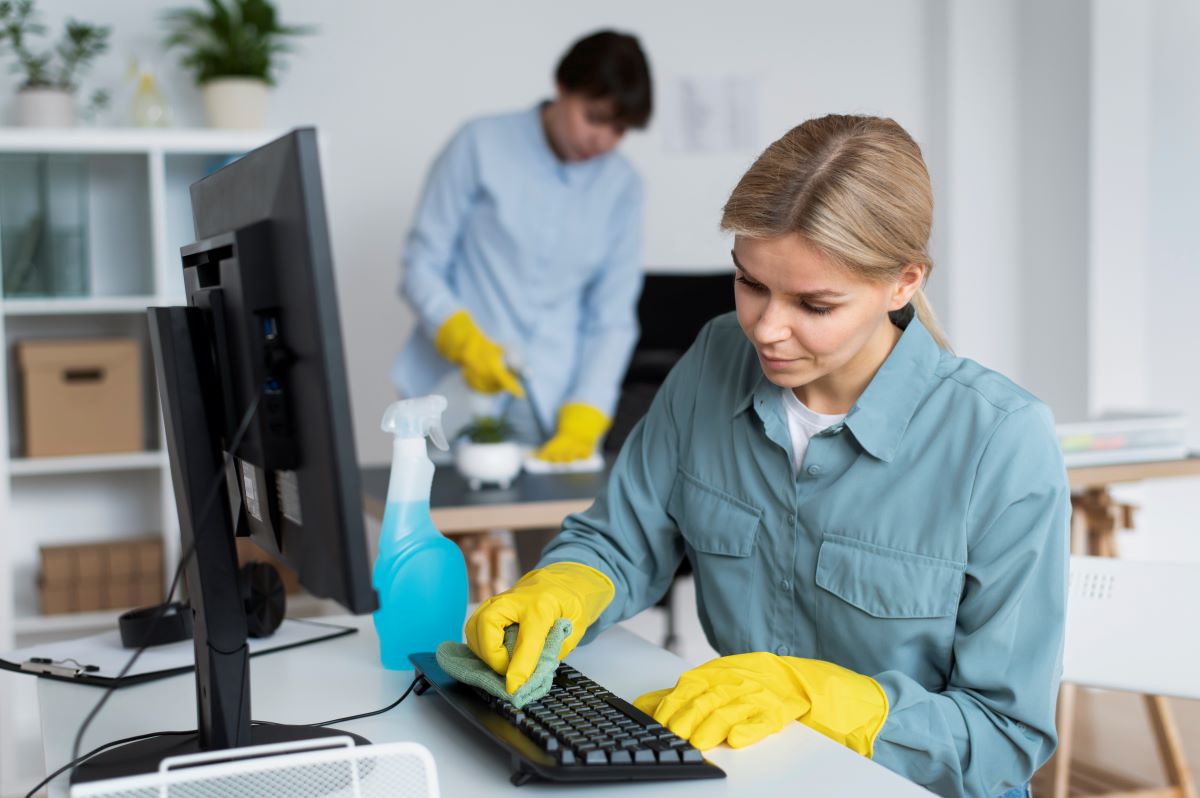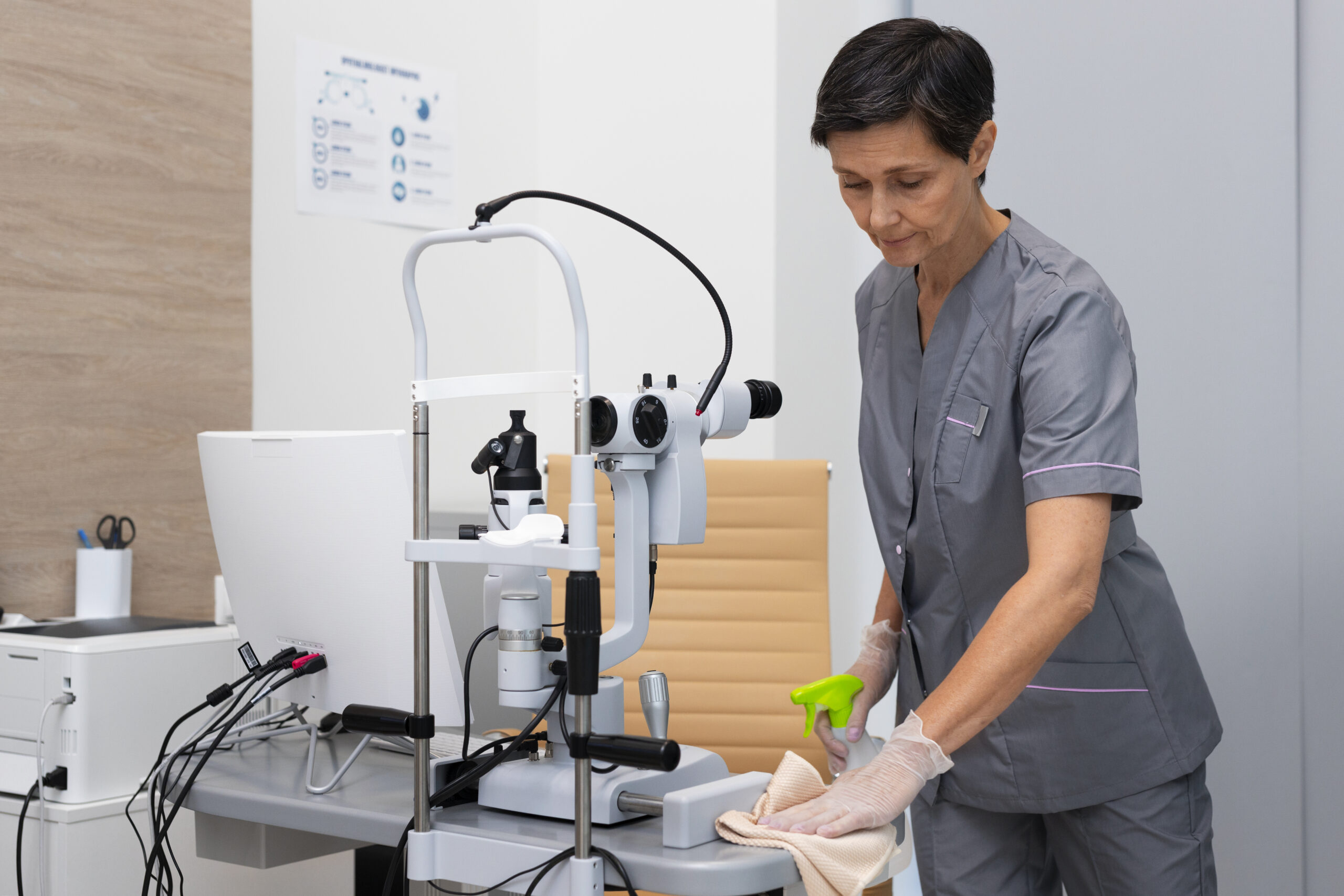
Medical Office Cleaning Company

How Do Medical Office Cleaning Services Help Reduce Infection Spread in Hospitals?

Hospitals and medical offices are environments where cleanliness isn’t just a matter of appearance it’s a matter of patient safety. Every day, hundreds of people move through waiting rooms, exam areas, operating spaces, restrooms, and staff workstations. With so much foot traffic and constant patient interaction, germs can spread rapidly if facilities aren’t cleaned properly. That’s where professional medical office cleaning services play an essential role.

In this guide, we’ll explore what medical cleaning really involves, how it helps prevent infections, what professionals do differently, and how medical facilities in Tennessee especially those seeking commercial cleaning services in Knoxville can benefit from partnering with experts like Cherokee Cleaning Company.

What Are Medical Office Cleaning Services?

Medical office cleaning services involve specialized cleaning, disinfecting, and sanitizing practices tailored specifically for healthcare environments. Unlike routine commercial cleaning, this type of service follows strict healthcare protocols designed to protect patients, staff, and visitors from harmful pathogens.

Medical cleaning typically includes:

  • Using EPA-approved disinfectants
  • Following CDC and OSHA guidelines
  • Cleaning high-touch surfaces multiple times daily
  • Proper disposal of biohazard waste
  • Preventing cross-contamination between rooms or departments

Because hospitals treat individuals with weakened immune systems, contagious conditions, and open wounds, cleaning is part of their infection control strategy not just routine maintenance.

Why Infection Control Matters and Who Benefits Most

Healthcare-associated infections (HAIs) are a major concern in hospitals and clinics. They happen when a patient receives treatment but ends up contracting an infection while inside the facility. Proper cleaning is one of the best defenses against this.

Benefits of professional medical office cleaning services include:

  • Safer environments for patients with vulnerable immune systems
  • Reduced infection risk for healthcare workers
  • Healthier waiting areas for visitors and families
  • Consistent compliance with public health regulations

Hospitals, urgent care centers, dental offices, pediatric clinics, labs, and outpatient surgical centers are among the facilities that benefit most from specialized healthcare cleaning.

How Medical Office Cleaning Services Reduce Infection Spread

Below are the key ways these services make a major difference.

1. Targeting High-Touch Surfaces Effectively

Dozens of hands touch surfaces like:

  • Door handles
  • Light switches
  • Patient check-in kiosks
  • Exam tables
  • Bed rails
  • Counters
  • Elevator buttons

Professionals use hospital-grade disinfectants proven to kill bacteria and viruses commonly found in healthcare environments.

2. Strict Protocols to Prevent Cross-Contamination

Cross-contamination occurs when germs from one area are accidentally transferred to another something especially dangerous in hospitals.

Professional cleaners prevent this by:

  • Using color-coded tools
  • Changing cleaning cloths frequently
  • Disinfecting equipment between rooms
  • Following top-down cleaning strategies

This reduces the spread of pathogens from high-risk to low-risk zones.

3. Proper Handling of Biohazard Waste

Medical offices generate waste that must be handled safely, including:

  • Blood-soaked materials
  • Sharps
  • Lab materials
  • Contaminated PPE

Trained cleaners follow OSHA procedures to protect staff and patients.

4. Disinfecting Waiting Rooms and Common Areas

Waiting rooms are hotspots for bacteria and viruses because sick patients often share the same space.

Medical cleaning includes:

  • Frequent disinfecting of seating
  • Cleaning children’s play areas
  • Sanitizing clipboards, pens, and check-in surfaces
  • Maintaining spotless restrooms

This helps protect everyone from airborne and surface-borne germs.

5. Cleaning for Air Quality Improvements

Dust, chemicals, and airborne pathogens can affect patients with respiratory issues. Professional cleaners help by:

  • Using HEPA vacuums
  • Cleaning air vents
  • Reducing allergen and microbial buildup

Improved air quality contributes to a safer healing environment.

Common Myths About Medical Office Cleaning

Myth: Any janitorial service can clean a hospital.

Truth: Healthcare cleaning requires specialized training, certified products, and strict protocols that general cleaners are not equipped to provide.

Myth: Disinfecting once a day is enough.

Truth: High-touch areas in medical settings may require cleaning multiple times daily.

Myth: If it smells clean, it’s safe.

Truth: Many harmful pathogens are invisible and odorless; the right disinfectants are what matter.

Myth: DIY cleaning products work the same.

Truth: Consumer-grade cleaners do not meet the standards required to kill dangerous hospital-level bacteria and viruses.

Best Practices for Maintaining a Clean, Healthy Medical Facility

Even with professional cleaning, staff can support infection prevention.

Helpful tips include:

  • Encourage regular handwashing
  • Provide hand sanitizer in all public areas
  • Disinfect shared tools and devices
  • Keep clutter to a minimum so surfaces are easier to clean
  • Educate staff about proper PPE use
  • Schedule consistent professional cleanings
  • Document and follow infection control policies

Combining staff awareness with expert cleaning gives the best protection.

FAQs About Medical Office Cleaning Services

1. How often should a hospital or medical office be cleaned?

High-touch surfaces may need several cleanings per day, while full facility cleaning is typically completed daily or multiple times weekly depending on patient volume.

2. What disinfectants are used in medical cleaning?

Professionals use EPA-registered hospital-grade disinfectants proven effective against viruses, bacteria, fungi, and bloodborne pathogens.

3. Are medical office cleaning services regulated?

Yes. They follow CDC, OSHA, and sometimes state-specific guidelines for healthcare environments.

4. What makes healthcare cleaning different from regular commercial cleaning?

It requires advanced training, safe waste disposal, specific disinfectants, and strict procedures to protect patient health.

5. Should small clinics also use specialized medical cleaners?

Absolutely. Even small practices face infection risks and benefit from professional-grade sanitation.

Why Professional Medical Office Cleaning Services Matter

A clean hospital is a safe hospital. Professional medical office cleaning services significantly reduce the spread of infection, protect vulnerable patients, and help healthcare teams operate more safely. Whether you’re managing a large hospital or a small medical practice, partnering with trained specialists ensures your environment meets the highest standards of cleanliness.

If you’re searching for trusted commercial cleaning services in Knoxville, Cherokee Cleaning Company is here to help.

For expert care, visit our website: cherokeecleaningcompany.com and contact us today to schedule your cleaning consultation.

Read More: What Are the Hidden Hygiene Issues Inside Auto Showrooms That Affect Customer Trust?

Professional Daycare Cleaning

How Professional Daycare Cleaning Keeps Kids Safe from Germs

Every parent wants to know their child is safe, healthy, and happy at daycare. But when dozens of children play, learn, and eat together, germs can spread quickly. From sticky toys to shared nap mats, maintaining a clean environment isn’t just about appearances it’s about protecting little ones from illness.

That’s where daycare cleaning services in Knoxville come in. Professional cleaners ensure every surface from playrooms to restrooms is sanitized, disinfected, and safe for children. In this guide, we’ll explain how professional cleaning works, why it matters, and how Cherokee Cleaning Company, a trusted local provider of commercial cleaning services Knoxville TN, keeps childcare spaces healthy and sparkling.

What Are Daycare Cleaning Services in Knoxville?

Daycare cleaning services in Knoxville are specialized programs focused on keeping childcare facilities sanitary, allergen-free, and child-safe. These services go far beyond routine janitorial work. They target bacteria, viruses, and germs commonly found in high-traffic play environments.

Professionals use EPA-approved, non-toxic disinfectants designed for schools and childcare centers safe for small hands, sensitive skin, and growing lungs.

Typical daycare cleaning includes:

  • Sanitizing toys, tables, and play equipment
  • Deep cleaning restrooms and diaper-changing areas
  • Mopping and vacuuming all floors
  • Disinfecting door handles and light switches
  • Emptying trash and sanitizing bins

At Cherokee Cleaning Company, our mission is to help daycares maintain a safe, welcoming environment that parents can trust and children can thrive in.

Why Daycare Cleaning Matters

Daycare environments are ideal breeding grounds for germs. When children share toys, snacks, and hugs, bacteria and viruses can spread quickly. Professional cleaning helps stop those germs in their tracks reducing illness, absences, and stress for families and staff alike.

Who Benefits Most from Professional Cleaning?

  • Daycare owners and staff: Maintain a spotless facility and meet health-inspection standards.
  • Parents: Gain confidence knowing their children are in a hygienic space.
  • Children: Enjoy fewer sick days and a healthier environment for learning and play.

Regular cleaning is essential for both health protection and positive impressions. A visibly clean daycare reflects professionalism and genuine care for children’s well-being.

Key Things to Know About Daycare Cleaning

1. How Frequently Should a Daycare Facility Undergo Professional Cleaning? 

Experts recommend daily cleaning with deeper sanitization several times a week or as needed. High-touch surfaces like toys, tables, and door handles should be disinfected multiple times per day.

Cherokee Cleaning Company offers flexible scheduling daily, weekly, or custom plans to match your daycare’s specific needs and layout.

Læs den fulde luna casino anmeldelse på siden før du spiller.

2. How Does Daycare Cleaning Differ from Regular Commercial Cleaning?

Though commercial cleaning services in Knoxville, TN attend to the needs of offices, gyms, and retail spaces, a daycare facility cleaning service provides cleaning products that are child-safe and the precision of germ control. 

Professional daycare cleaning includes:

  • Child-friendly disinfectants with no harsh fumes
  • Attention to toys, play mats, and snack areas
  • Detailed restroom and diaper-station sanitization
  • Allergy-aware dust and mold control

This child-centered approach ensures cleanliness without compromising safety.

3. Are Cleaning Products Safe for Kids?

Yes! Reputable cleaning companies use eco-friendly and hypoallergenic products safe for children and staff. Cherokee Cleaning Company exclusively uses green cleaning solutions that disinfect effectively while protecting sensitive immune systems.

4. How Does Professional Cleaning Reduce Illnesses?

Routine disinfecting cuts down on the spread of colds, flu, and stomach viruses. Cleaners focus on areas kids touch most tables, door handles, shared toys to remove bacteria before it can spread.

The result? Fewer absences, fewer sick calls, and a healthier learning environment.

5. Which Areas Need the Most Attention?

Some daycare zones require extra care:

  • Playrooms and toy bins
  • Kitchen or snack prep areas
  • Restrooms and changing tables
  • Door handles, cubbies, and nap mats

Focusing on these “hot spots” ensures a truly hygienic daycare environment.

Common Misconceptions About Daycare Cleaning

Myth Truth
Daily surface wipes are enough. Regular wiping reduces dirt, but not deep germs. Professional sanitization ensures infection control.
Bleach is the only strong disinfectant. Many non-toxic alternatives are just as effective and safer for kids.
Small daycares can skip professional cleaning. Even small spaces accumulate germs quickly professional help prevents outbreaks.
All cleaners are the same. Daycare cleaning requires specialized training and child-safe products that not all cleaners provide.


Tips for Maintaining Cleanliness Between Professional Visits

Even with professional service, staff should follow these daily hygiene practices:

  • Sanitize toys regularly: Rotate and clean sets after each play session.
  • Encourage handwashing: Before meals, after play, and after bathroom use.
  • Disinfect tables and high-touch areas multiple times a day.
  • Use separate bins for dirty and clean toys.
  • Train staff in safe disinfectant handling and spill management.

Combining these steps with Cherokee Cleaning Company’s expert service keeps your daycare consistently safe and welcoming.

FAQ: Daycare Cleaning Services in Knoxville

1. How can I ensure my daycare meets sanitation standards?

Professional cleaners provide documented checklists that align with Tennessee childcare regulations and CDC hygiene recommendations.

2. Do cleaners work during business hours?

Yes! Cherokee Cleaning Company offers flexible scheduling including evenings or weekends to avoid disrupting your daycare routine.

3. What about allergies or sensitivities?

We use fragrance-free, non-toxic cleaning products ideal for sensitive children and staff.

4. Can cleaning help reduce odors?

Yes. Eco-friendly solutions eliminate odors from diapers, food, and spills leaving space with a fresh and inviting scent. 

5. How often should carpets or play mats be deep cleaned?

Every 3–6 months is recommended to remove dust, allergens, and bacteria especially in high-traffic centers.

Protect Children’s Health with Professional Daycare Cleaning Services in Knoxville

Maintaining a clean daycare is one of the most important ways to protect children’s health. With help from professionals who specialize in daycare cleaning services in Knoxville, you can ensure every child learns and plays in a safe, sanitized space.

Partnering with Cherokee Cleaning Company, a trusted provider of commercial cleaning services Knoxville TN, means getting reliable, thorough care tailored to the needs of childcare environments.

Contact us today to schedule your daycare cleaning consultation, or visit our website: cherokeecleaningcompany.com to explore how Cherokee Cleaning Company keeps Knoxville’s learning spaces clean, healthy, and worry-free.

Read More: The Psychology of a Clean Office: How Cleanliness Affects Focus and Creativity

Medical Office Cleaning

Medical Office Cleaning Standards: What You Need to Know in 2025

Maintaining a clean and sterile medical office is not just about making a good impression, it’s about protecting public health. In 2025, cleaning standards for healthcare environments have become even more rigorous, with advanced protocols in place to ensure the safety of both patients and staff. Whether you run a private practice, dental clinic, or diagnostic center, understanding these new standards is critical to meeting compliance requirements and fostering trust among your clientele.

The Rising Importance of Medical Office Cleaning

The post-pandemic era has reshaped how medical facilities approach cleanliness. Infections acquired in healthcare settings, known as HAIs (healthcare-associated infections), remain a major concern. This has pushed the medical industry to adopt stricter disinfection practices, invest in advanced cleaning technology, and follow updated CDC and OSHA guidelines.

To help manage these requirements efficiently, many healthcare providers now rely on medical office cleaning services in Knoxville that specialize in sanitizing clinical environments. These professional services are trained in the latest cleaning protocols and use medical-grade disinfectants, which significantly reduce the risk of cross-contamination and pathogen spread.

Key Cleaning Standards in 2025

As we look at cleaning protocols in 2025, several crucial standards have been introduced or enhanced:

  • Electrostatic Disinfection
    This technology ensures that disinfectants reach every surface by spraying a fine mist that electrostatically wraps around objects. It’s especially effective for high-touch areas in exam rooms and waiting areas.
  • UV-C Disinfection Systems
    Ultraviolet light technology is increasingly used for terminal cleaning after patient hours. These systems eliminate bacteria and viruses without chemicals, providing an added layer of protection.
  • EPA-Approved Disinfectants
    Only products listed on the EPA’s List N are approved for use in medical offices. These disinfectants are proven to kill emerging viral pathogens, including SARS-CoV-2 variants.
  • Cross-Contamination Prevention
    Color-coded cleaning materials, disposable supplies, and strict cleaning routes help prevent the spread of contaminants from one area to another.
  • High-Touch Point Focus
    Surfaces such as doorknobs, light switches, faucets, exam tables, and chairs are cleaned multiple times daily.
  • Documentation and Compliance Tracking
    Cleaning teams now maintain digital logs for compliance audits, including what was cleaned, when, and which disinfectants were used.

The Role of Professional Cleaning Services

In a fast-paced medical environment, delegating cleaning to in-house staff is no longer sufficient. Professional commercial cleaning services in Knoxville bring expertise, certification, and consistency to the table. They adhere to protocols mandated by OSHA, CDC, and HIPAA, ensuring your practice remains both compliant and safe.

Outsourcing to a commercial cleaning company also brings benefits like:

  • Scheduled deep cleaning without disrupting patient care

  • Staff trained specifically in healthcare sanitation

  • Use of advanced equipment and disinfectants

  • Flexibility to scale services during flu seasons or health emergencies

Common Areas That Require Specialized Cleaning

Each area of a medical office requires a tailored cleaning approach. Here’s a quick breakdown:

  • Reception & Waiting Areas: Disinfection of chairs, desks, and kiosks

  • Exam Rooms: Frequent sanitization of medical instruments and patient contact surfaces

  • Restrooms: Continuous upkeep with special focus on touchpoints

  • Staff Areas: Kitchenettes, break rooms, and locker rooms cleaned to prevent cross-infection

  • HVAC Vents: Routine filter changes and cleaning to ensure air quality

Choosing the Right Cleaning Partner

When selecting a cleaning partner, medical practices should consider:

Læs om den aktuelle slotstars bonus og vilkårene her.

  • Certifications in medical facility cleaning

  • Proven track record and reviews

  • Staff training programs

  • Availability for emergency or after-hours cleaning

  • Use of eco-friendly and EPA-approved products

The Cost of Non-Compliance

Failing to meet cleaning standards can have serious consequences, including

  • Patient health risks and HAIs

  • Legal liabilities or penalties from OSHA and health departments

  • Damage to your facility’s reputation

  • Loss of accreditation or insurance complications

In 2025, cleanliness is not optional; it’s a regulatory, ethical, and operational imperative.

FAQs

Q1: How often should a medical office be cleaned?

A: Exam rooms and high-touch surfaces should be disinfected after each patient visit. Common areas should be cleaned multiple times a day, and the entire office should undergo deep cleaning at least weekly.

Q2: What disinfectants are safe for medical use?

A: Only EPA-registered disinfectants, particularly those listed on EPA’s List N, should be used. These are tested against bacteria, fungi, and viruses, including emerging variants.

Q3: Can general commercial cleaners handle medical office cleaning?

A: Not all commercial cleaners are trained in medical sanitation. Look for services that specifically offer medical office cleaning with certifications in healthcare compliance.

Q4: What is the difference between cleaning and disinfecting?

A: Cleaning removes dirt and impurities from surfaces, while disinfecting kills pathogens. Both are essential and should be done using approved products and techniques.

Q5: Do I need to clean HVAC systems too?

A: Yes. HVAC systems can circulate airborne pathogens. Regular filter replacement and duct cleaning are vital in a healthcare setting.

Read more: Why Your Bank Needs Trained and Certified Cleaning Professionals