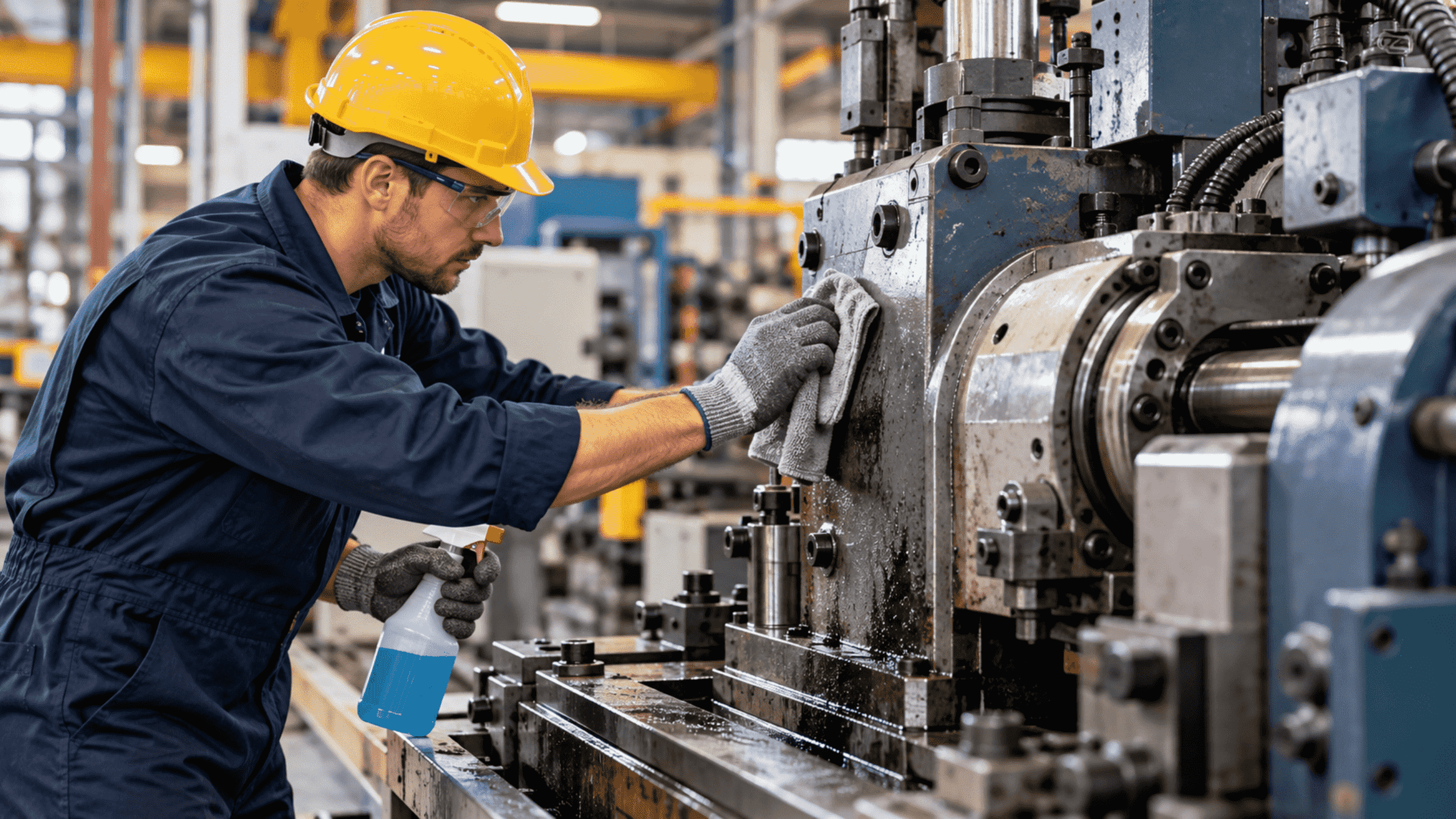
Cleaning industrial machinery properly is essential for maintaining equipment performance, preventing premature wear, and ensuring a safe working environment. However, using the wrong cleaning products, excessive water, or unsuitable techniques can damage sensitive components and lead to costly repairs. Understanding how to clean industrial machinery safely helps businesses maintain their equipment while reducing unnecessary downtime. From removing dust and grease to selecting appropriate cleaning products, the right approach makes a significant difference.
For businesses that need consistent facility maintenance, professional cleaning practices can help protect equipment and maintain cleaner workspaces. Cherokee Cleaning Company understands the importance of maintaining clean commercial and industrial environments. Whether you are reviewing machinery cleaning methods or considering professional industrial cleaning services in Knoxville, TN, the right cleaning approach can help protect your equipment and maintain a cleaner facility.
Why Proper Industrial Machinery Cleaning Matters
Regular industrial machinery cleaning supports equipment reliability, workplace safety, and the overall condition of industrial facilities. Machinery often operates under demanding conditions, including continuous production, exposure to airborne particles, contact with lubricants, and the accumulation of manufacturing residue. Cleaning helps control these contaminants before they interfere with equipment operation or create additional maintenance concerns.
1. Prevents Equipment Damage and Premature Wear
Dust, dirt, and abrasive particles can accumulate around moving components, ventilation openings, seals, and mechanical joints. If these contaminants enter sensitive areas, they may contribute to friction, wear, overheating, or restricted movement. Grease and residue can also conceal developing problems, making it more difficult to identify leaks, corrosion, and damaged components during routine inspections.
Appropriate industrial equipment cleaning removes unwanted buildup while protecting essential machine surfaces. We recommend following manufacturer instructions and using compatible cleaning products to avoid damaging finishes, seals, and protective coatings. Cleaning should complement established lubrication and maintenance procedures rather than replace them.
2. Supports Workplace Safety and Hygiene
Contaminated machinery can contribute to workplace hazards when oil, grease, or production residue accumulates around equipment and nearby walkways. Slippery surfaces may increase the risk of slips and falls, while excessive dust can affect housekeeping standards and, depending on the material, create respiratory or combustible dust hazards.
A structured cleaning program helps control these conditions and keeps equipment surroundings more manageable. Cleaning personnel should also understand the specific hazards associated with industrial contaminants, including chemical residues and potentially hazardous production materials. Appropriate protective equipment, safe waste handling, and documented procedures help support a cleaner working environment.
3. Helps Maintain Machinery Performance and Efficiency
Equipment performs best when its essential components remain free from contaminants that interfere with normal operation. Dust accumulation can restrict cooling airflow, while residue around sensors may affect readings or equipment responses. Deposits around mechanical assemblies can also make inspections and adjustments more difficult.
Regular cleaning helps maintain accessible surfaces, ventilation pathways, and inspection points. However, cleaning methods must remain compatible with the machine’s operating requirements. Sensitive instruments, lubricated assemblies, and precision components may require specialized procedures rather than general-purpose cleaning.
4. Reduces Unexpected Maintenance and Repair Costs
Preventive cleaning can help businesses identify developing equipment issues before they become more serious. Removing surface contamination makes it easier to notice fluid leaks, loose fittings, corrosion, cracks, and other visible abnormalities during authorized inspections.
Although cleaning cannot prevent every mechanical failure, consistent housekeeping can reduce avoidable contamination-related problems and support maintenance planning. Combining cleaning schedules with inspections and manufacturer-recommended servicing helps businesses manage equipment condition more effectively.
How to Clean Industrial Machinery Safely: A Step-by-Step Guide
The safest approach to cleaning industrial machinery begins with understanding the equipment and identifying the hazards associated with its operation and contamination. The following steps provide a general framework, but machine-specific procedures and site safety requirements must always take priority.
1. Review the Manufacturer’s Cleaning Instructions
Before starting, review the manufacturer’s operating manual, maintenance documentation, and cleaning recommendations. These resources identify materials that may be damaged by particular chemicals, surfaces that should not become wet, and components requiring specialized handling.
Check whether the equipment has restrictions concerning solvents, detergents, compressed air, pressure washing, or disassembly. If instructions are unavailable or unclear, consult qualified maintenance personnel before proceeding.
2. Shut Down and Isolate Equipment Before Cleaning
Industrial equipment must be placed in a safe condition before cleaning begins. Follow the site’s approved shutdown procedure and apply lockout/tagout (LOTO) wherever required to isolate hazardous energy sources.
Depending on the equipment, hazards may include electrical power, hydraulic pressure, pneumatic pressure, stored mechanical energy, hot surfaces, and moving parts. Simply switching off a machine may not eliminate these risks.
Only authorized personnel should perform isolation and verify that the equipment is safe to access. Cleaning must never begin while hazardous components remain energized or capable of unexpected movement.
3. Remove Loose Dust, Debris, and Surface Contaminants
Start by removing loose material using a cleaning method approved for the equipment and the contaminant involved. Suitable options may include lint-free cloths, soft brushes, industrial vacuums, or specialized extraction equipment.
Avoid brushing debris into ventilation openings, bearings, electrical enclosures, or other sensitive areas. Compressed air should not be used indiscriminately because it can spread contaminants, damage delicate components, or create airborne hazards. Where dust could be combustible or hazardous to breathe, use an appropriate industrial collection system and follow site-specific controls.
4. Choose the Right Cleaning Products for Equipment Materials
Selecting the correct cleaning product is essential for effective industrial equipment cleaning. Different materials respond differently to chemical exposure. Certain solvents may damage plastics, rubber seals, painted surfaces, adhesives, and protective coatings, while unsuitable products may contribute to corrosion.
Choose a cleaner that is compatible with the equipment materials and approved for the type of contamination being removed. Review product labels and safety data sheets before use, and test compatibility only through an approved procedure.
Never mix cleaning chemicals unless the manufacturer explicitly permits the combination. Use the specified dilution, application method, ventilation, and personal protective equipment.
5. Apply Suitable Machinery Cleaning Methods
The appropriate machinery cleaning methods depend on the equipment’s construction and the type of residue present. Dry wiping may be sufficient for light dust, while an approved degreaser may be necessary for oil buildup. Sensitive equipment may require specialized products and controlled application techniques.
Apply cleaning solutions only to permitted surfaces, using the amount recommended by the product manufacturer. Avoid spraying liquids directly into openings, bearings, connectors, control panels, and other components that are not designed for wet cleaning.
Allow the product to work for the recommended contact time, then remove residue according to the instructions. Avoid scraping or scrubbing aggressively, as doing so could damage the machine’s surface.
6. Avoid Excess Moisture Around Electrical Components
Water and electrical systems require particular care during machinery cleaning. Excess moisture can contribute to corrosion, short circuits, insulation problems, and damage to electronic controls. Even equipment with a water-resistant enclosure may have openings, connectors, or components that are not protected against direct water exposure.
Use approved dry or minimally damp cleaning techniques around sensitive areas. Electrical enclosures should be cleaned according to the manufacturer’s procedures, and only qualified personnel should open or service them.
Never assume that an electrical component is safe to expose to moisture simply because the surrounding machine has a protective housing.
7. Dry Equipment Thoroughly and Inspect Before Restarting
After cleaning, remove residual cleaning solution and moisture using an approved drying method. Pay attention to crevices, joints, seams, and other locations where liquid may collect.
Inspect the equipment for remaining residue, signs of damage, displaced protective covers, and visible abnormalities. Confirm that guards and other components are correctly reinstalled and that the required maintenance checks have been completed.
Before restarting, the responsible personnel must verify that the area is clear, all tools have been removed, and the equipment is ready for operation under the applicable safety procedures. Restarting should follow the manufacturer’s instructions and the facility’s approved process.
Common Machinery Cleaning Methods and When to Use Them
Different machines require different cleaning approaches. Selecting the right method helps remove contamination without introducing unnecessary moisture, chemical exposure, or mechanical stress.
1. Dry Cleaning for Dust and Loose Debris
Dry cleaning is often suitable for removing loose dust, fibers, and surface particles from equipment that should not become wet. Soft brushes, lint-free cloths, and compatible industrial vacuum systems can help control contamination while limiting exposure to liquids.
This approach is particularly useful around sensitive equipment and components that cannot tolerate wet cleaning. The vacuum and collection system must be appropriate for the dust being removed, especially when the material presents a health or combustible dust hazard.
2. Damp Wiping for Sensitive Equipment Surfaces
Damp wiping can remove light residue from approved surfaces without applying large quantities of liquid. A compatible cleaning solution and a well-wrung cloth can help control the amount of moisture introduced.
This method may be suitable for machine housings, accessible exterior panels, and certain nonporous surfaces. It should not be used on components that the manufacturer identifies as unsuitable for moisture exposure.
3. Degreasing for Oil, Grease, and Stubborn Residue
Industrial degreasers help break down oily deposits that ordinary wiping may not remove effectively. The product should match the contaminant and the materials being cleaned.
Before applying a degreaser, consider ventilation, chemical compatibility, ignition risks, residue removal, and waste disposal. Some solvents are flammable or can damage elastomers and coatings. Follow the product’s safety data sheet and the facility’s chemical handling procedures.
4. Controlled Pressure Washing for Suitable Equipment
Pressure washing can be useful for certain heavy-duty equipment and external surfaces designed to tolerate water and mechanical impact. However, it is not appropriate for every industrial machine.
Excessive pressure can force water past seals, damage finishes, dislodge components, and drive contaminants into sensitive areas. Pressure washing should only be used when the equipment manufacturer permits it, with suitable pressure, distance, temperature, and drainage controls.
5. Specialized Cleaning for Delicate or Precision Machinery
Precision instruments, production controls, specialized manufacturing equipment, and sensitive mechanical assemblies may require specific cleaning products, trained personnel, or dedicated procedures.
In these situations, general-purpose cleaning methods can create unnecessary risks. Follow the manufacturer’s instructions and involve qualified technicians when cleaning requires disassembly, access to restricted components, or procedures beyond routine housekeeping.
Common Mistakes to Avoid When Cleaning Industrial Equipment
Incorrect cleaning practices can cause damage even when the intention is to improve equipment condition. Recognizing common mistakes helps businesses maintain consistent standards and avoid preventable problems.
1. Using Harsh Chemicals or Abrasive Cleaning Tools
Strong solvents, highly acidic or alkaline cleaners, metal brushes, and abrasive pads can damage coatings and exposed materials. They may also leave residues that interfere with later production processes.
Choose products and tools based on equipment compatibility rather than cleaning strength alone. Effective cleaning should remove the contaminant without creating another maintenance problem.
2. Applying Excessive Water or High Pressure
Excessive water can enter electrical enclosures, penetrate seals, or remain trapped in difficult-to-reach spaces. High-pressure jets may damage labels, insulation, protective coatings, and delicate assemblies.
Use wet cleaning only where approved, and control the amount of liquid applied. If a machine is not designed for washdown, use a suitable alternative.
3. Ignoring Electrical Components and Sensitive Sensors
Sensors, switches, connectors, control panels, and optical components may be vulnerable to liquids, chemicals, abrasion, and physical contact. Cleaning them with unsuitable products can affect their performance or cause equipment faults.
Identify sensitive components before beginning and follow the specified cleaning procedures. Do not open electrical enclosures or handle internal components unless authorized and qualified to do so.
4. Cleaning Equipment Without Proper Shutdown Procedures
Cleaning around moving machinery or equipment containing stored energy can expose workers to serious injury. Unplanned startup, rotating parts, pressurized systems, and hot surfaces must be addressed before cleaning begins.
Follow established isolation procedures and verify safe conditions before accessing hazardous areas. Never bypass guards or safety controls to make cleaning easier.
5. Restarting Machinery Before It Is Completely Dry and Inspected
Residual moisture, loose cleaning materials, missing guards, and improperly reinstalled components can create operational and safety issues. A quick visual wipe is not sufficient when a cleaning procedure requires a complete inspection.
Establish a clear handover process between cleaning and operations personnel. Restart only after the required drying, inspection, and safety checks have been completed.
How Often Should Industrial Machinery Be Cleaned?
The correct cleaning frequency depends on production activity, environmental conditions, the type of machinery, and the manufacturer’s maintenance recommendations. Equipment operating in dusty environments may need more frequent surface cleaning than machinery used in a controlled production area.
A practical cleaning schedule can include the following activities:
- Daily cleaning: Remove accessible dust, loose debris, and minor surface contamination where required by operating procedures.
- Weekly cleaning: Address recurring buildup on approved exterior surfaces, accessible guards, and other designated areas.
- Scheduled deep cleaning: Perform more detailed cleaning at intervals determined by the equipment manufacturer, contamination levels, and production requirements.
- Immediate spill response: Address oil, chemical, or production material spills promptly using the site’s approved containment and cleanup procedures.
- Maintenance-related cleaning: Clean designated components during planned servicing when authorized personnel determine that it is appropriate.
These intervals are examples, not universal requirements. Some machines need cleaning after every production run, while others require less frequent intervention. Certain components must not be cleaned without technical approval.
A documented schedule should identify the equipment, cleaning method, approved products, responsible personnel, frequency, and inspection requirements. Recording completed work helps teams identify recurring contamination and adjust procedures when operating conditions change.
When to Hire Professional Industrial Cleaning Services
Professional industrial cleaning services can help businesses manage cleaning tasks that require specialized knowledge, equipment, or consistent staffing. While routine surface cleaning may be handled by trained facility personnel, more complex cleaning requirements may benefit from professional support.
1. Cleaning Complex or Sensitive Industrial Equipment
Complex machinery often contains components that require controlled cleaning techniques. Professional cleaners who understand industrial environments can help assess the scope of work, identify relevant hazards, and follow the procedures established by the equipment owner.
Where cleaning involves internal assemblies, electrical systems, precision mechanisms, or disassembly, qualified maintenance technicians should remain responsible for the technical work.
2. Removing Heavy Grease and Persistent Contamination
Accumulated grease, stubborn production residue, and extensive surface contamination may require specialized products and collection methods. Professional support can help businesses establish an appropriate approach while considering chemical safety, material compatibility, and waste handling.
The cleaning plan should identify which surfaces can be treated, which products are permitted, and how removed contaminants will be collected and disposed of.
3. Maintaining Large Industrial Facilities
Large facilities contain multiple work areas, machinery types, storage spaces, and shared access routes. Coordinating cleaning across these areas can be difficult without clear responsibilities and schedules.
Professional cleaning services for industries can support facility-wide housekeeping, including approved floor cleaning, accessible exterior surfaces, common areas, and other agreed-upon tasks. Clear scope definitions help distinguish routine facility cleaning from specialized machinery maintenance.
4. Supporting Routine Cleaning and Preventive Maintenance
Consistent cleaning can complement preventive maintenance by keeping equipment surroundings organized and making visible abnormalities easier to identify. Professional cleaning personnel can follow established schedules and document completed tasks within the agreed service scope.
Cleaning teams should not independently adjust machinery, remove protective guards, or perform maintenance outside their training and authorization. Coordination with facility managers helps maintain clear responsibilities.
Choosing the Right Industrial Cleaning Services for Your Facility
Selecting an appropriate provider involves more than comparing prices. Businesses should assess experience, safety procedures, cleaning capabilities, and the provider’s ability to work within operational requirements.
Look for Experience With Industrial Facilities
Industrial environments have different requirements from ordinary office or residential spaces. Look for a provider that understands facility access rules, production schedules, contamination control, and the importance of protecting equipment during cleaning.
Discuss the type of facility, the areas requiring service, and any special restrictions before agreeing on a scope of work.
Ask About Cleaning Methods and Equipment Safety
Before hiring a provider, ask how the team determines which cleaning products and methods are suitable for different surfaces. A responsible cleaning plan should account for moisture sensitivity, chemical compatibility, equipment access, and the manufacturer’s restrictions.
Businesses seeking industrial cleaning services in Knoxville should also clarify whether the work includes machinery exteriors, industrial floors, common areas, or specialized equipment cleaning.
Verify Staff Training and Safety Procedures
Ask about staff training, personal protective equipment, chemical handling, hazard communication, and site-specific safety requirements. Confirm that the provider understands the facility’s access restrictions and shutdown procedures.
For tasks involving hazardous energy, technical disassembly, or sensitive machine components, establish who is authorized to perform the work and who will verify that equipment is safe to restart.
Choose a Company That Offers Consistent Cleaning Schedules
A dependable provider should be able to discuss service frequency, task checklists, access arrangements, and documentation. Scheduled cleaning helps businesses maintain consistent standards without unnecessarily interrupting production.
Companies comparing professional cleaning services in Knoxville, TN should evaluate reliability, communication, scope clarity, and the provider’s ability to adapt to changing facility needs.
Keep Your Facility Clean With Cherokee Cleaning Company
Proper cleaning practices help protect industrial machinery, reduce avoidable damage, and maintain a cleaner workplace. Cherokee Cleaning Company supports businesses seeking reliable cleaning solutions for their facilities.
Our industrial cleaning services in Knoxville can help businesses address facility cleaning needs and maintain organized workspaces. For broader property maintenance, commercial property management cleaning can also support cleaner offices, shared areas, and common spaces.
Contact Cherokee Cleaning Company to discuss your facility’s cleaning requirements and find a suitable cleaning plan for your business.
Frequently Asked Questions
What Is the Safest Way to Clean Industrial Machinery?
The safest method is to follow the manufacturer’s cleaning instructions, isolate hazardous energy sources when required, and select products compatible with the machine’s materials. Use approved tools, control moisture, and complete the required drying and inspection procedures before restarting equipment.
Which Cleaning Products Should Be Avoided on Industrial Equipment?
Avoid chemicals that are incompatible with the machine’s metals, plastics, seals, coatings, or electrical components. Unapproved solvents, corrosive cleaners, abrasive compounds, and products that leave harmful residues may cause damage. Always review manufacturer instructions and product safety data before use.
Can Water Damage Industrial Machinery During Cleaning?
Yes. Water can damage electrical components, contribute to corrosion, penetrate seals, and affect sensitive sensors if the equipment is not designed for wet cleaning. Use water only on approved surfaces and follow the manufacturer’s instructions for moisture control, drying, and inspection.
How Often Should Industrial Equipment Be Cleaned?
Cleaning frequency depends on contamination levels, production activities, operating conditions, and manufacturer recommendations. Some equipment requires daily cleaning, while other machinery needs periodic deep cleaning or immediate attention after spills. A documented schedule helps maintain consistent standards.
When Should Businesses Hire Professional Industrial Cleaning Services?
Businesses should consider professional support when cleaning involves large facilities, persistent contamination, demanding schedules, or specialized cleaning requirements. Tasks involving internal machine components, hazardous energy, or technical disassembly should be assigned to appropriately qualified and authorized personnel.
How Can I Find Industrial Cleaning Services in Knoxville, TN?
Start by researching local providers and reviewing their industrial facility experience, cleaning procedures, safety practices, scheduling options, and service scope. Ask how they protect equipment, handle cleaning chemicals, and work around operating schedules before choosing a provider for your Knoxville facility.