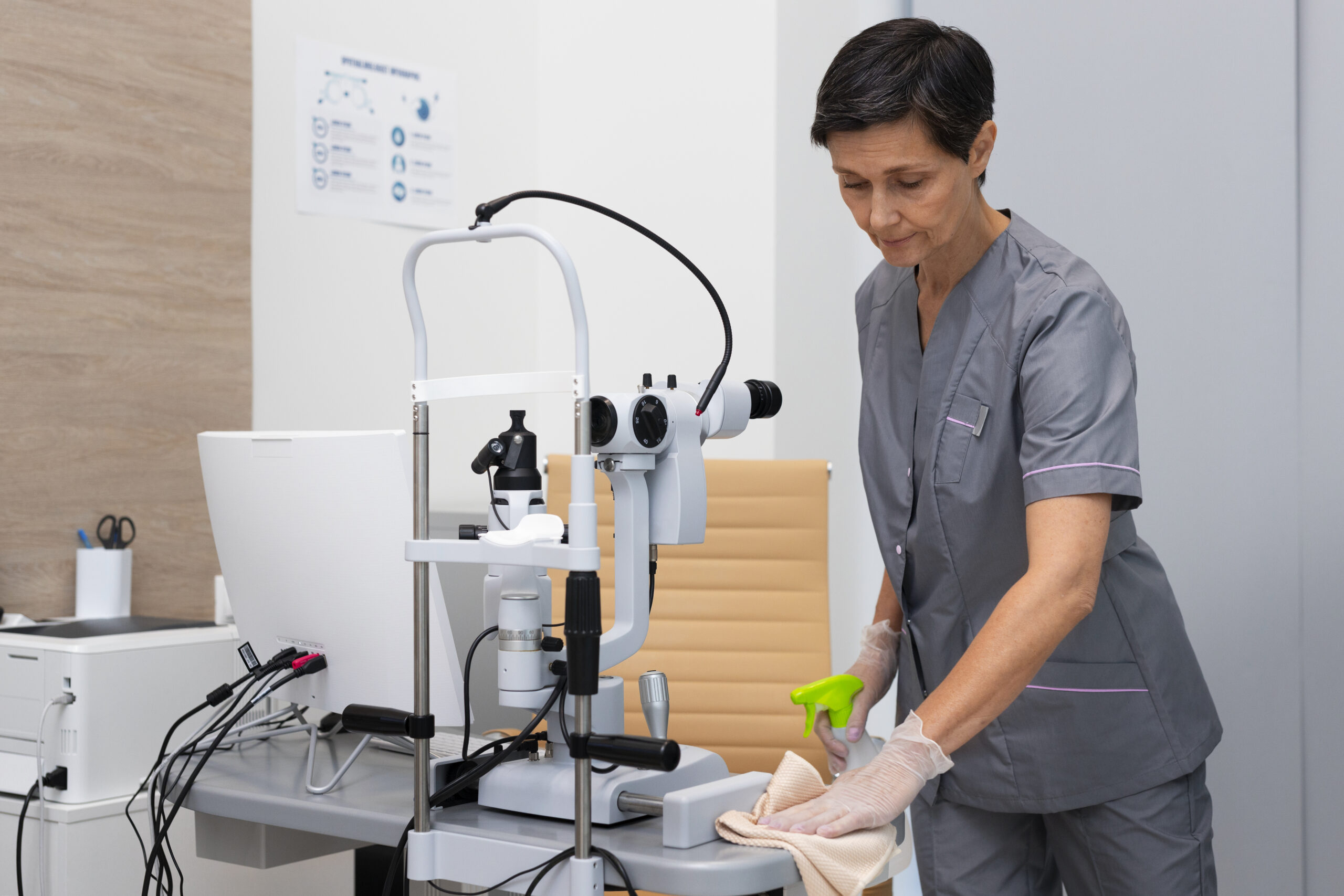
Hospitals and medical offices are environments where cleanliness isn’t just a matter of appearance it’s a matter of patient safety. Every day, hundreds of people move through waiting rooms, exam areas, operating spaces, restrooms, and staff workstations. With so much foot traffic and constant patient interaction, germs can spread rapidly if facilities aren’t cleaned properly. That’s where professional medical office cleaning services play an essential role.
In this guide, we’ll explore what medical cleaning really involves, how it helps prevent infections, what professionals do differently, and how medical facilities in Tennessee especially those seeking commercial cleaning services in Knoxville can benefit from partnering with experts like Cherokee Cleaning Company.
What Are Medical Office Cleaning Services?
Medical office cleaning services involve specialized cleaning, disinfecting, and sanitizing practices tailored specifically for healthcare environments. Unlike routine commercial cleaning, this type of service follows strict healthcare protocols designed to protect patients, staff, and visitors from harmful pathogens.
Medical cleaning typically includes:
- Using EPA-approved disinfectants
- Following CDC and OSHA guidelines
- Cleaning high-touch surfaces multiple times daily
- Proper disposal of biohazard waste
- Preventing cross-contamination between rooms or departments
Because hospitals treat individuals with weakened immune systems, contagious conditions, and open wounds, cleaning is part of their infection control strategy not just routine maintenance.
Why Infection Control Matters and Who Benefits Most
Healthcare-associated infections (HAIs) are a major concern in hospitals and clinics. They happen when a patient receives treatment but ends up contracting an infection while inside the facility. Proper cleaning is one of the best defenses against this.
Benefits of professional medical office cleaning services include:
- Safer environments for patients with vulnerable immune systems
- Reduced infection risk for healthcare workers
- Healthier waiting areas for visitors and families
- Consistent compliance with public health regulations
Hospitals, urgent care centers, dental offices, pediatric clinics, labs, and outpatient surgical centers are among the facilities that benefit most from specialized healthcare cleaning.
How Medical Office Cleaning Services Reduce Infection Spread
Below are the key ways these services make a major difference.
1. Targeting High-Touch Surfaces Effectively
Dozens of hands touch surfaces like:
- Door handles
- Light switches
- Patient check-in kiosks
- Exam tables
- Bed rails
- Counters
- Elevator buttons
Professionals use hospital-grade disinfectants proven to kill bacteria and viruses commonly found in healthcare environments.
2. Strict Protocols to Prevent Cross-Contamination
Cross-contamination occurs when germs from one area are accidentally transferred to another something especially dangerous in hospitals.
Professional cleaners prevent this by:
- Using color-coded tools
- Changing cleaning cloths frequently
- Disinfecting equipment between rooms
- Following top-down cleaning strategies
This reduces the spread of pathogens from high-risk to low-risk zones.
3. Proper Handling of Biohazard Waste
Medical offices generate waste that must be handled safely, including:
- Blood-soaked materials
- Sharps
- Lab materials
- Contaminated PPE
Trained cleaners follow OSHA procedures to protect staff and patients.
4. Disinfecting Waiting Rooms and Common Areas
Waiting rooms are hotspots for bacteria and viruses because sick patients often share the same space.
Medical cleaning includes:
- Frequent disinfecting of seating
- Cleaning children’s play areas
- Sanitizing clipboards, pens, and check-in surfaces
- Maintaining spotless restrooms
This helps protect everyone from airborne and surface-borne germs.
5. Cleaning for Air Quality Improvements
Dust, chemicals, and airborne pathogens can affect patients with respiratory issues. Professional cleaners help by:
- Using HEPA vacuums
- Cleaning air vents
- Reducing allergen and microbial buildup
Improved air quality contributes to a safer healing environment.
Common Myths About Medical Office Cleaning
Myth: Any janitorial service can clean a hospital.
Truth: Healthcare cleaning requires specialized training, certified products, and strict protocols that general cleaners are not equipped to provide.
Myth: Disinfecting once a day is enough.
Truth: High-touch areas in medical settings may require cleaning multiple times daily.
Myth: If it smells clean, it’s safe.
Truth: Many harmful pathogens are invisible and odorless; the right disinfectants are what matter.
Myth: DIY cleaning products work the same.
Truth: Consumer-grade cleaners do not meet the standards required to kill dangerous hospital-level bacteria and viruses.
Best Practices for Maintaining a Clean, Healthy Medical Facility
Even with professional cleaning, staff can support infection prevention.
Helpful tips include:
- Encourage regular handwashing
- Provide hand sanitizer in all public areas
- Disinfect shared tools and devices
- Keep clutter to a minimum so surfaces are easier to clean
- Educate staff about proper PPE use
- Schedule consistent professional cleanings
- Document and follow infection control policies
Combining staff awareness with expert cleaning gives the best protection.
FAQs About Medical Office Cleaning Services
1. How often should a hospital or medical office be cleaned?
High-touch surfaces may need several cleanings per day, while full facility cleaning is typically completed daily or multiple times weekly depending on patient volume.
2. What disinfectants are used in medical cleaning?
Professionals use EPA-registered hospital-grade disinfectants proven effective against viruses, bacteria, fungi, and bloodborne pathogens.
3. Are medical office cleaning services regulated?
Yes. They follow CDC, OSHA, and sometimes state-specific guidelines for healthcare environments.
4. What makes healthcare cleaning different from regular commercial cleaning?
It requires advanced training, safe waste disposal, specific disinfectants, and strict procedures to protect patient health.
5. Should small clinics also use specialized medical cleaners?
Absolutely. Even small practices face infection risks and benefit from professional-grade sanitation.
Why Professional Medical Office Cleaning Services Matter
A clean hospital is a safe hospital. Professional medical office cleaning services significantly reduce the spread of infection, protect vulnerable patients, and help healthcare teams operate more safely. Whether you’re managing a large hospital or a small medical practice, partnering with trained specialists ensures your environment meets the highest standards of cleanliness.
If you’re searching for trusted commercial cleaning services in Knoxville, Cherokee Cleaning Company is here to help.
For expert care, visit our website https://cherokeecleaningcompany.com/ and contact us today to schedule your cleaning consultation.
Read More: What Are the Hidden Hygiene Issues Inside Auto Showrooms That Affect Customer Trust?

Leave A Comment